
WASHINGTON – Want a good measure of how degraded the presidential foreign policy debate has become? Over the last four years, America has largely been a bystander in the largest strategic and humanitarian disaster of our time – the collapse of sovereignty in Syria, producing 5 million refugees, causing more than 300,000 deaths and empowering some of the most vicious, totalitarian nut jobs in the world.
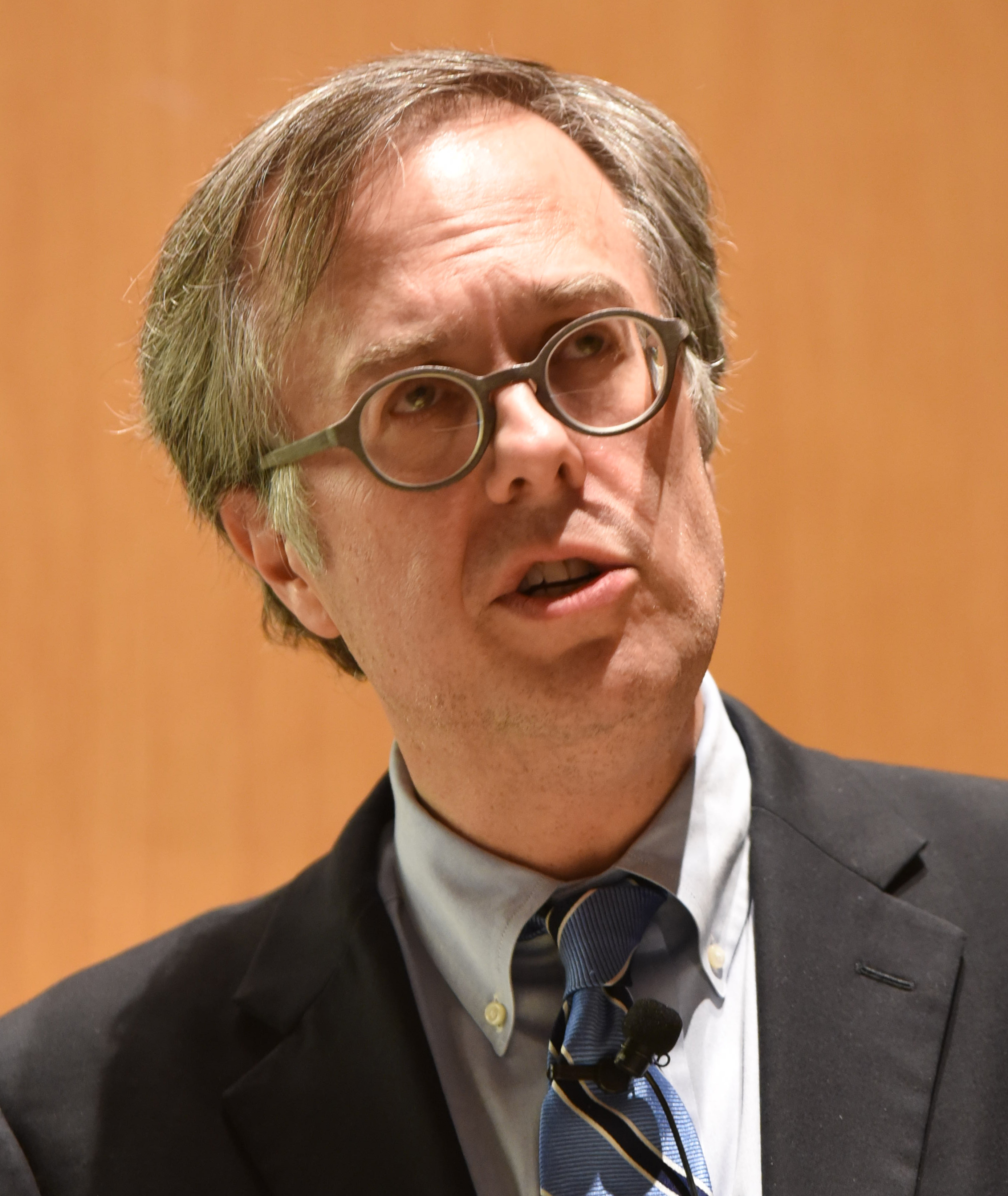 Michael Gerson
But what is the critique from both Donald Trump and Bernie Sanders? That America is overcommitted, especially in the Middle East. Trump in particular has argued that America is a pathetic debtor country that must get its own house in order before engaging in nation-building.
This has hardly been Obama’s temptation. His motivation being what? A determination to be the anti-Bush? Serial indecision? The pivot to Asia? For whatever reason, Obama has consistently filed action in Syria under the category of “stupid stuff,” often overruling the more forward-leaning views of his senior foreign policy advisers (including Secretary of State Hillary Clinton). Tamara Cofman Wittes of the Brookings Institution recently testified before the Senate Foreign Relations Committee that “incremental steps over the last four years to shape both the battlefield and the context for diplomacy” have been “too little and too late to alter the conflict’s fundamental dynamics.”
What have been those dynamics? The regime of Bashar Assad, once teetering on the brink of destruction, has been saved by Iranian and Russian military interventions. Early on, jihadist groups in Syria became the most serious, well-equipped opposition to the regime, forcing rivals off the field and raising a long-term terrorist threat. Assad has committed mass atrocities with impunity but seems to have survived so long as he doesn’t use chemical weapons again (though his victims end up just as dead by other methods). To avoid responsibility for this nightmare, the Obama administration has tried to narrow the definition of U.S. interests. What really matters is removing Assad’s chemical weapons. Or the Iranian nuclear agreement. Or killing terrorists with drones and special operations. Anything else is, according to Obama, “someone else’s civil war.”
If Obama loses sleep over the situation, he gives no public indication. On the contrary, he often congratulates himself on the coolness and realism of his judgment on Syria (declaring himself “very proud” of his decision not to enforce the chemical weapons “red line”). But this is the kind of thing that Obama will be left explaining for the duration of his post-presidency.
Though negotiations are ongoing, a genuine settlement during Obama’s presidency is unlikely. Peace agreements codify a balance of power; they don’t usually create a new one. Secretary of State John Kerry still tries to huff and puff about a military option. But no one thinks there is a Plan B. No one.
Years of inaction have narrowed American options. Would the U.S. really risk a military confrontation with Russia to enforce a no-fly zone? But any kind of rapprochement with Assad would be both immoral and pointless. He will never have the legitimacy to reunify and rebuild a country he burned to the ground.
The theory – practiced by Obama and endorsed by Trump – that the Syrian conflict will somehow burn itself out has been a security debacle and a humanitarian catastrophe. When America refuses to play an active role, the natural result is a regional Shia/Sunni proxy war, exploited by Iran and Russia to expand their influence and by jihadists to expand their capabilities.
And still, the populists of right and left argue – callously and foolishly – that America does too much.
Washington Post Writers Group