
Monday, November 9, 2026Nov 9

In Kuwait, opposition candidates return to ballot divided

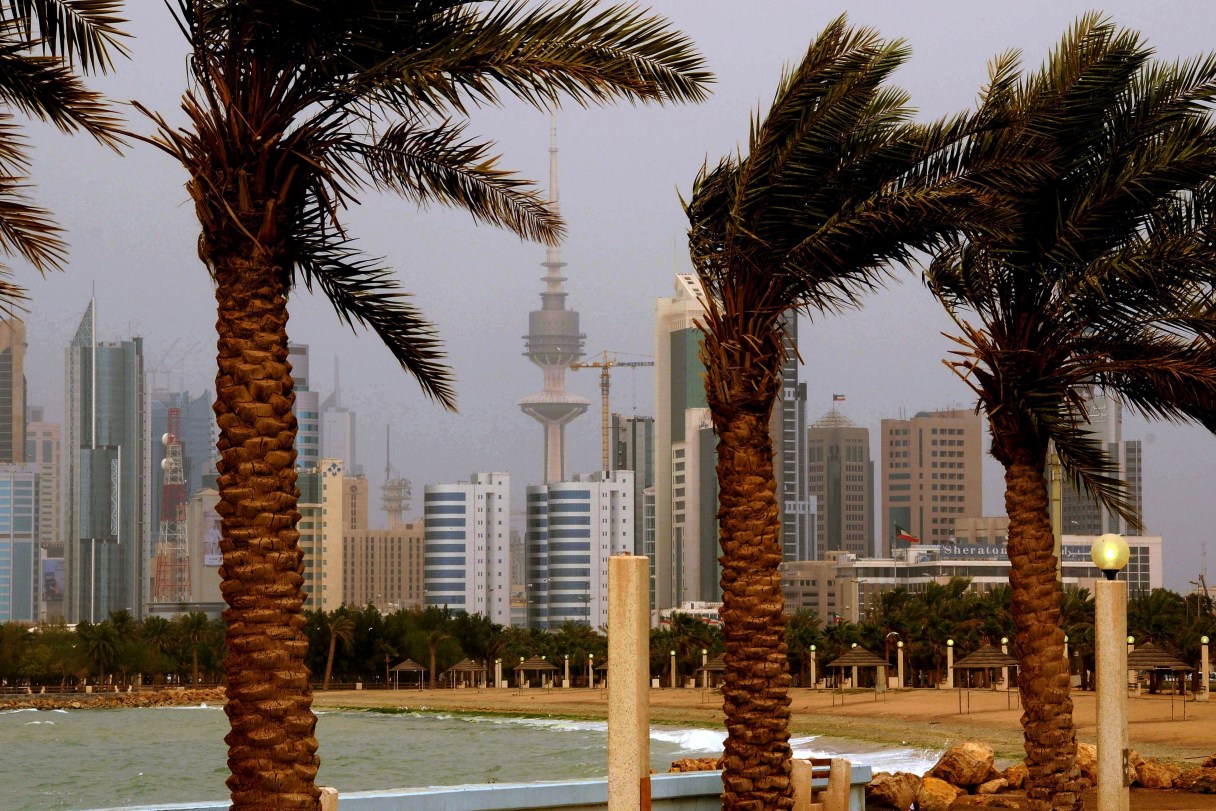
FILE- In this April 16, 2009 file photo, the Kuwait city skyline is seen through the haze of a sand storm in Shuwaikh, Kuwait City. Large parts of Kuwait's opposition will be running in November, 2016's parliamentary election, though their campaigns so far show their disarray. Despite concerns about low oil prices and extremism, many are campaigning on issues not related to Kuwait's serious problems. (AP Photo, File)
FILE- In this April 16, 2009 file photo, the Kuwait city skyline is seen through the haze of a sand storm in Shuwaikh, Kuwait City. Large parts of Kuwait's opposition will be running in November, 2016's parliamentary election, though their campaigns so far show their disarray. Despite concerns about low oil prices and extremism, many are campaigning on issues not related to Kuwait's serious problems. (AP Photo, File) FILE- In this April 16, 2009 file photo, the Kuwait city skyline is seen through the haze of a sand storm in Shuwaikh, Kuwait City. Large parts of Kuwait's opposition will be running in November, 2016's parliamentary election, though their campaigns so far show their disarray. Despite concerns about low oil prices and extremism, many are campaigning on issues not related to Kuwait's serious problems. (AP Photo, File)

KUWAIT CITY (AP) – Kuwait’s upcoming election will give the tiny emirate a chance to elect new representatives to what is arguably the Gulf’s most powerful legislature, as the country is squeezed by low oil prices and fearful of extremist attacks.

But what does one prominent candidate think ranks among the greatest dangers facing this OPEC nation? Cross-fit.

“Competing athletes play in a mixed environment, with foreign and even some Kuwaiti women wearing indecent clothes, like sports bras, in a public and mixed environment,” railed Waleed al-Tabtabaie, a prominent opposition figure. “This is shameful and unacceptable.”

Al-Tabtabaie’s comments and those of others show how splintered Kuwait’s opposition is despite many now saying they’ll take part in the Nov. 26 poll after boycotting the last election, which followed tumultuous Arab Spring protests.

Since parliament dissolved in late October, 454 hopefuls have registered to run for Kuwait’s 50-seat parliament. Lawmakers on paper have four-year terms, though most parliaments are dissolved early in Kuwait.