
Thursday, November 12, 2026Nov 12

APNewsBreak: Engineer in crash had undiagnosed sleep apnea

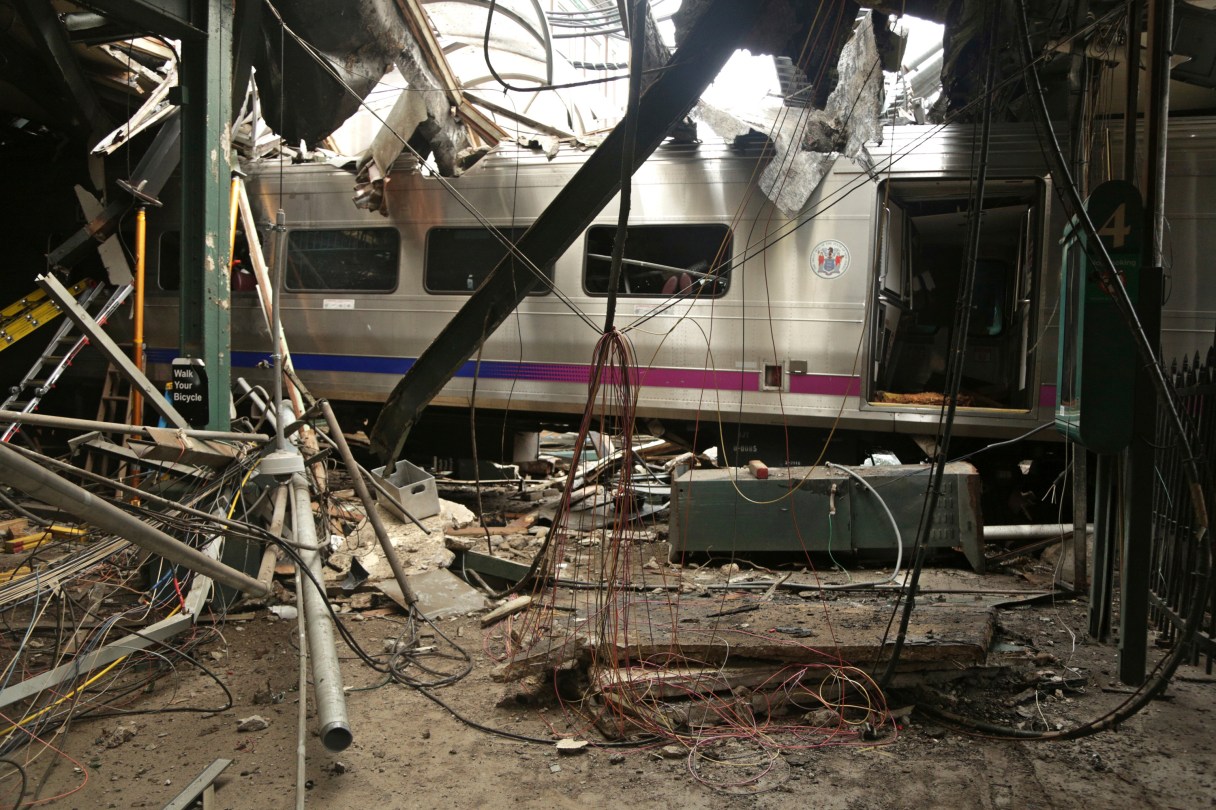
FILE – This Oct. 1, 2016, file photo provided by the National Transportation Safety Board shows damage from a Sept. 29, 2016, commuter train crash that killed a woman and injured more than 100 people at the Hoboken Terminal in Hoboken, N.J. Thomas Gallagher, the engineer of the commuter train that slammed into the station going double the 10 mph speed limit, suffered from sleep apnea that had gone undiagnosed, two U.S. officials told The Associated Press on Wednesday, Nov. 16, 2016. (Chris O'Neil/National Transportation Safety Board via AP, File)
FILE – This Oct. 1, 2016, file photo provided by the National Transportation Safety Board shows damage from a Sept. 29, 2016, commuter train crash that killed a woman and injured more than 100 people at the Hoboken Terminal in Hoboken, N.J. Thomas Gallagher, the engineer of the commuter train that slammed into the station going double the 10 mph speed limit, suffered from sleep apnea that had gone undiagnosed, two U.S. officials told The Associated Press on Wednesday, Nov. 16, 2016. (Chris O'Neil/National Transportation Safety Board via AP, File) FILE – This Oct. 1, 2016, file photo provided by the National Transportation Safety Board shows damage from a Sept. 29, 2016, commuter train crash that killed a woman and injured more than 100 people at the Hoboken Terminal in Hoboken, N.J. Thomas Gallagher, the engineer of the commuter train that slammed into the station going double the 10 mph speed limit, suffered from sleep apnea that had gone undiagnosed, two U.S. officials told The Associated Press on Wednesday, Nov. 16, 2016. (Chris O'Neil/National Transportation Safety Board via AP, File)

The engineer of a commuter train that slammed into a station going double the 10 mph speed limit, killing a woman, suffered from sleep apnea that had gone undiagnosed, two U.S. officials told The Associated Press on Wednesday.

One official said investigators are looking at it as a potential cause.

The officials, who were briefed on the investigation, spoke to The Associated Press on the condition of anonymity because they weren’t authorized to discuss the matter.

They said the engineer, 48-year-old Thomas Gallagher, was diagnosed with sleep apnea after the Sept. 29 crash in Hoboken, the officials said.

Sleep apnea robs its victims of rest because they are repeatedly awakened as their airway closes and their breathing stops, leading to dangerous daytime drowsiness.