

I was at a dinner party last month with four other couples. The hosts had just celebrated their 34th anniversary and, in a nod to their matrimonial longevity, they asked each of us to answer the following: What important question did you not ask your spouse before you got married?
The answers ran from the surprising to the obscure.
“Do you want children?”
“Are you willing to travel?”
“What does a poet actually do?”
When my husband’s turn came around, he didn’t even need to think about it. The important question he did not ask me?
“Will you always be like this?”
I laughed, of course. You have to when you’re in the company of four other couples, one of whom you’ve only just met, and a five-course Mediterranean-themed meal, which opens with Turkish Bride Soup, is waiting.
And there was no reason not to laugh, really. My husband isn’t passive-aggressive, and everyone but the new couple knew what he was referring to: my propensity for neuroticism and a slight issue with control.
But later, after the Bride Soup and the moussaka and the kazandibi (burned milk-bottom pudding) and the pomegranate cocktails were just a pleasant memory, I started to think more deeply about my husband’s answer. And I realized there was much more to it than I’d initially thought.
My husband and I met when we were in our late twenties. It was a time of turmoil and indecision, as it is for most people in their twenties. My father had just died. I was struggling with the remnants of an eating disorder. I was living far out in the country on a horse farm in a house trailer whose floorboards were actively rotting. There were three large dogs and also a nation of mice living in my kitchen cabinets.
I also was a two pack-a-day smoker and a frequent insomniac who wasted perfectly good wee hours penning exquisitely well-composed grievances only my journal would see. The picture of joy I was not.
Will you always be like this? could have meant anything. Would I always insist on living far from populated centers in scary houses with lawsuits waiting to happen? Would I always condemn my own reflection in the mirror?
Would I always have multiple dogs, including one who went after acquaintances and strangers with equal ferocity? Would I eschew good reading light? Would I pretend rodents were our friends?
Would I always be a follower rather than a leader, always burn the rice, always buy the cheap trash bags, always hate my job, always feel ashamed at how little I knew about history and politics and astronomy and Fashion Week? Would I always pretend I could sing?
But in the days following the party, an interesting thing happened: I continued to think about my husband’s One Question. And the longer I thought about it, the broader I saw it was.
Because the fact is, along with not being passive-aggressive, my husband is also not a masochist. He did not marry me for my reclusiveness, my prickliness, my discontent or the political black hole that was my brain at the time. He was aware of those things, yes. But he married me for all the positive qualities he saw in me.
Will you always be like this, I realized, could also have been a question of anticipation and optimism, of faith in the other people my husband knew me to be, even if I could not see those people in myself yet.
What he might have wanted to know was: Would I always have my own committed ideas about the meaning of home? Would I always be a champion for dogs, even the ill-mannered ones? Would I always take pride in my appearance, respect my own need for solitude, see the poetic in the wee hours? Would I always have faith in the written word, whether I used it for comfort or for art?
Would I always watch my finances? Would I continue to try new recipes despite my propensity for putting a pot on to boil and then going for a long walk? Would I pay attention to the things I hated to do and respect myself enough to stop doing those things, to find other avenues of enjoyment and employment?
Would I always be like I was in my twenties? No. And yes. And hopefully. And hopefully not. And inevitably.
I am exactly who I was, and yet I am nowhere near the same. What is most clear now, however, 28 years after “we” became “us,” is that my husband committed to who I was then and to whomever I might become.
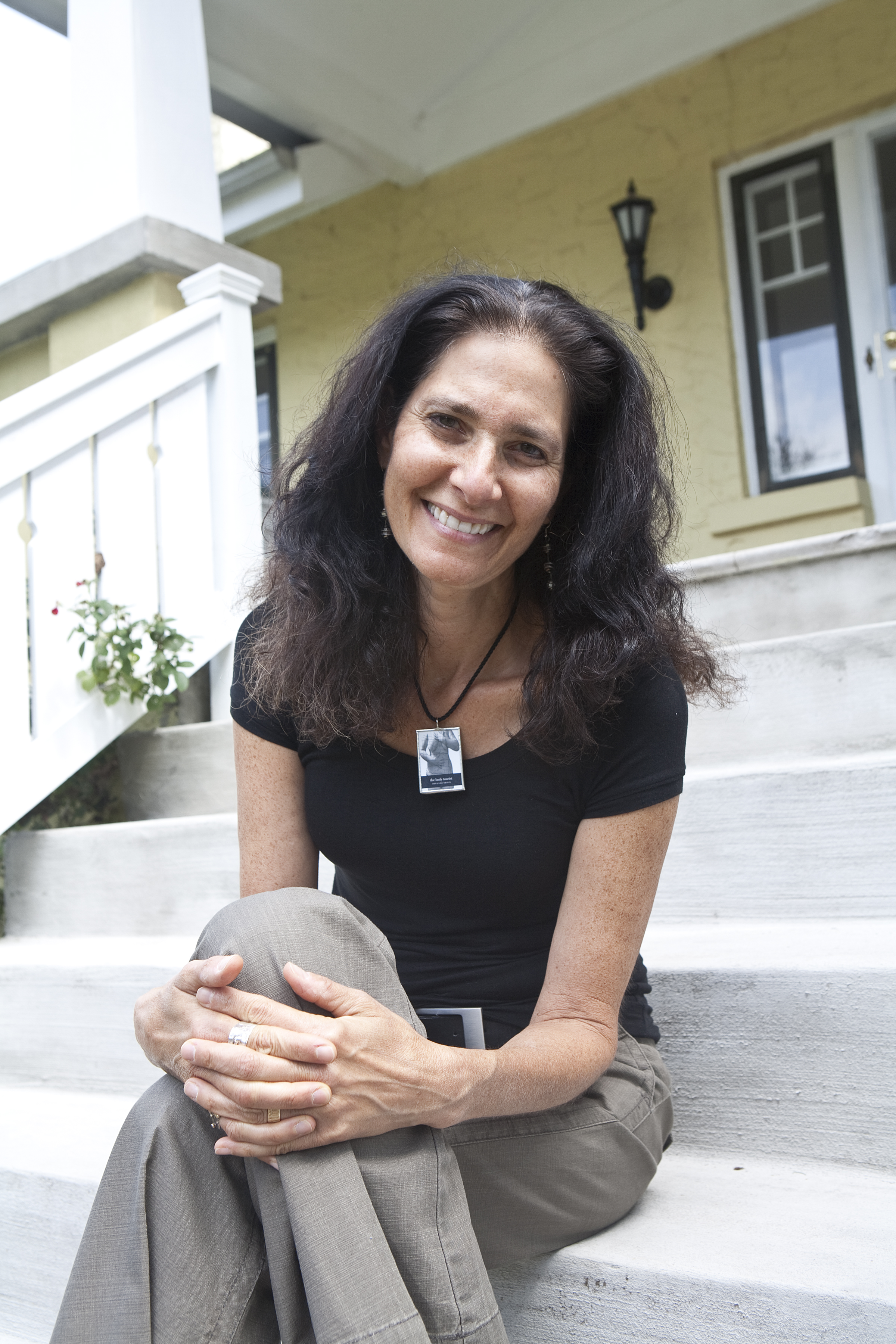
Dana Shavin’s memoir, “The Body Tourist,” is available at Star Line Books and online wherever books are sold. Email her at Dana@danashavin.com.