
Monday, November 16, 2026Nov 16

OBAMA LEGACY: A quiet mission to export gay rights overseas

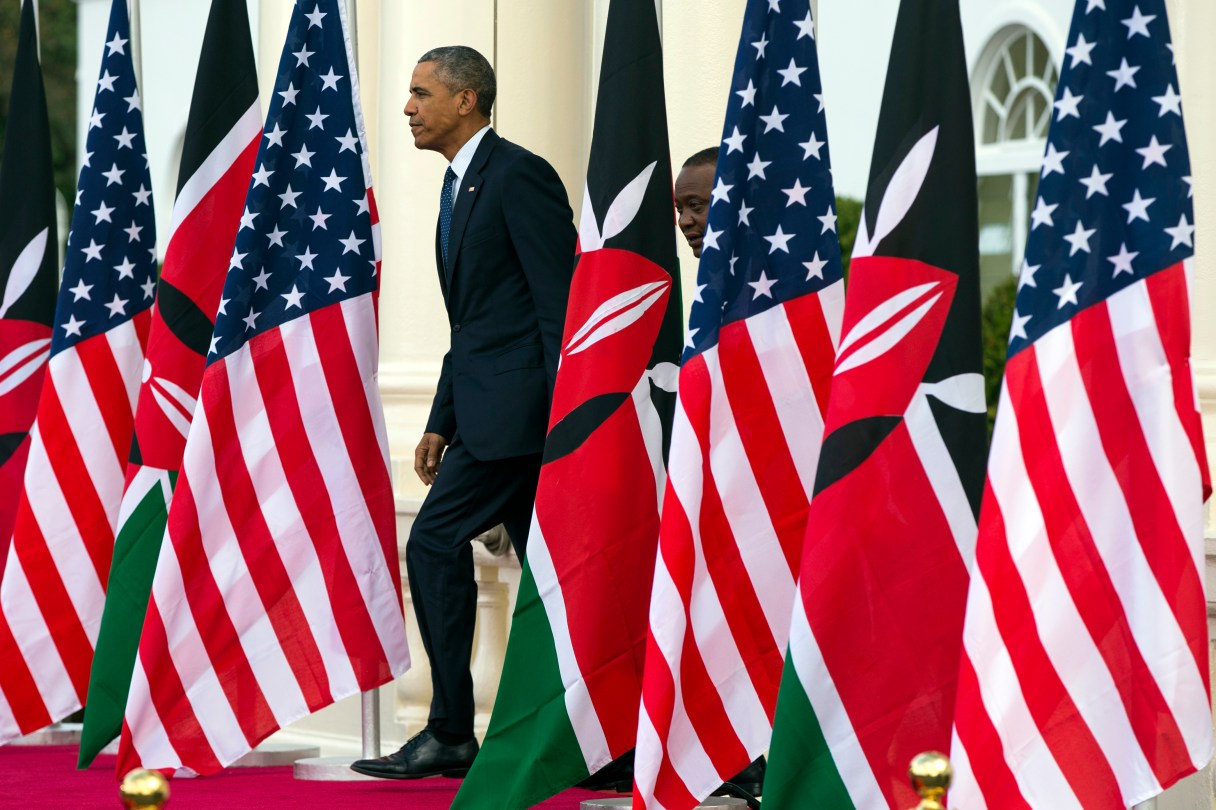
FILE - In this July 25, 2015 file photo, President Barack Obama and Kenyan President Uhuru Kenyatta arrive for a news conference at State House in Nairobi, Kenya, where President Obama nudged African nations to treat gays and lesbians equally under the law, a position that remains unpopular through much of the continent. The U.S. has deployed its diplomats and tens of millions of dollars to try to block anti-gay laws, punish countries that enacted them, and tie U.S. assistance to respect for LGBT rights, animated in part by former Secretary of State Hillary Clinton’s declaration that “gay rights are human rights.” (AP Photo/Evan Vucci, File)

WASHINGTON (AP) – While the world was watching America’s gay rights transformation, the Obama administration was pursuing a quieter mission to export the same freedoms overseas to places like sub-Saharan Africa, Latin America and eastern Europe.

The U.S. has deployed its diplomats and spent tens of millions of dollars to try to block anti-gay laws, punish countries that enacted them, and tie financial assistance to respect for LGBT rights. It was a mission animated in part by former Secretary of State Hillary Clinton’s declaration that “gay rights are human rights.”

Yet the U.S. encountered occasional backlash, including from some rights groups that said public pressure by the West made things worse.

“I walked into a very backward environment in 2009,” said Susan Rice, President Barack Obama’s national security adviser and former U.N. ambassador. In an Associated Press interview, Rice said both the U.N. and U.S. had avoided taking on the issue.

She argued that despite a cascade of pressing global crises, the White House had tried to “deal with the urgent and deal with the important, and even if the important is, some might say, optional, it’s important.”