
GENEVA (AP) – The U.N. health agency is changing its advice to travelers returning from areas facing a Zika virus outbreak, saying both men and women should now practice safe sex or abstinence for six months.
The World Health Organization’s guidance applies to all travelers, whether or not they show symptoms of the virus.
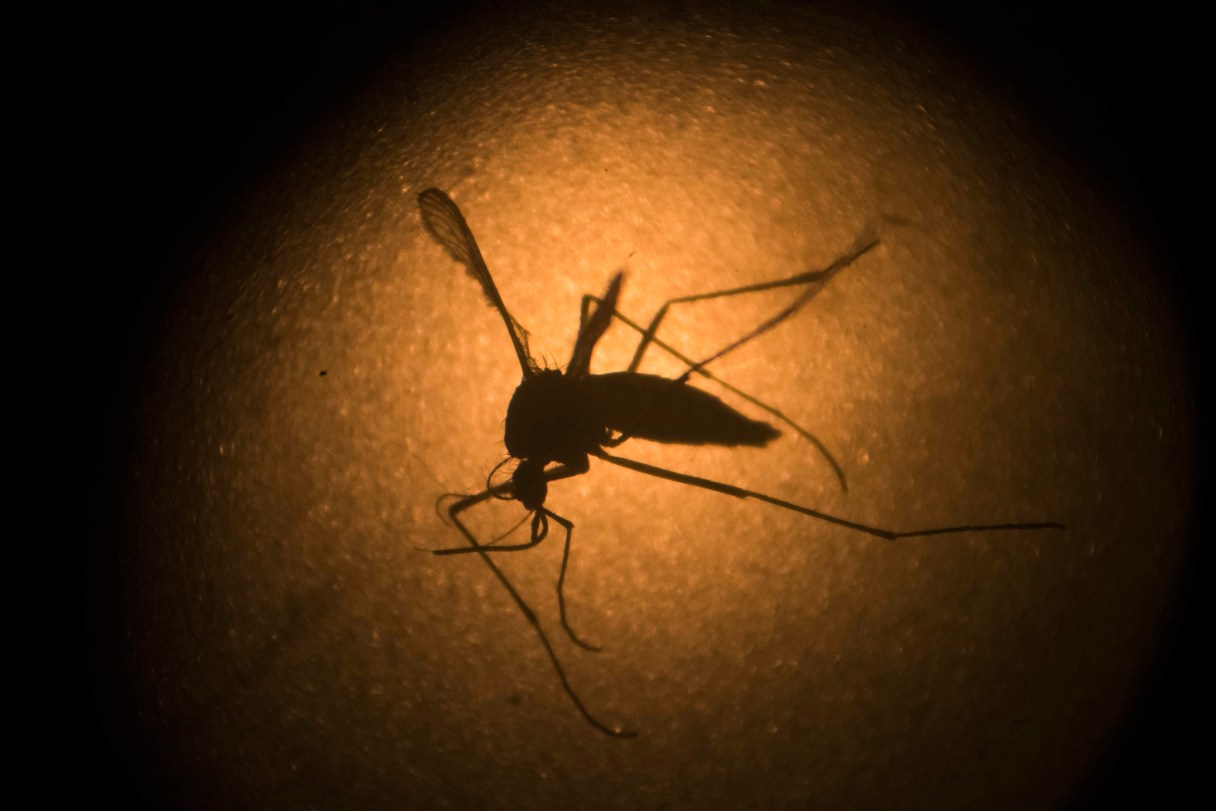
The organization’s previous guidance in early June was for only men without symptoms to use condoms or abstain from sex for eight weeks after returning from areas with epidemics. The disease is mostly transmitted by mosquitoes but can also be spread via sex.
Officials had previously tracked cases of men spreading Zika through sex and in July, American scientists reported the first case of a woman infecting a male partner via sex.
The U.S. Centers for Disease Control and Prevention recommends that men and women should consider using condoms or not having sex for at least eight weeks after returning from a Zika-hit country, if they have shown no symptoms of the disease. The agency said it is currently reviewing the latest scientific information on Zika and may update its guidance later.