
WASHINGTON (AP) – The nation’s progress in getting more people covered by health insurance slowed significantly this year, the government confirmed Wednesday in a report that tempers a historic achievement of the Obama administration.
About 1.3 million fewer people were uninsured the first three months of this year, driving the uninsured rate to a new record low of 8.6 percent, according to the National Health Interview Survey, an ongoing project of the Centers for Disease Control and Prevention.
Still, that progress is a fraction of the earlier gains seen under President Barack Obama’s health care law. When the law’s big expansion got underway in 2014, the number of uninsured people went down by nearly 9 million.
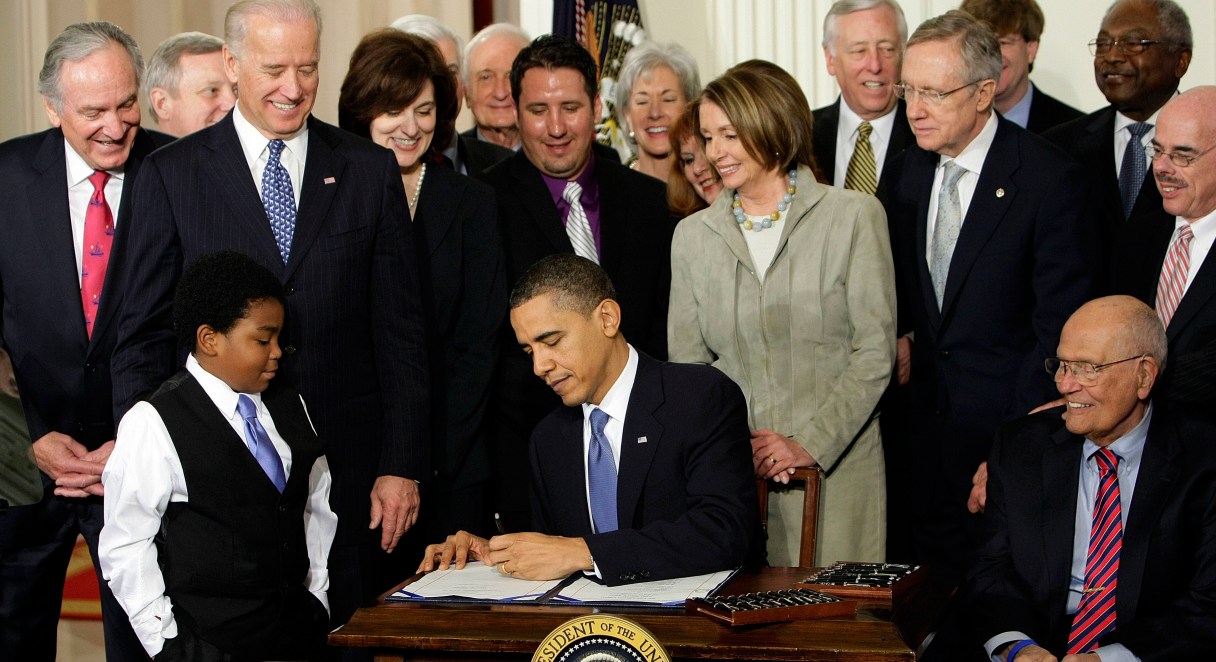
The uninsured rate has been cut by nearly half under Obama’s law, but that hasn’t been enough to overcome political divisions. The survey estimated that 27.3 million people remained uninsured in the first three months of this year, about 21 million fewer than in 2010, when Obama signed the Affordable Care Act.
The law offers subsidized private insurance for people everywhere who don’t have access to job-based coverage, along with a Medicaid expansion geared to low-income adults in states that opt for it. Although a growing economy should also be contributing to coverage gains, experts say the law deserves most of the credit.