
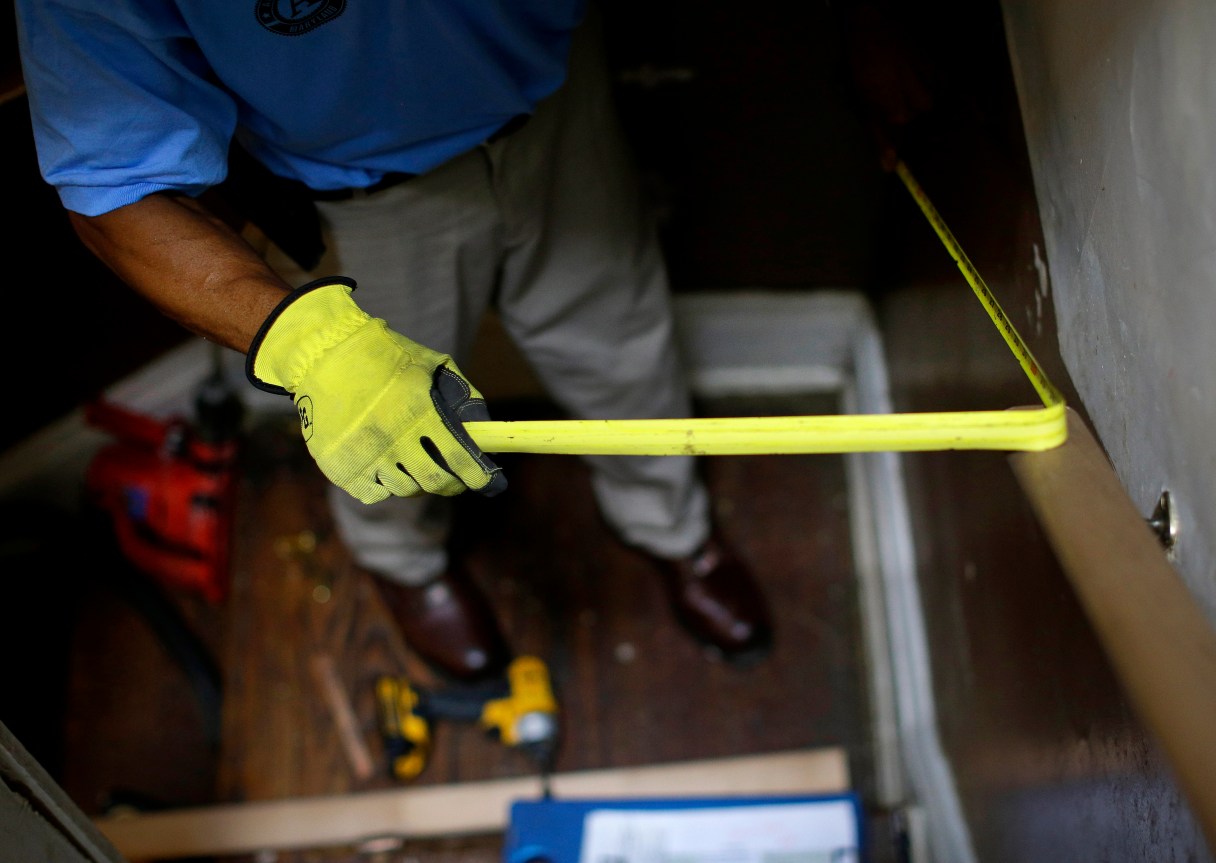
WASHINGTON (AP) – Where you live plays a big role in staying independent as you age. Now researchers say an innovative program that combined home fix-ups and visits from occupational therapists and nurses improved low-income seniors’ ability to care for themselves in their own homes.
Still to be answered is whether that better daily functioning also saves taxpayer dollars – by helping enough older adults with chronic health problems avoid costly hospital or nursing home stays.
“We’re improving people’s lives, improving their abilities,” said Sarah Szanton, a Johns Hopkins University associate nursing professor who leads the experimental program reported Wednesday in the journal Health Affairs.
Surveys show most older adults want to live at home for as long as possible. Yet chronic diseases and their resulting disabilities – problems walking, bathing, dressing, cooking – can make that difficult in homes with steep stairs, doorways too narrow for walkers, and other obstacles.
And seniors who have trouble with those so-called activities of daily living are costly for Medicare and Medicaid, too often ending up in hospitals or nursing homes because they couldn’t care for themselves at home, or had a bad fall while trying.