
Monday, November 16, 2026Nov 16

Facebook apologizes for removing ‘napalm girl’ photo

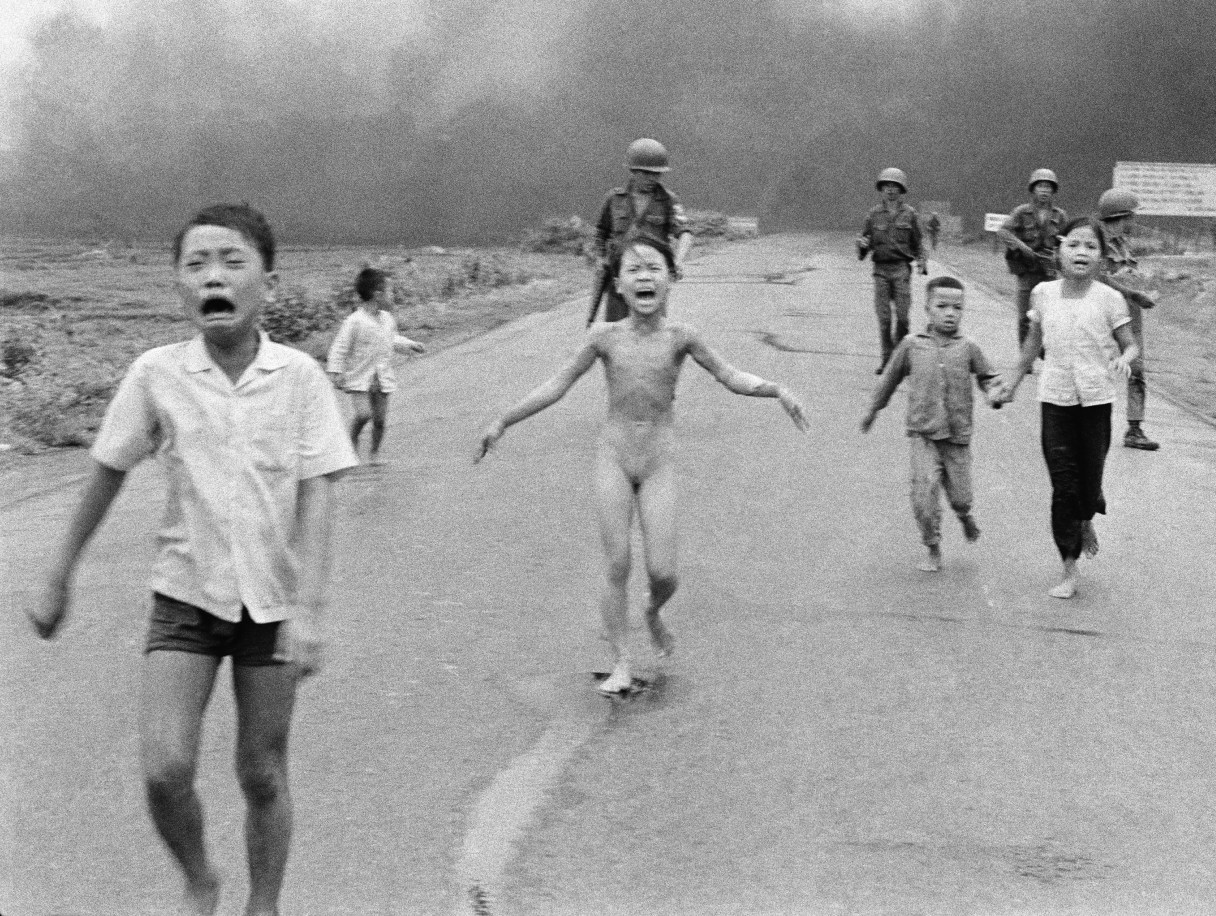
FILE - This is a  June 8, 1972 file photo of South Vietnamese forces follow after terrified children, including 9-year-old Kim Phuc, center, as they run down Route 1 near Trang Bang after an aerial napalm attack on suspected Viet Cong hiding places . Norway's Prime Minister Erna Solberg ?on Friday Sept. 9, 2016  challenged Facebook’s restrictions on nude photos by posting an iconic 1972 image of a naked girl running from an aerial napalm attack in Vietnam.  The Pulitzer Prize-winning image by Associated Press photographer Nick Ut is at the center of a heated debate about freedom of speech in Norway after Facebook deleted it from a Norwegian author’s page last month.  (AP Photo/Nick Ut, File)
FILE - This is a June 8, 1972 file photo of South Vietnamese forces follow after terrified children, including 9-year-old Kim Phuc, center, as they run down Route 1 near Trang Bang after an aerial napalm attack on suspected Viet Cong hiding places . Norway's Prime Minister Erna Solberg ?on Friday Sept. 9, 2016 challenged Facebook’s restrictions on nude photos by posting an iconic 1972 image of a naked girl running from an aerial napalm attack in Vietnam. The Pulitzer Prize-winning image by Associated Press photographer Nick Ut is at the center of a heated debate about freedom of speech in Norway after Facebook deleted it from a Norwegian author’s page last month. (AP Photo/Nick Ut, File)

HELSINKI (AP) – Facebook’s chief operating officer has apologized to Norwegian Prime Minister Erna Solberg for deleting a photograph from its pages and conceded that “we don’t always get it right.”

Sheryl Sandberg said in a letter to Solberg that she’d raised important issues about Facebook’s decision to remove postings of an iconic 1972 image of a naked, screaming girl running from a napalm attack in Vietnam. On Friday, following protests in Norway the tech giant reversed its decision and allowed the photo “Terror of War” to be seen on its pages.

In a letter dated Oct. 10, Sandberg conceded that historical importance “sometimes … outweighs the importance of keeping nudity off Facebook,” after Solberg had reposted the 1972 image and other iconic photos with black boxes covering parts of the images.