
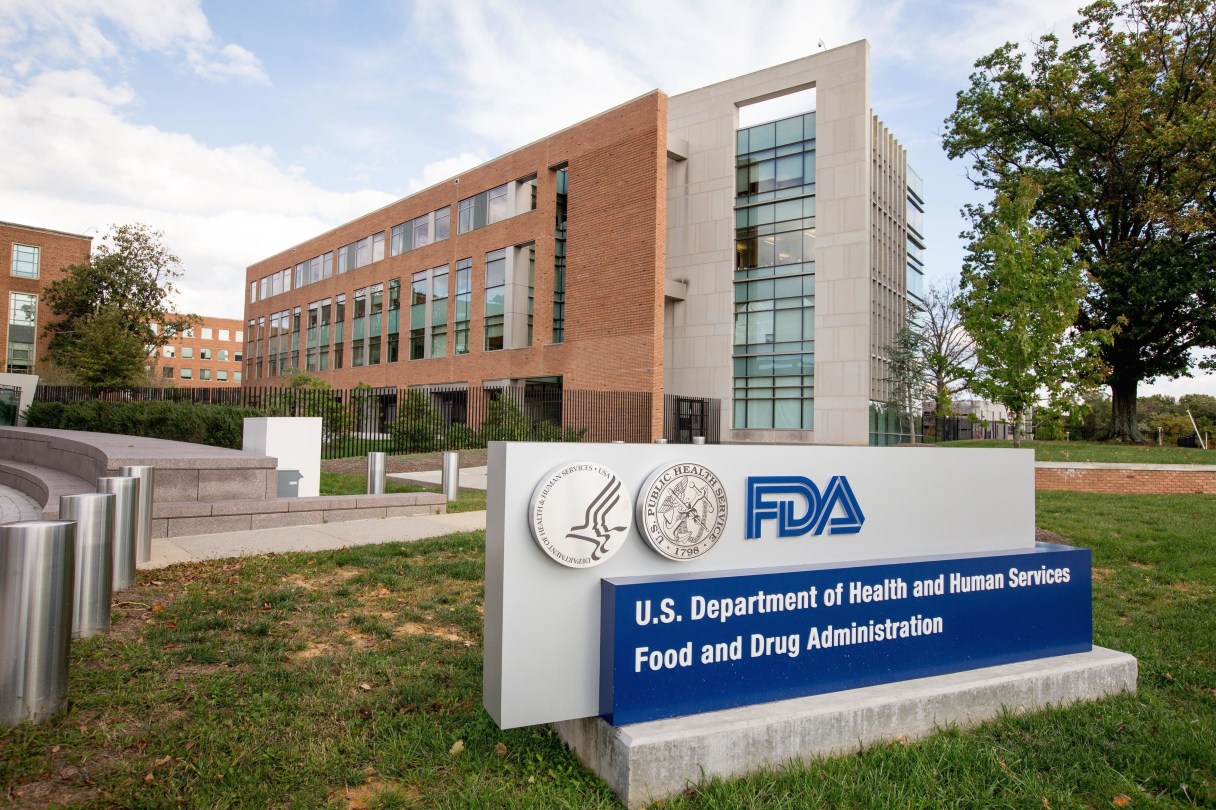
WASHINGTON (AP) – Federal regulators on Monday granted tentative approval to the first drug for muscular dystrophy, following an intense public campaign from patients and doctors who pushed for the largely unproven medication.
The approval comes nearly five months after the Food and Drug Administration and a panel of outside advisers panned the drug, saying there was little evidence that it helped. But regulators faced a public backlash from patients’ families, politicians and physicians.
The FDA cleared Sarepta Therapeutics’ Exondys 51 for a rare form of Duchenne muscular dystrophy, a deadly inherited disease that affects boys. It’s the first FDA approval for the degenerative condition, which causes muscle weakness, loss of movement and eventually death.
The approval was based on a company study of just 12 boys. The agency is requiring Sarepta to conduct a larger study examining whether Exondys 51 results in improved movement and function for patients. If the study fails to shows it helps, the FDA said it could withdraw the drug.
Duchenne’s muscular dystrophy is a rare disease, affecting about 1 of every 3,600 boys worldwide and usually causing death by age 25, according to the National Institutes of Health.