
Monday, November 16, 2026Nov 16

A look at the NY bomb investigation and FBI terror probes

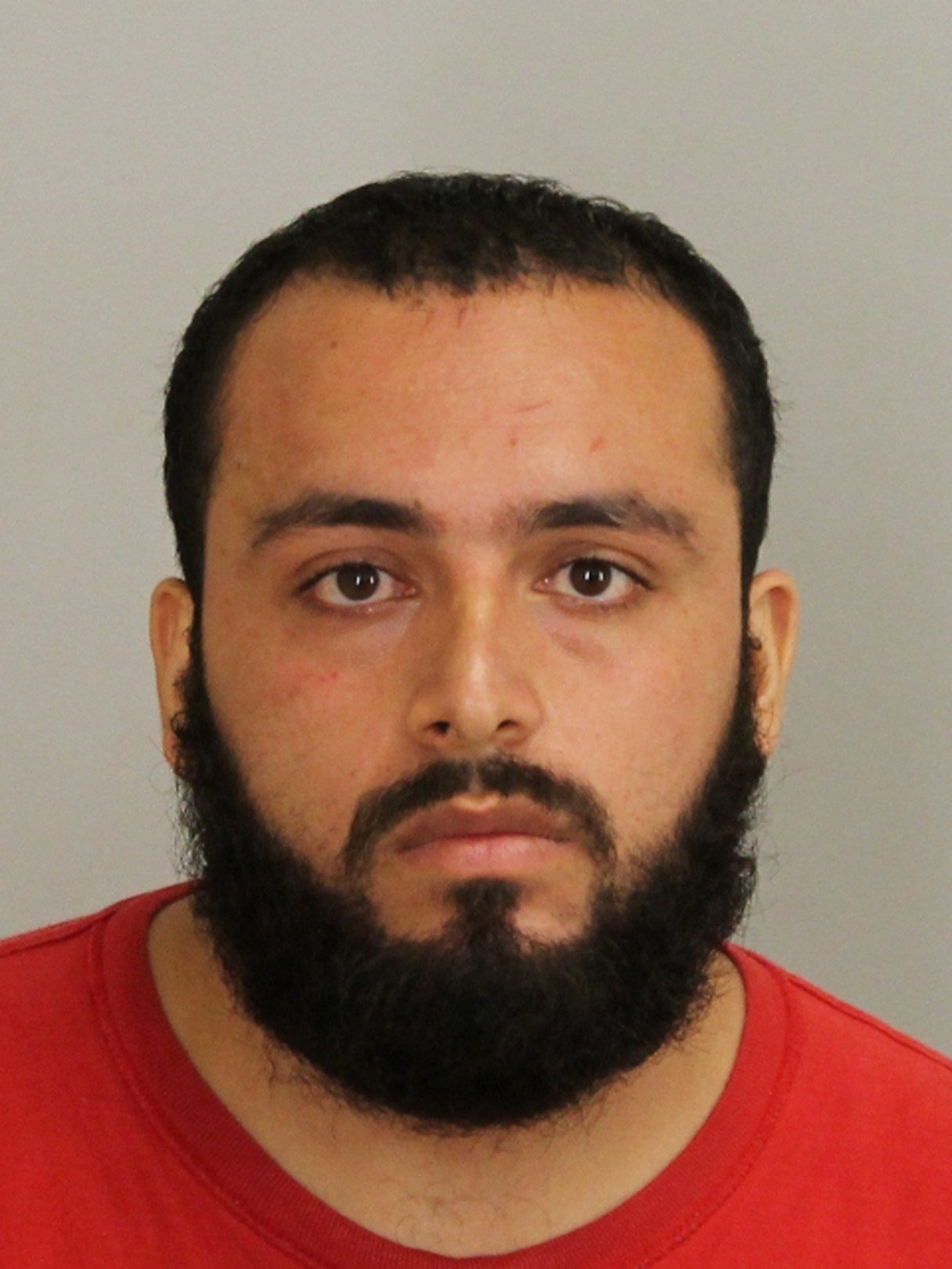
FILE - This September 2016 file photo provided by Union County Prosecutor's Office shows Ahmad Khan Rahami, who is in custody as a suspect in the weekend bombings in New York and New Jersey. The man accused in the Manhattan bombing was flagged for an interview with customs officials after returning from an overseas trip, was accused two years ago of stabbing his brother and had once been angrily described as a terrorist by his own father. But none of that was enough to keep Ahmad Khan Rahami for long on the FBI’s radar _ and it’s not at all clear it should have been. A look at the challenges involved in counterterrorism investigations. (Union County Prosecutor's Office via AP, File)

WASHINGTON (AP) – The man accused in the Manhattan bombing was flagged for an interview with Customs officials after returning from an overseas trip, accused two years ago of stabbing his brother, and had once been angrily described by his father as a terrorist.

But none of that was enough to keep Ahmad Khan Rahami on the FBI’s radar for long – and it’s not clear it should have been.

The case illustrates the difficulties investigators face in identifying and stopping individuals who might be violent extremists. Constitutional protections permit people to hold abhorrent views – and even view jihadist videos – without automatically coming under investigation. Finite resources mean that more intrusive investigative tactics, such as round-the-clock surveillance, are generally reserved for those thought to be conceiving an attack. And preliminary FBI inquiries like the one conducted in Rahami’s case are, by design, not meant to be open-ended.

Some questions and answers about the investigation into Rahami and how the FBI conducts terrorism investigations.

Q. HOW DID RAHAMI FIRST BECOME KNOWN TO THE FBI?