
Friday, November 13, 2026Nov 13

Governor signs bill targeting ‘doctor-shopping’ for opioids

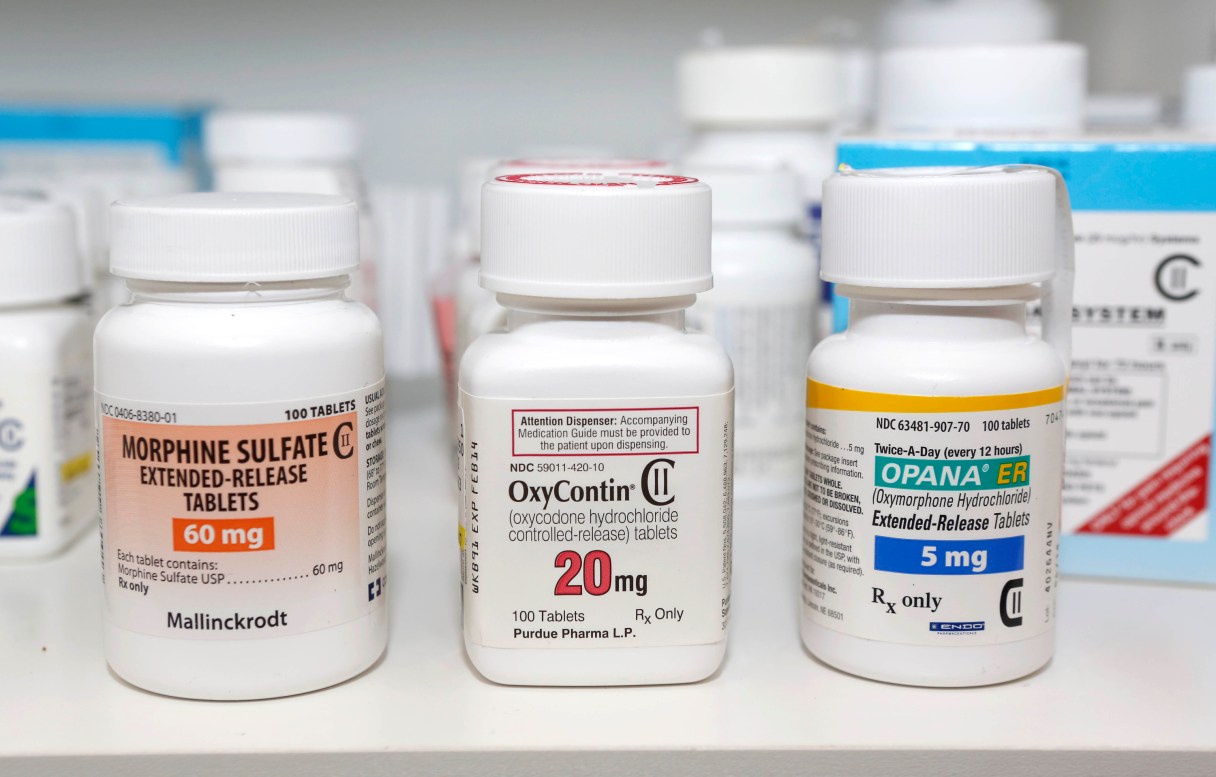
FILE - In this Jan. 18, 2013 file photo, Schedule 2 narcotics: Morphine Sulfate, OxyContin and Opana are displayed for a photograph in Carmichael, Calif. California doctors will be required to check a database of prescription narcotics before writing scripts for addictive drugs under legislation Gov. Jerry Brown signed Tuesday, Sept. 27, 2016, that aims to address the scourge of opioid abuse. (AP Photo/Rich Pedroncelli, File)
FILE - In this Jan. 18, 2013 file photo, Schedule 2 narcotics: Morphine Sulfate, OxyContin and Opana are displayed for a photograph in Carmichael, Calif. California doctors will be required to check a database of prescription narcotics before writing scripts for addictive drugs under legislation Gov. Jerry Brown signed Tuesday, Sept. 27, 2016, that aims to address the scourge of opioid abuse. (AP Photo/Rich Pedroncelli, File) FILE - In this Jan. 18, 2013 file photo, Schedule 2 narcotics: Morphine Sulfate, OxyContin and Opana are displayed for a photograph in Carmichael, Calif. California doctors will be required to check a database of prescription narcotics before writing scripts for addictive drugs under legislation Gov. Jerry Brown signed Tuesday, Sept. 27, 2016, that aims to address the scourge of opioid abuse. (AP Photo/Rich Pedroncelli, File)

SACRAMENTO, Calif. (AP) – California doctors will be required to check a database of prescription narcotics before writing scripts for addictive drugs under legislation Gov. Jerry Brown signed Tuesday that aims to address the scourge of opioid abuse.

The measure attempts to crack down on a practice known as “doctor-shopping,” in which addicts visit multiple providers to obtain prescriptions for addictive drugs. The action by the Democratic governor comes amid an intensifying national focus on the problems that stem from prescription and illegal opiates.

The U.S. Centers for Disease Control and Prevention says more than 165,000 people died nationwide from prescription opioid overdoses from 1999 to 2014, including 4,500 Californians who died in the last year of available data.

California has maintained records of prescription histories by various means since 1939. The electronic database that exists today is an optional tool for physicians, dentists, nurse practitioners and others who write prescriptions.

For 20 years, doctors’ influential lobby thwarted efforts to mandate that California prescribers review patients’ narcotic prescription histories, housed in the nation’s first drug-monitoring program.