
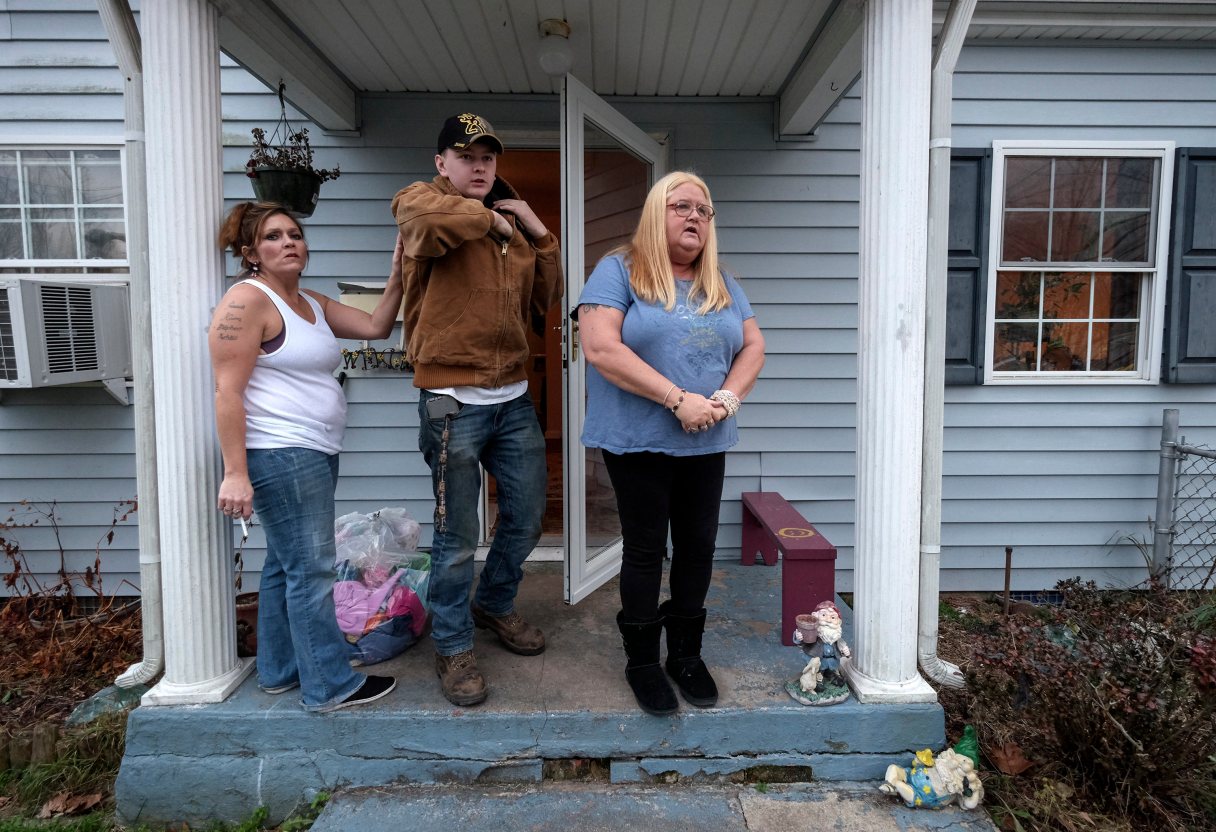
CHARLESTON, W.Va. (AP) – When Belinda Crookshanks’ son and daughter-in-law died of drug overdoses on the same day in April 2015 at age 35, her grief was compounded by a stark financial fact: Despite the family’s limited resources, the state’s indigent burial fund wasn’t going to help pay to bury them.
In another part of West Virginia that month, Carol Nay said goodbye to her 36-year-old son, another overdose victim. Nay couldn’t afford the funeral, either, and she said the funeral home never mentioned the state indigent burial program. Its budget had been depleted a month before.
Dying comes at a huge cost for some West Virginia families, particularly in late winter and spring. In a trend some funeral directors blame on the opioid epidemic, for at least the fifth straight year, West Virginia’s indigent burial program has run out of money months ahead of the end of the fiscal year, according to the state Department of Health and Human Resources, the fund’s administrator.
The drug blight has ravaged the entire Appalachian region. West Virginia has the nation’s highest drug overdose death rate by far, with 41.5 deaths per 100,000 people, compared with a national average of 16.3.
West Virginia’s DHHR has paid for more than 10,000 indigent burials since 2011. The state allocated about $2 million for indigent burials this year.