

People don't understand. Its not easy to get out of the situation. You don't know how to get out. You don't know who to trust. You don't know how to trust.
NATIONAL STATISTICS
• Three women a day die due to domestic violence.• Each year, more than 10 million women and men are abused by a partner.• One in four women and one in seven men have been a victim of severe violence by a partner.WHAT TO DO: If you suspect someone you love is in a domestic violence situation, never force them to leave. Always provide support and leave the number for the national domestic violence hotline: 1-800-799-7233.For more information, visit thehotline.org.
The My Fair Lady Project
My Fair Lady hopes to expand services to four Chattanooga women per year, while providing ongoing mentorship to previous attendees. Anyone interested in donating time or services to the nonprofit can contact Cindy Wilson at cwilson@chattanoogaface.com.
When Mariana Cremonte picked up the phone to dial 9-1-1, she could hardly find words to explain what had happened to her. When police arrived at her doorstep moments later, she still couldn’t find the words in either English or her native Spanish.
It wasn’t just the mental and physical abuse she’d endured that paralyzed her. She didn’t know if she could trust the officers. She didn’t know if she could trust anyone. But she didn’t have a choice.
“If I didn’t decide to trust them, I knew I might not make it to the end of the night,” she says softly during our interview nearly three years later.
Then her eyes meet mine.
“You need to have nothing to know what nothing really means,” she says of why she remained in a 14-year relationship despite the abuse. “You need to have no self-esteem. You need to be scared. You need to be in survival mode to understand what the situation is.”
***
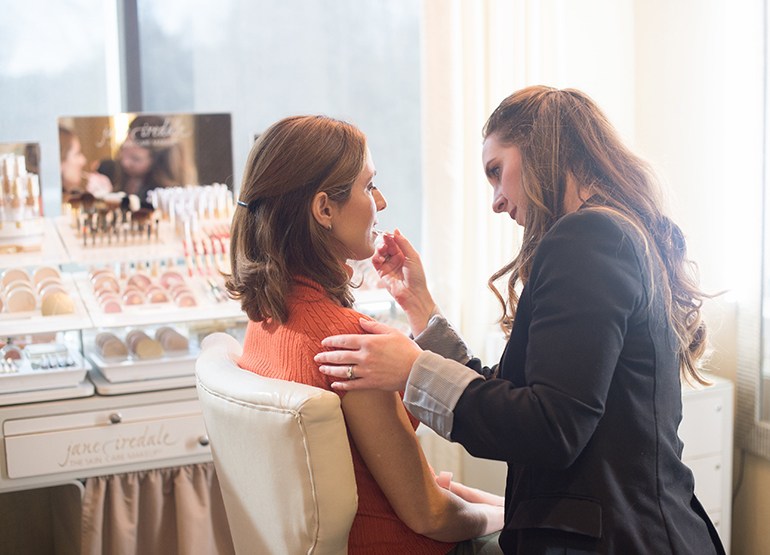
It is stories such as Cremonte’s that inspire Cindy Wilson. Where others see “weakness” in women who’ve endured abusive relationships, she sees the woman’s strength. And she wants to nurture it. Which is why this past winter, Wilson met with Cremonte to provide her own particular brand of encouragement through her nonprofit program My Fair Lady, a project that gives struggling women a makeover that extends far beyond just physical beauty.
Wilson’s concept for the project stems from her experience bringing meals to and volunteering for Chattanooga Room in the Inn, which provides housing and resources to help homeless women and children regain their independence. In 2015, Wilson welcomed her first My Fair Lady participant, a single mother of four. Since then, three other domestic violence survivors, including Cremonte, have participated.
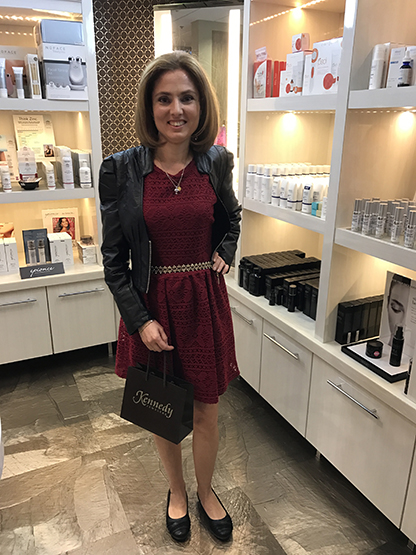
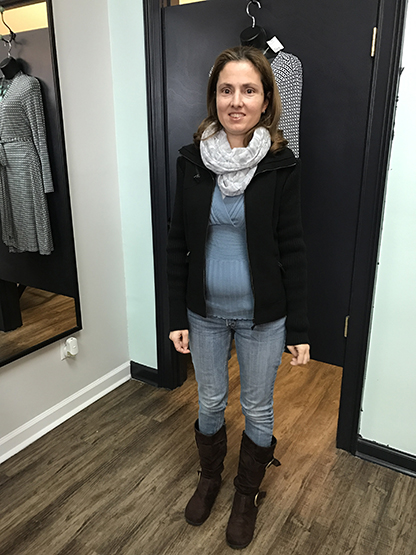
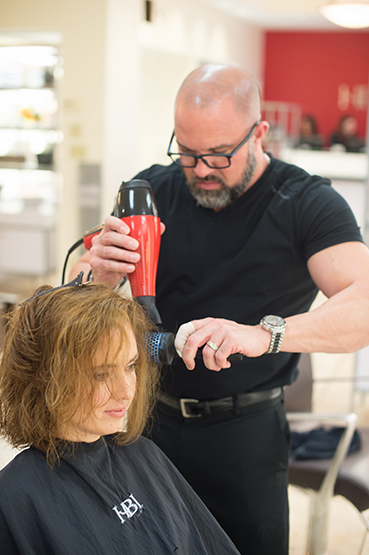
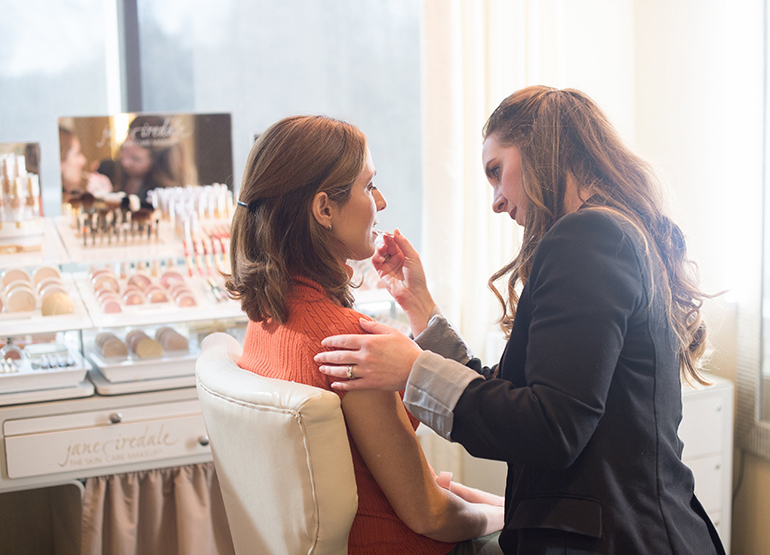
The project aims to offer not just a physical transformation, but an emotional and educational one as well. Participants are nominated by the city’s Partnership Crisis Services, a nonprofit support system and resource center for anyone who wishes to leave a volatile situation. Those recommended for the program are treated to a shopping day with a stylist, followed by a facial and other skin care services. Then comes a makeover with whatever hair and makeup tutorial the woman desires.
Finally, the makeover recipient meets with professionals who volunteer services ranging from financial consultations to higher education advisers and Realtors.
The goal, Wilson says, is to equip the women with a combination of confidence and resources. A nurse practitioner with and director of the Center for Facial Rejuvenation, Wilson has seen these same things give her professional patients a sense of pride.
“I see 20 patients a day, and these are women who can have pretty much whatever they want as far as makeup and spa services,” Wilson says. “They get their hair done regularly, their nails [done] and I see how it changes these women who have every opportunity in the world. I watch their confidence soar when they feel better about how they look. There is such a correlation between looking good and feeling good.”
***
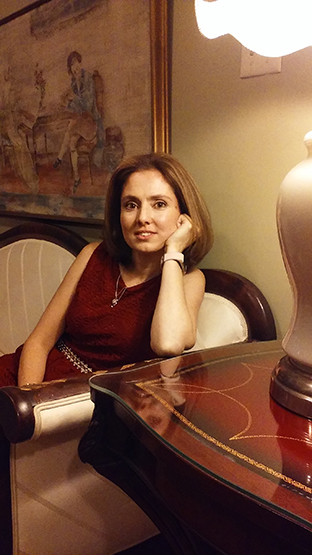
Two and a half years after making the gut-wrenching decision to pick up the phone while her partner was out of the house, Cremonte stands proudly. Her petite 5-foot-nothing frame is complemented by her soft eyes and kind smile. She appears much younger than her 39 years. But behind those eyes, trauma lingers.
Scars of the physical abuse have faded, but the mental toll has taken much longer to overcome.
“Even when you leave the relationship, that doesn’t mean it doesn’t affect you any more. It took me years to get to this point,” she says.
Though Cremonte, an Argentinian native, speaks perfect English now, that was not always the case. The decision to call the police came with the fear that they would not understand her – her English nor her situation. There were her young children, two little boys, to consider. And, alienated in a city to which she had only moved a few months beforehand with her abuser, her situation left her feeling powerless and alone.
It wasn’t a choice that made her call the police that day, she says. It was a lack of one.
“People don’t understand,” she says. “It’s not easy to get out of the situation. You don’t know how to get out. You don’t know who to trust. You don’t know how to trust.”
But since the moment the officers knocked on her door, every step has been a conscious choice to better not only her own life, but the lives of her boys. Both she and the children, now ages 5 and 8, have been in therapy since coming into contact with the Partnership, she says.
“I thought I didn’t have anybody to help me,” she says. “So when you finally find someone and you have the help you need, your kids have the help they need, they can move forward.”
It is easier to talk about the past now than it was that first day, when she willed her mouth to move but could barely force the words out to ask for help.
There was guilt. There was denial. And even with acceptance, confidence has not come easily, she says.
Her transformed outward appearance serves as a reminder to what the woman inside deserves, no matter what the nagging voice of doubt – the one that comes crawling back without warning – tries to tell her otherwise, Cremonte says.
“It’s still ongoing; it doesn’t just change from one day to another,” she says. “But I’m better at being myself. And I hadn’t been for years. But it still takes time.”
Cremonte dreams of owning a home for her and her two boys, and of going to college to become a dietitian. She wants to help others who are in the same situation she suffered through, she says. But mostly, she just wants her boys to be happy.
She doesn’t cry when she talks of her past. But when she speaks of her sons, tears threaten to fall.
Moments of optimism, once few and far between, come more quickly now. There was the day she saw her youngest son’s face light up with joy when he met Santa Claus last Christmas. Or when her 8-year-old comes home excited to show her a good grade from the school he loves. Those are the moments of innocence – the new memories – that Cremonte hopes can define their childhood.
“I don’t want them to remember before,” she says. “The only thing I want is to see them happy. … They deserve the world.”
And the taste of the world Cremonte experienced, born out of two days of compassion and pampering with My Fair Lady, stay with her as a reminder of what she herself can have – just as Wilson and her team hoped.
“I truly believe the line from the Eliza Doolittle movie,” Wilson says of the film for which her nonprofit was named. “The line essentially is that a lady is not a lady because of what she does, but how she is treated. And these women deserve to be loved.”
Cremonte has come a long way to learn to love herself, say her case managers, who are unnamed here for privacy and protection purposes.
Last year, Cremonte obtained her GED. Next, she says, she’s planning for her college education. First, though, she must finish settling her case in court, which she is hopeful will happen this year.
“I just want to be free,” she says. “But I’m already proud, and I know my kids are proud. … They don’t look at me the same way that they used to.”
Others are proud too, her case manager says.
“Mariana has made those decisions herself; she’s empowered herself. We provide resources, but she was the one who made these choices,” her case manager says, choking back tears of her own. “We’ve seen her grow so much. It’s like seeing this beautiful flower, and she’s bloomed so much.”
And with that, Cremonte smiles.