
Friday, November 13, 2026Nov 13

Drove for Uber? Rented out your home? Here are some tax tips

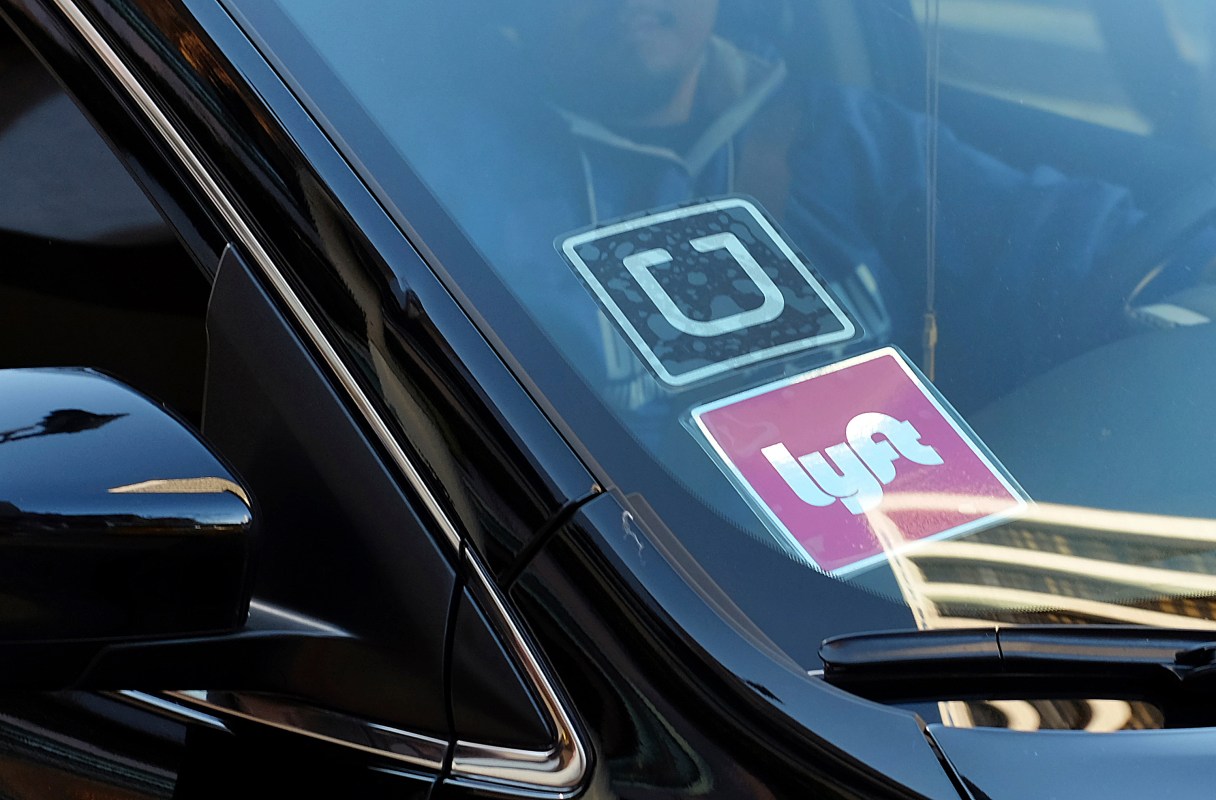
FILE - In this Tuesday, Jan. 12, 2016, file photo, a driver displaying Lyft and Uber stickers on his front windshield drops off a customer in downtown Los Angeles. Driving for Uber or Lyft or renting out your house on Airbnb may sound like a good way to make some extra cash, but don’t forget that you likely need to pay federal taxes on what you earned. And since the IRS considers on-demand workers to be self-employed, it also helps to keep track of expenses that can help reduce your tax bill. (AP Photo/Richard Vogel, File)
FILE - In this Tuesday, Jan. 12, 2016, file photo, a driver displaying Lyft and Uber stickers on his front windshield drops off a customer in downtown Los Angeles. Driving for Uber or Lyft or renting out your house on Airbnb may sound like a good way to make some extra cash, but don’t forget that you likely need to pay federal taxes on what you earned. And since the IRS considers on-demand workers to be self-employed, it also helps to keep track of expenses that can help reduce your tax bill. (AP Photo/Richard Vogel, File) FILE - In this Tuesday, Jan. 12, 2016, file photo, a driver displaying Lyft and Uber stickers on his front windshield drops off a customer in downtown Los Angeles. Driving for Uber or Lyft or renting out your house on Airbnb may sound like a good way to make some extra cash, but don’t forget that you likely need to pay federal taxes on what you earned. And since the IRS considers on-demand workers to be self-employed, it also helps to keep track of expenses that can help reduce your tax bill. (AP Photo/Richard Vogel, File)

NEW YORK (AP) – If you’re driving for Uber or renting out a room through Airbnb to make some extra cash, don’t forget – you likely need to pay taxes on what you earned, even if it’s a part-time gig.

Unlike full-time jobs, where taxes are automatically withheld from every paycheck, it’s usually up to freelance workers to keep records and put aside money to eventually pay the IRS. And since the IRS considers on-demand workers to be self-employed, it also helps to keep track of expenses that can help reduce your tax bill.

Here are some tax tips for those working as part of the on-demand economy:

NO FORMS DOESN’T MEAN NO TAXES

You may not receive a form at the end of the year listing everything you earned. That doesn’t mean you can skip paying taxes. You may owe the government on what you earned and could get in trouble if you don’t pay.