
Friday, October 30, 2026Oct 30

This story is free to read.

Technology lets Minneapolis tower, pilots text each other

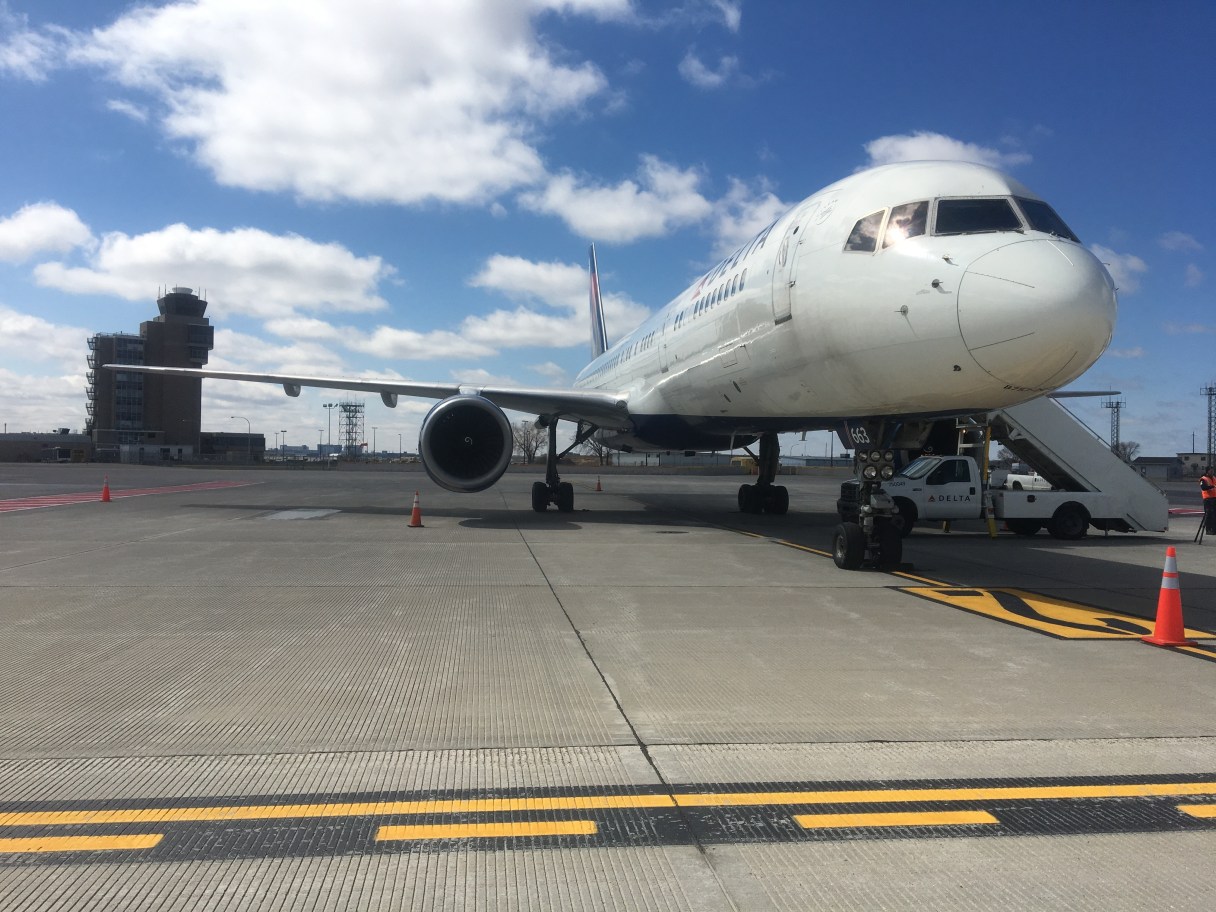
This April 11, 2017, photo shows a Delta Air Lines Boeing 757 at Minneapolis-St. Paul International Airport. The jet is equipped with Data Communications, an FAA NextGen technology that allows air traffic controllers and pilots to text each other instead of radioing each other. (AP Photo/Jeff Baenen)
This April 11, 2017, photo shows a Delta Air Lines Boeing 757 at Minneapolis-St. Paul International Airport. The jet is equipped with Data Communications, an FAA NextGen technology that allows air traffic controllers and pilots to text each other instead of radioing each other. (AP Photo/Jeff Baenen) This April 11, 2017, photo shows a Delta Air Lines Boeing 757 at Minneapolis-St. Paul International Airport. The jet is equipped with Data Communications, an FAA NextGen technology that allows air traffic controllers and pilots to text each other instead of radioing each other. (AP Photo/Jeff Baenen)

MINNEAPOLIS (AP) – A new technology is speeding communications between air traffic controllers and pilots at Minneapolis-St. Paul International Airport.

The Federal Aviation Administration’s Data Communications has been in place at the airport since November. It allows controllers and pilots to text each other with flight information instead of radioing each other.

Officials from the FAA, Delta Air Lines and the National Air Traffic Controllers Association promoted the benefits of the NextGen technology Tuesday. They say the technology speeds airplane clearances, reduces the risk of human error, saves fuel and makes flights more efficient.

The system also allows controllers to send text instructions to multiple aircraft.

The FAA is more than two years ahead of schedule and under budget in implementing the system, which is now available at 55 air traffic control towers.