
Monday, November 16, 2026Nov 16

AP Explains: 1,600 hopefuls, vetting and Islam in Iran poll

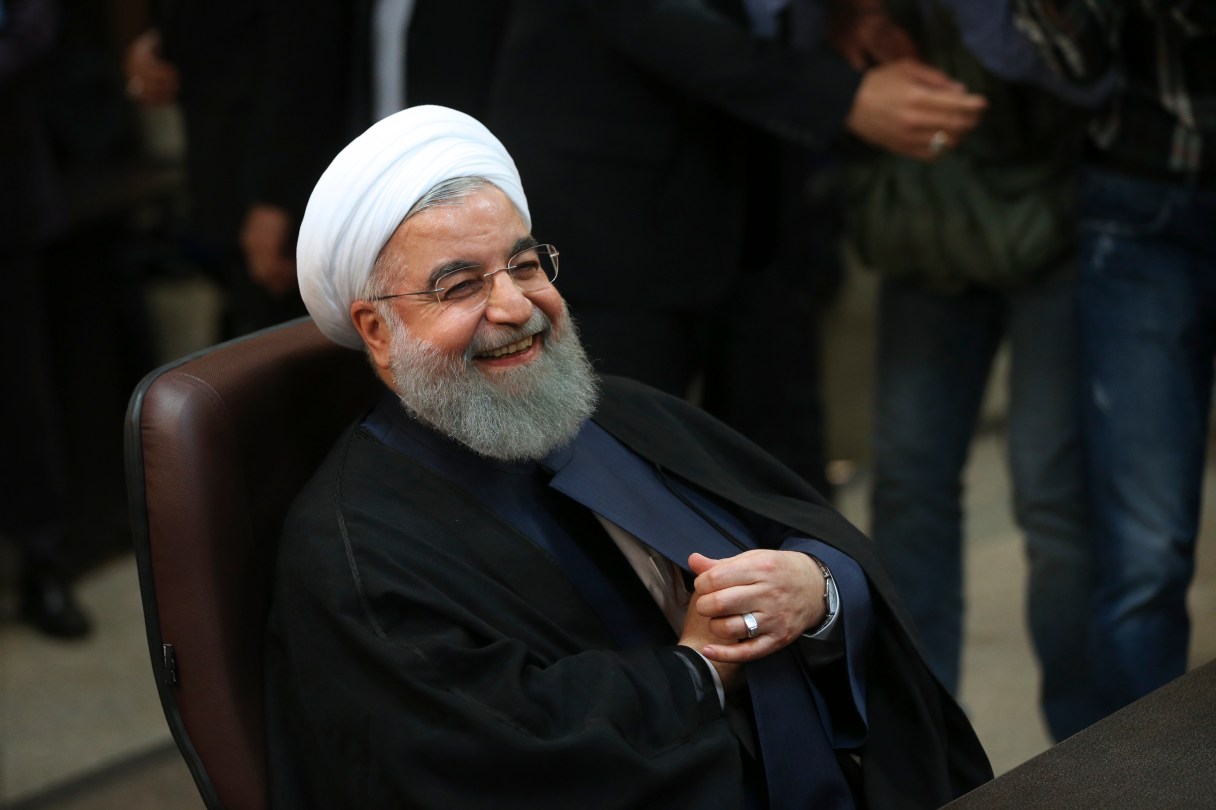
FILE- In this Friday, April 14, 2017 file photo, Iranian President Hassan Rouhani smiles as he attends at the Interior Ministry to register his candidacy for the May 19 presidential elections, in Tehran, Iran. Over 1,600 people registered to run. Under Iranian law, there's no fee for registering. Hopefuls only must believe in Iran's form of government and be Shiite Muslims. (AP Photo/Vahid Salemi, File)

DUBAI, United Arab Emirates (AP) – Iran’s upcoming presidential election likely will pit incumbent President Hassan Rouhani against a variety of contenders, but first all must be vetted by a panel as part of the Islamic Republic’s one-of-a-kind government.

So how does it all work and what happens next?

WHY ARE THERE SO MANY PRESIDENTIAL CANDIDATES?

Over 1,600 people registered to run. Under Iranian law, there’s no fee for registering. Hopefuls only must believe in Iran’s form of government and be Shiite Muslims. That gives gadflies and publicity seekers the chance to smile and wave to gathered journalists. It’s still a lot of candidates, though. The last similar turnout was Iran’s 2005 election, which saw more than 1,000 register. Some think more people register under moderate or reformist governments as they are less repressive.

WHO ARE THE TOP CONTENDERS?