
Friday, November 13, 2026Nov 13

Trailblazing Colorado abortion law marks 50th anniversary

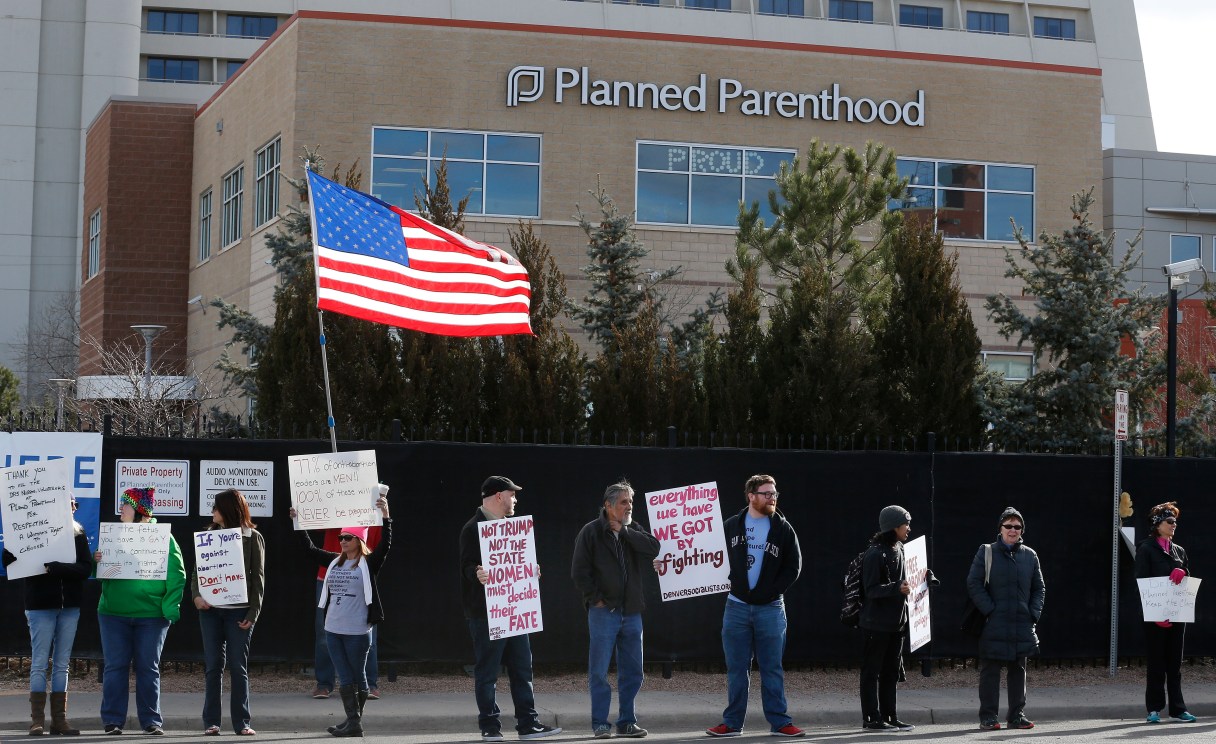
FILE - In this Feb. 11, 2017 file photo, pro-choice counter-protesters hold signs supporting a woman's right to choose abortion, as nearby anti-abortion activists held a rally in front of Planned Parenthood of the Rocky Mountains, in Denver. April 25, 2017, marks the 50th anniversary of a groundbreaking bill signed into law by a Republican governor that significantly loosened 1960s restrictions on legal abortions. That made Colorado the first U.S. state to do so, six years before the U.S. Supreme Court legalized abortion nationwide. (AP Photo/Brennan Linsley, File)

DENVER (AP) – Tuesday marks 50 years since a groundbreaking Colorado law significantly loosened tight restrictions on legal abortions.

Before the law, Colorado – like many states – allowed abortions only if a woman’s life was at stake.

In 1967, a Democratic freshman state lawmaker introduced a bill that allowed abortions if the woman’s physical or mental health was threatened, if the unborn child might have birth defects or in cases of rape or incest.

Rep. Richard Lamm said he feared he might be committing political suicide by introducing the bill to the overwhelmingly male, Republican-dominated Legislature.

But within weeks, Republican Gov. John Love signed the bill into law, making Colorado the first state to loosen restrictions on abortion – six years before the U.S. Supreme Court would legalize it nationally.