
YANGON, Myanmar (AP) – The Myanmar government’s inquiry into violence in northern Rakhine state last year that forced tens of thousands of Muslim Rohingya to flee to Bangladesh and led to U.N. accusations of crimes against humanity by the army has concluded that no such crimes happened.
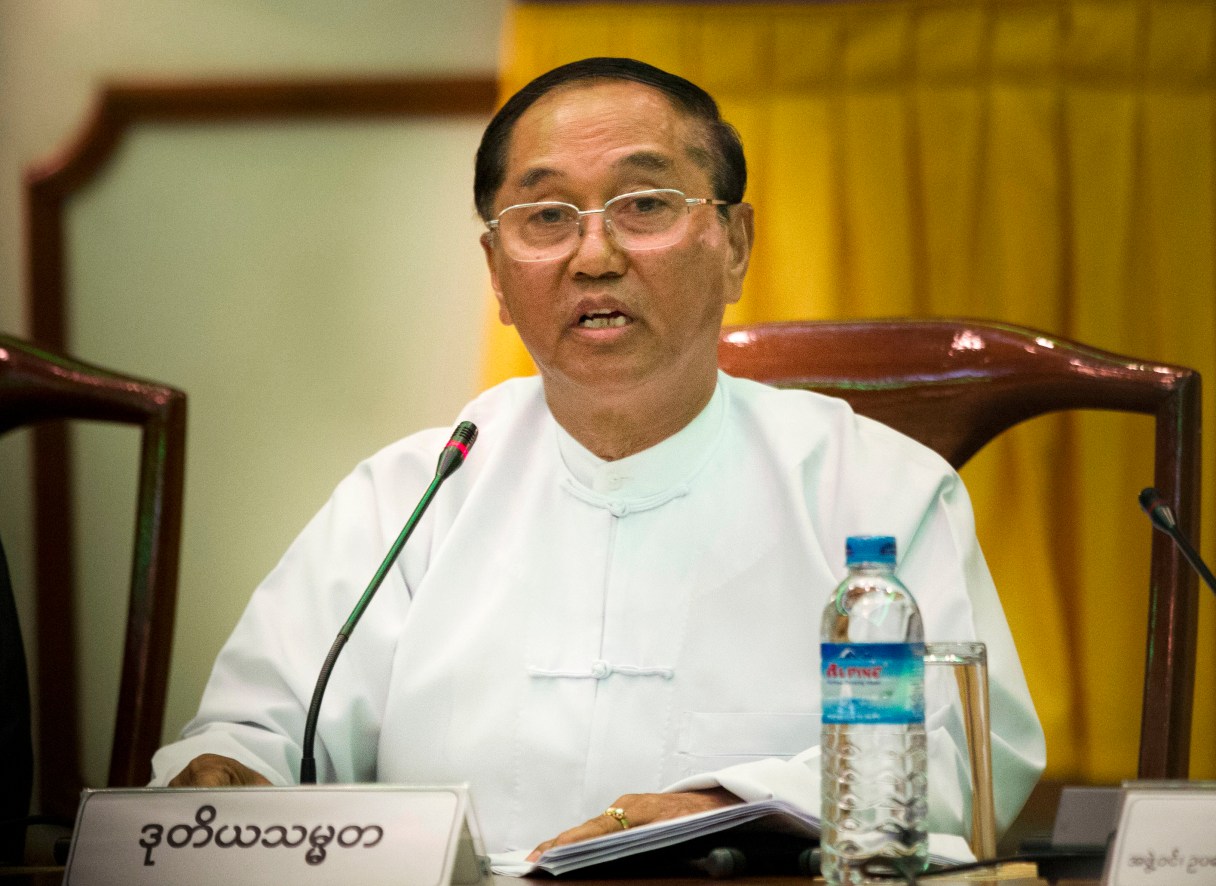
Speaking at the release of the Rakhine Investigative Commission’s final report, Vice President Myint Swe – a former general – told reporters Sunday that “there is no evidence of crimes against humanity and ethnic cleansing as the Office of the High Commissioner for Human Rights claimed.”
He also denied charges that there had been gang rapes by the military as it swept through Rohingya villages in a security clearance operation. The army was reacting to deadly attacks against border police posts by a previously unknown insurgent group in October 2016 in the Maungdaw area of Rakhine.
The commission’s report did accept that some things might have happened that broke the law, attributing it to excessive action on the part of individual members of the security forces.
Rights groups have previously expressed their doubts over the commission’s work, saying it lacked outside experts, had poor research methodologies and lacked credibility because it was not independent.