

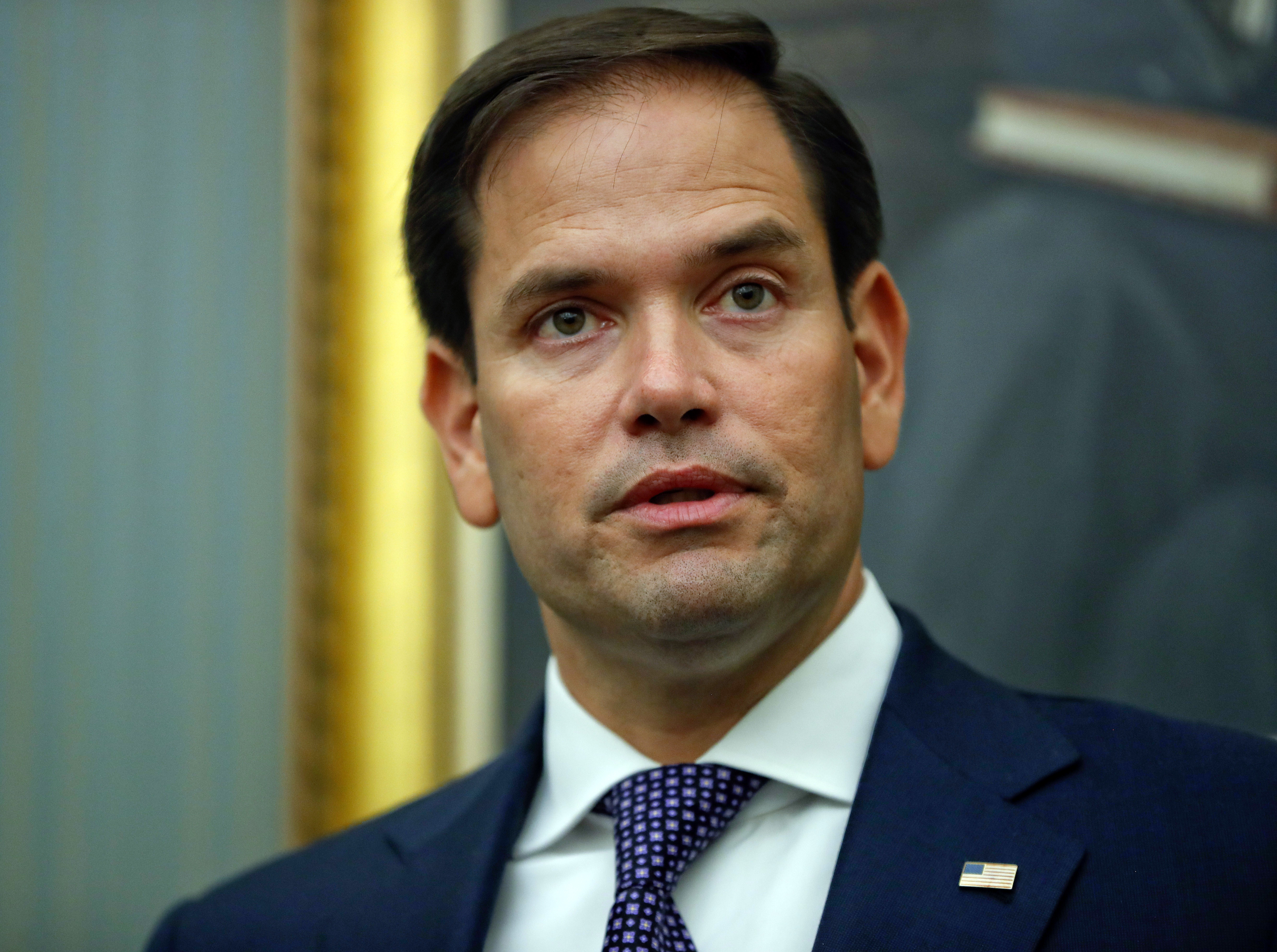
 FILE – In this Sept. 26, 2017, file photo, Sen. Marco Rubio, R-Fla., speaks during a news conference on Capitol Hill in Washington. Rubio will vote for his party’s $1.5 trillion tax bill. That gives a major boost to the prospects that GOP leaders will be able to push their prized measure through Congress next week. The Florida lawmaker had said he’d oppose the legislation unless his colleagues made the per child tax credit more generous for low-income families. On Dec. 15, Republicans said the final legislation would do just that. (AP Photo/Pablo Martinez Monsivais, File)
Cue the accountants – and the IRS rule-writers – the massive Republican tax package is nearly a done deal, soon to become law.
After weeks of drafting, fierce lobbying, horse-trading and cliffhangers from some holdout GOP senators, all that’s left is the voting and President Donald Trump’s signature. This week Republicans in the House and Senate will whisk through the sweeping $1.5 trillion GOP legislation on party-line votes. Trump signs it with what’s likely to be an elaborate White House ceremony.
The legislation permanently slashes the tax rate for corporations from 35 percent to 21 percent and reduces levies on the wealthiest Americans, while making more modest tax reductions for most others. The tax cuts for individuals are temporary, expiring in 2026. It doubles the standard deduction used by most Americans, to $24,000 for married couples, also ending in eight years.
If passed, the new law will kick in Jan. 1. It will bring the biggest overhaul of the U.S. tax code in three decades, reaching into every corner of American society and the economy. It will give Trump and the Republicans their first major legislative achievement and political insurance, as they see it, to hold on to their majorities in next year’s elections.
A look at how this unfolds and when taxpayers will be affected: