
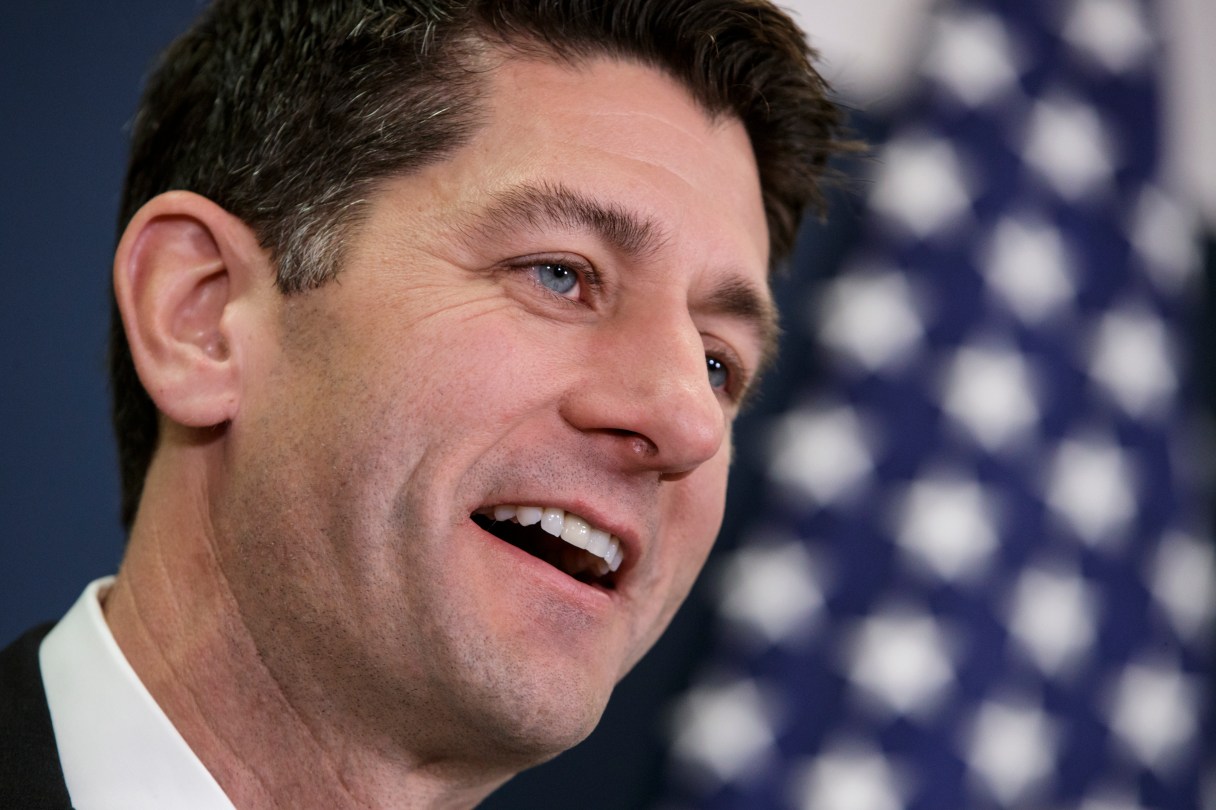

In one fell swoop Wednesday, the Republican Congress answered the “Drill, Baby, Drill” calls of the 2008 presidential election, the so-called tea party members of 2010 who became energized by the adoption of the unpopular Affordable Care Act and the constant drumbeat of conservatives who demand that taxpayers should get to keep more of their money.
One might expect that such a trifecta would be celebrated as a once-in-a-lifetime, or at least once-in-a-generation, accomplishment, but Democrats and their national media partners tell us this tax reform measure is highly unpopular, will cause financial ruin in the country and will propel their party to majorities in the Senate and House in 2018.
All we can say with confidence is we won’t know for several years how successful or unsuccessful this bill will be. Anyone who says they know already has some Washington, D.C., swamp land they’d be glad to sell you.
While we’ll always want Americans to keep more of their paychecks, aspects of the Tax Cuts and Jobs Act worry us. On the surface, it adds $1.5 trillion to the country’s debt over 10 years. That’s both going the wrong way and not looking at the mandatory spending side of the budget, which soon must be dealt with or there will be no non-mandatory spending side to worry about.
The individual taxes also expire in 2026. While some Republicans promise they’ll be made permanent when that time comes, that strikes us as a not-so-thoughtful gift to our 2026 selves or our heirs. We’d rather take less now – and in perpetuity – than think we’ll suddenly have to pay more.