Thursday, October 29, 2026Oct 29

This story is free to read.

Hamilton County’s Science Sparks pilot program provides teachers, students with hands-on projects
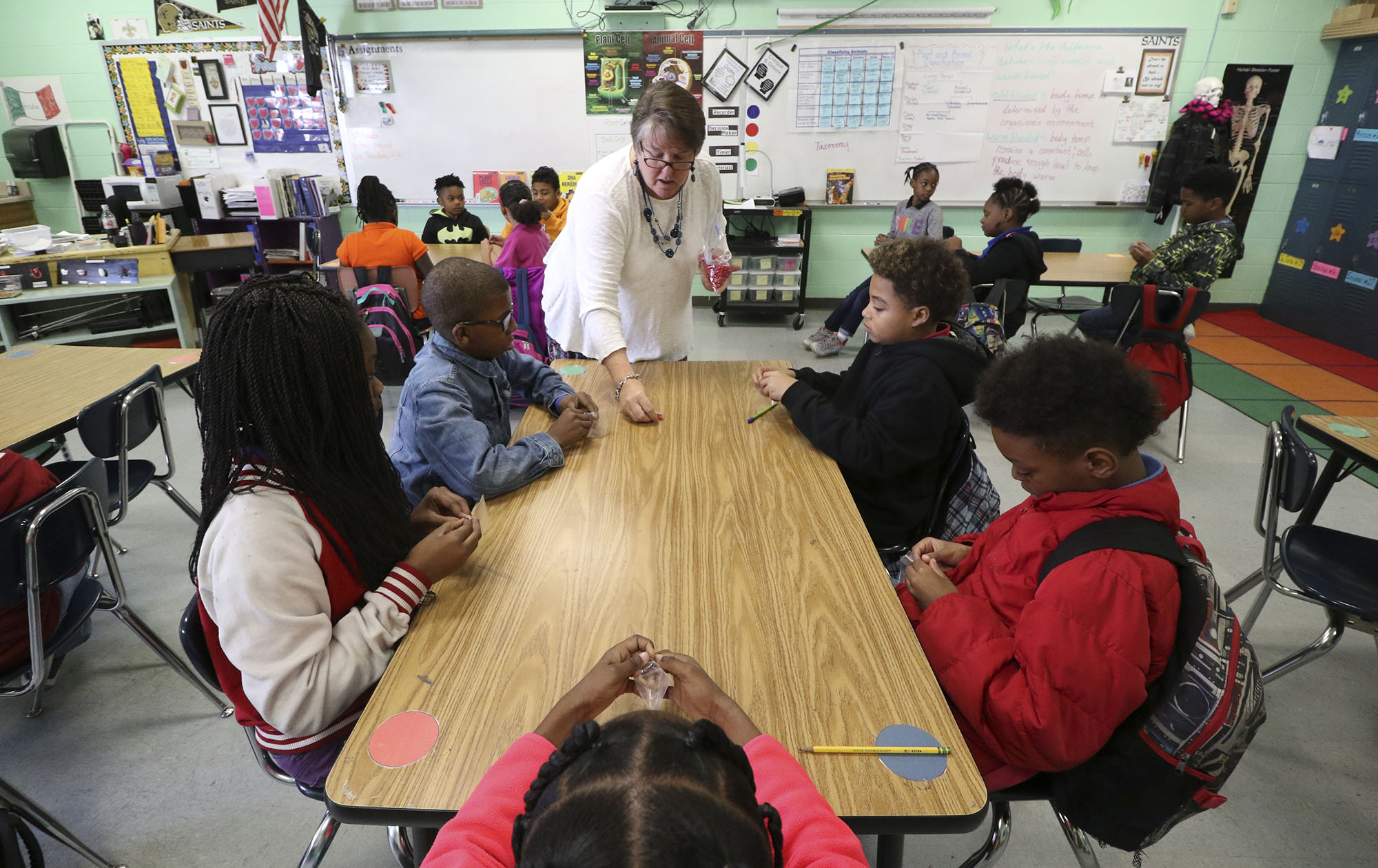
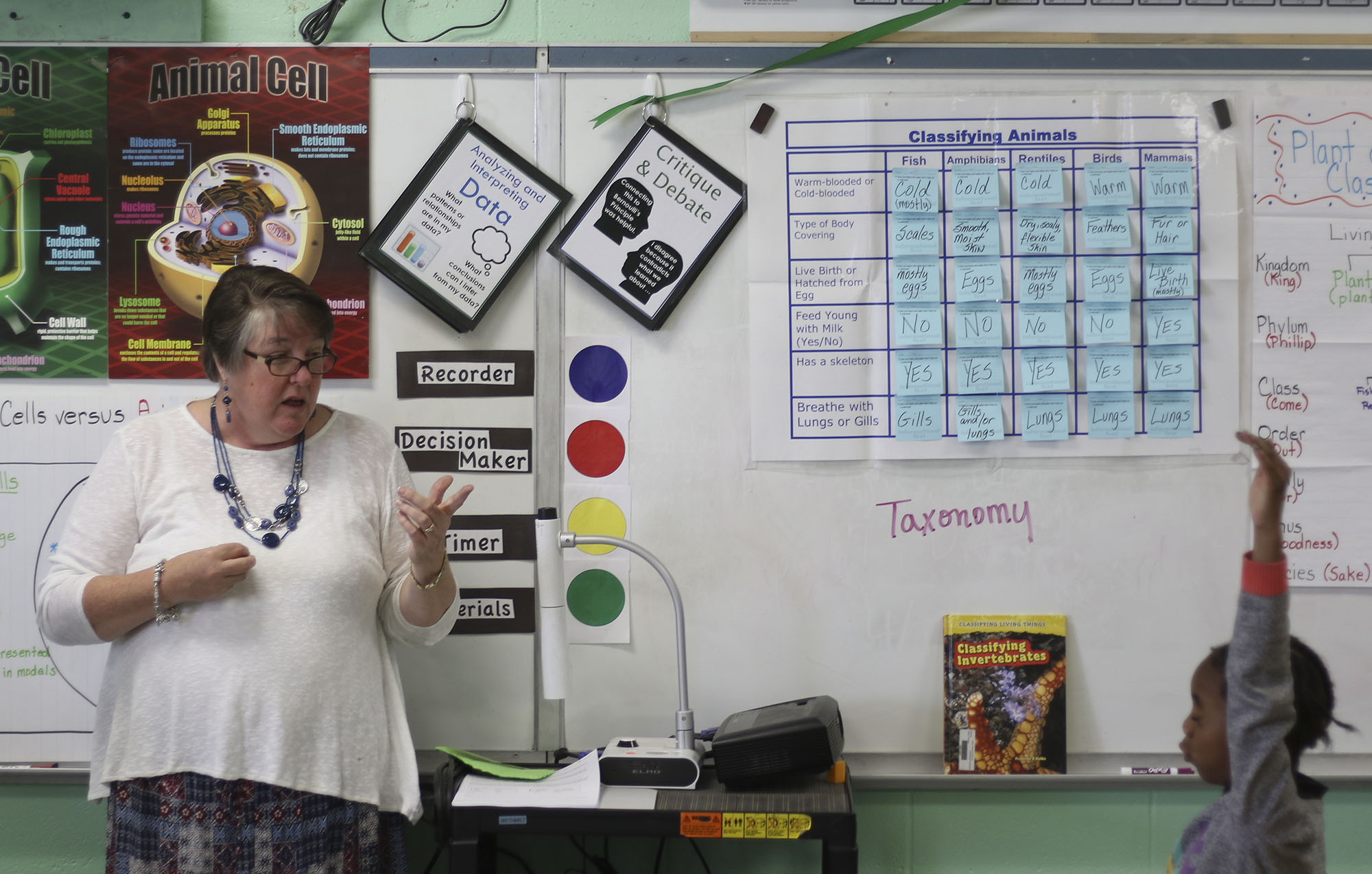
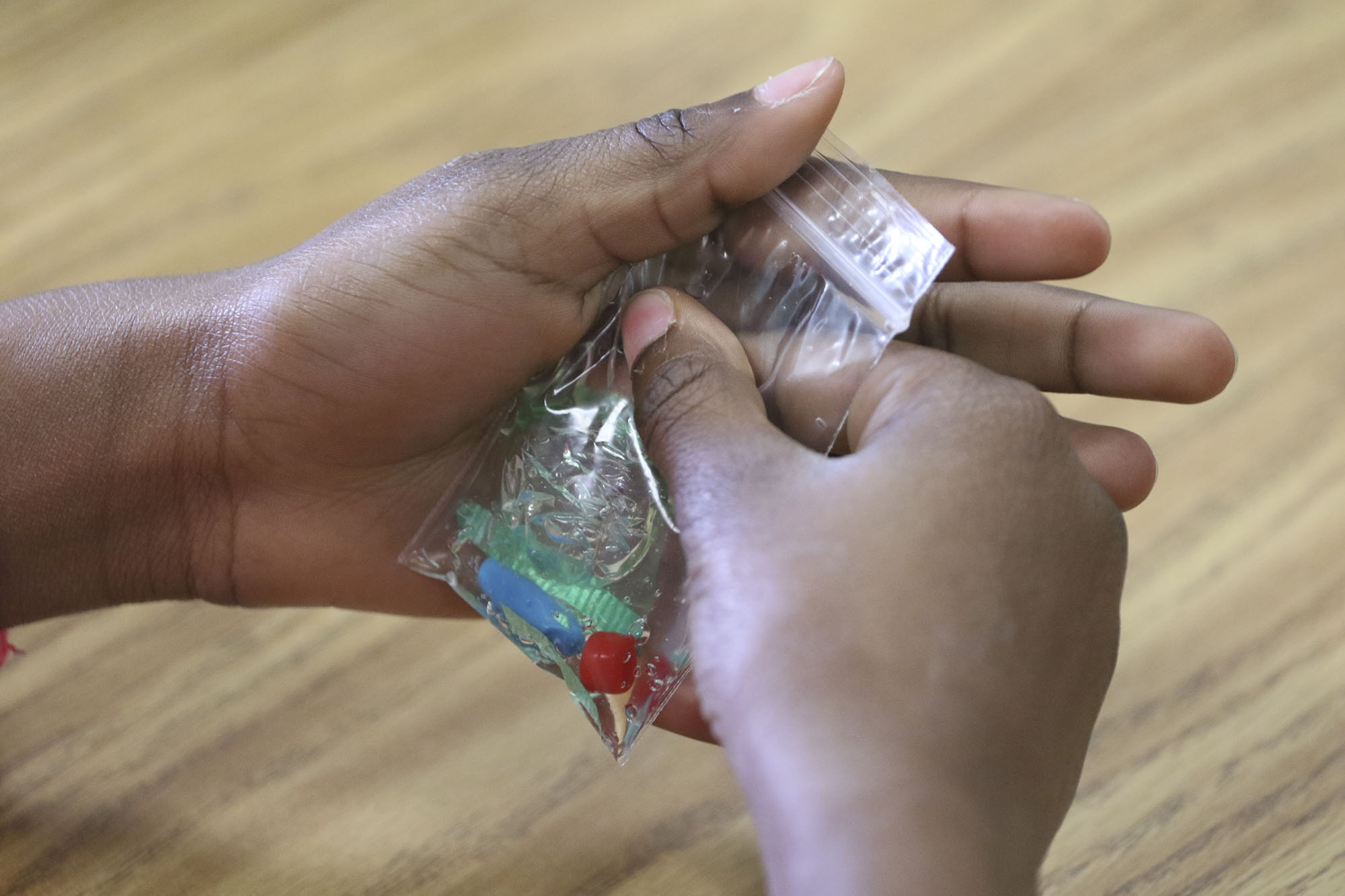
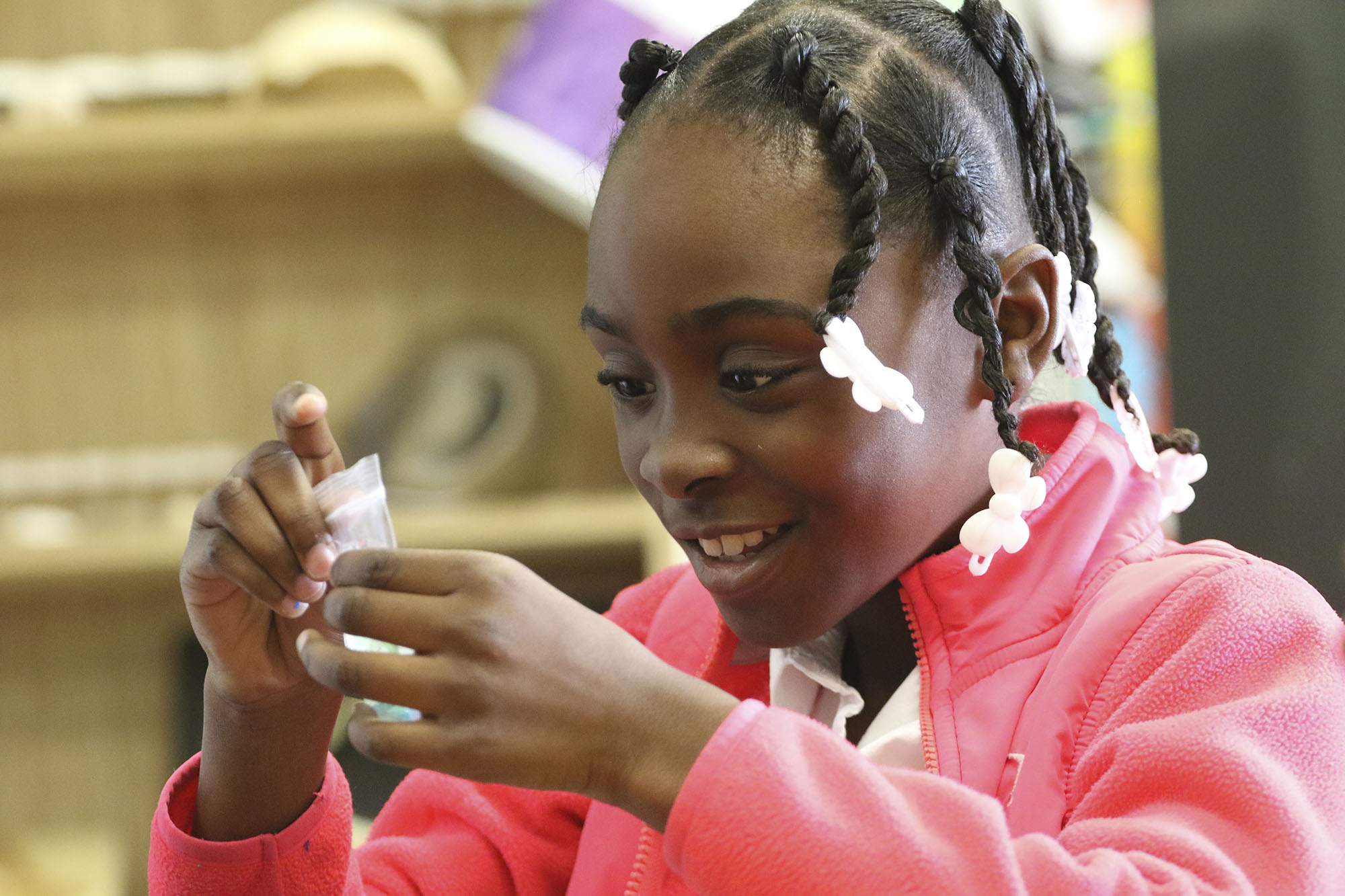
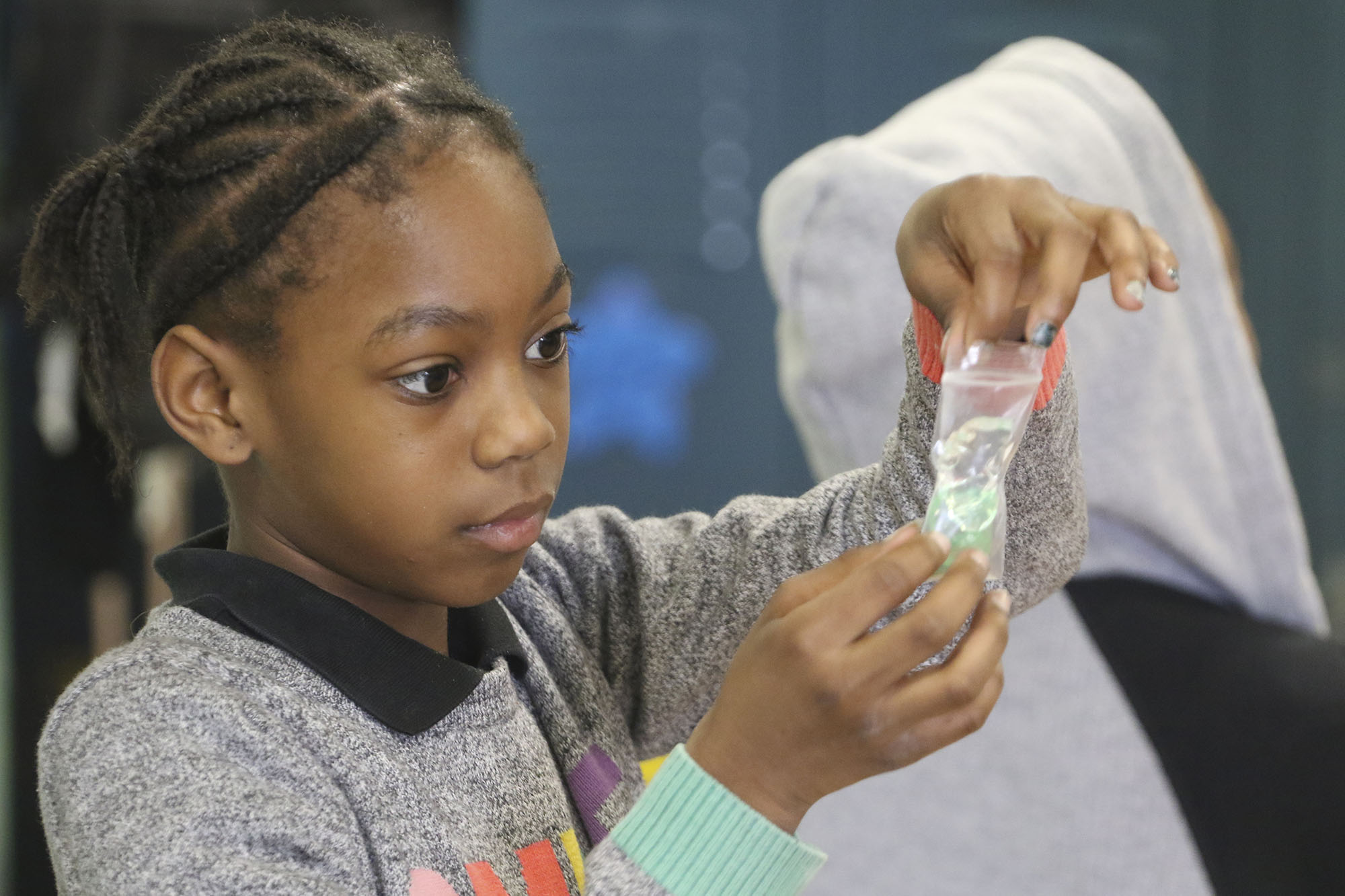
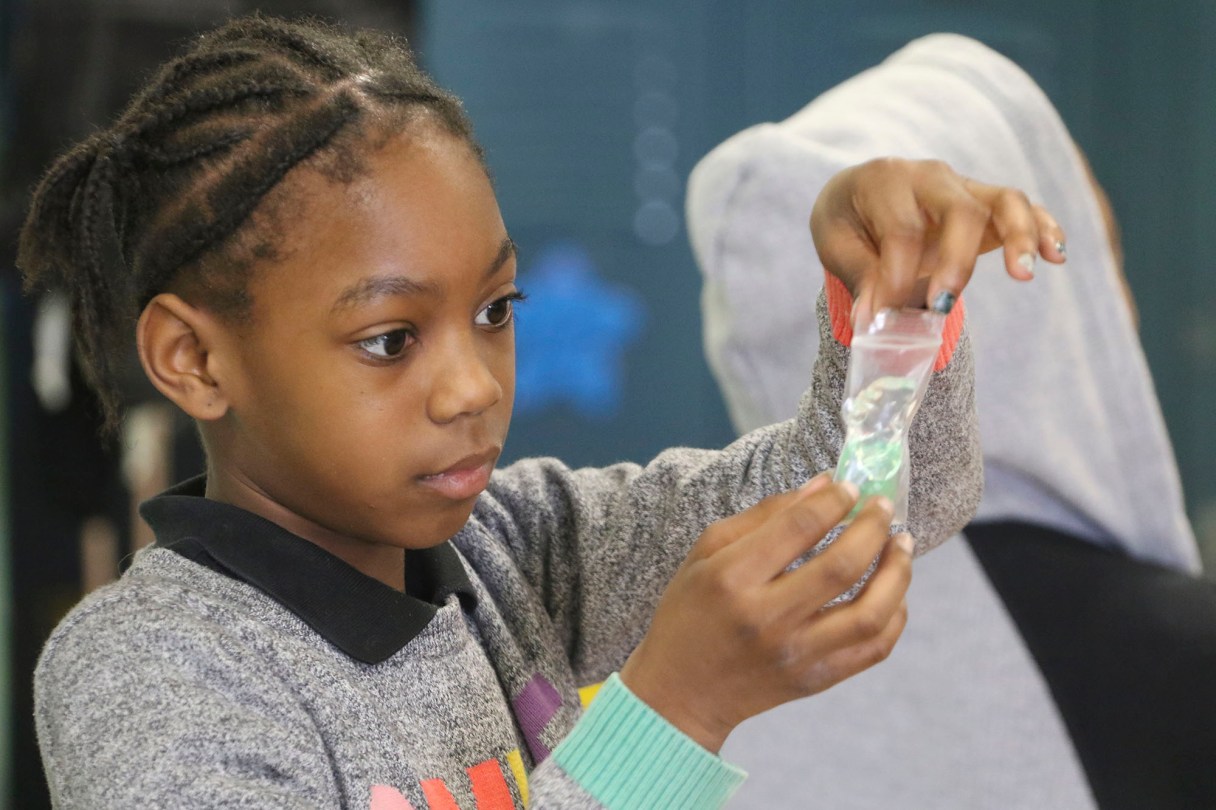
Staff Photo by Dan Henry / The Chattanooga Times Free Press- 2/21/17. Sy'Taishia Eberhardt assembles a "plant cell" in Susan Dorsa's fourth grade class as they learn about about plant cell structure using the Science Sparks! curriculum which Dorsa helped develop. More than 80 teachers across the district were given nine weeks worth of science lessons and all the supplies they need to make them hands-on. This pilot is one of the ways Hamilton County Schools is working to better engage students and teachers.
Staff Photo by Dan Henry / The Chattanooga Times Free Press- 2/21/17. Sy'Taishia Eberhardt assembles a "plant cell" in Susan Dorsa's fourth grade class as they learn about about plant cell structure using the Science Sparks! curriculum which Dorsa helped develop. More than 80 teachers across the district were given nine weeks worth of science lessons and all the supplies they need to make them hands-on. This pilot is one of the ways Hamilton County Schools is working to better engage students and teachers. Staff Photo by Dan Henry / The Chattanooga Times Free Press- 2/21/17. Sy'Taishia Eberhardt assembles a "plant cell" in Susan Dorsa's fourth grade class as they learn about about plant cell structure using the Science Sparks! curriculum which Dorsa helped develop. More than 80 teachers across the district were given nine weeks worth of science lessons and all the supplies they need to make them hands-on. This pilot is one of the ways Hamilton County Schools is working to better engage students and teachers.

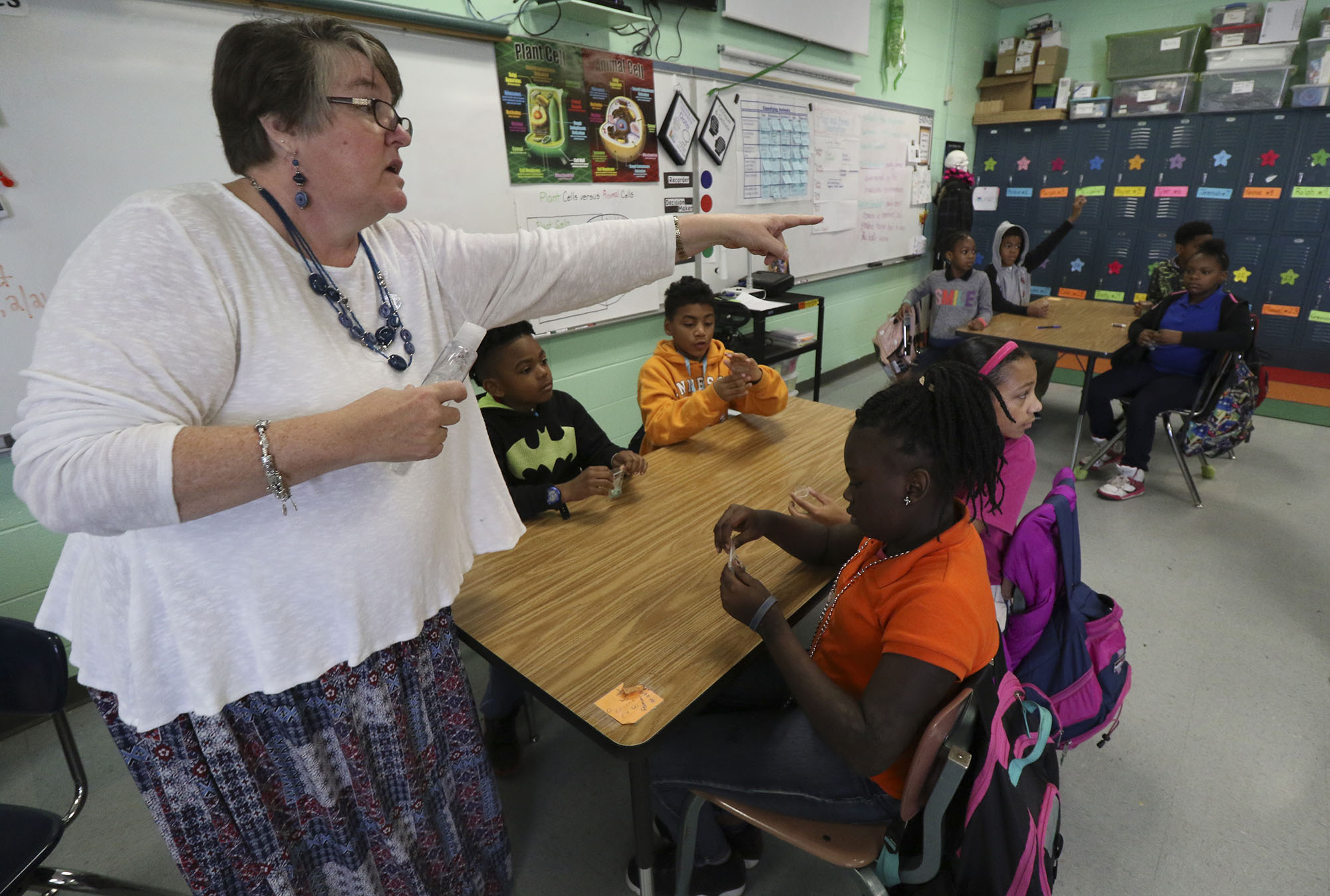
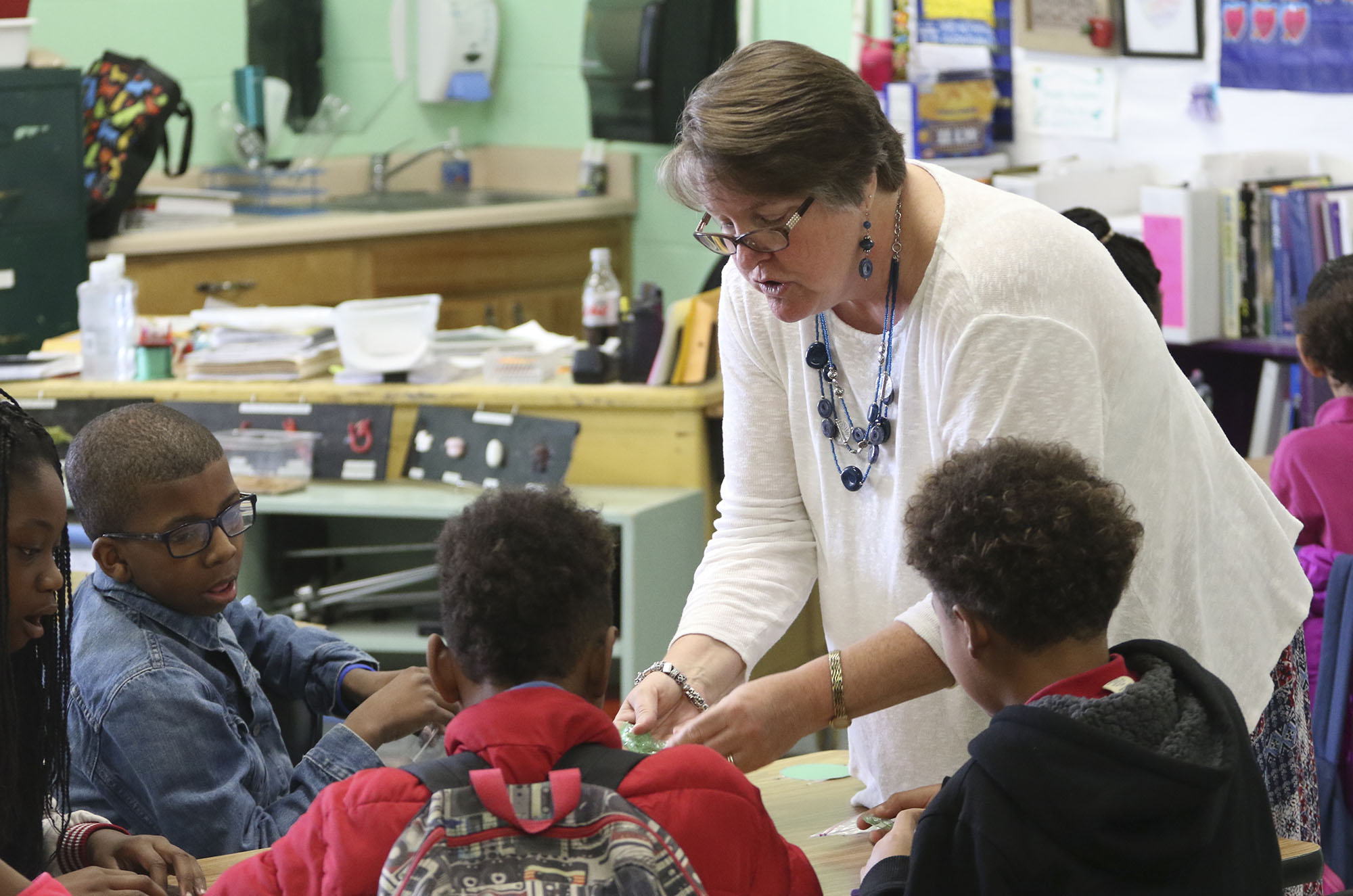
Susan Dorsa walked around her fourth-grade classroom Tuesday squirting clear hair gel into tiny ziplock bags her Barger Academy students eagerly held out.

“What does the gel represent?” she asked.

“Cytoplasm,” the class shouted in unison.

The hair gel and ziplock bags were just a few of the supplies the kids used to make plant cells. The bag served as the cell membrane, and a piece of bubble wrap was placed into each bag to represent the cell’s vacuole. Different colored beads were the nucleus and mitochondrion, and small strips of green ribbon represented the chloroplasts.

This project is just one of many Dorsa’s class is doing for nine weeks as a part of Hamilton County Schools’ Science Sparks pilot program.