
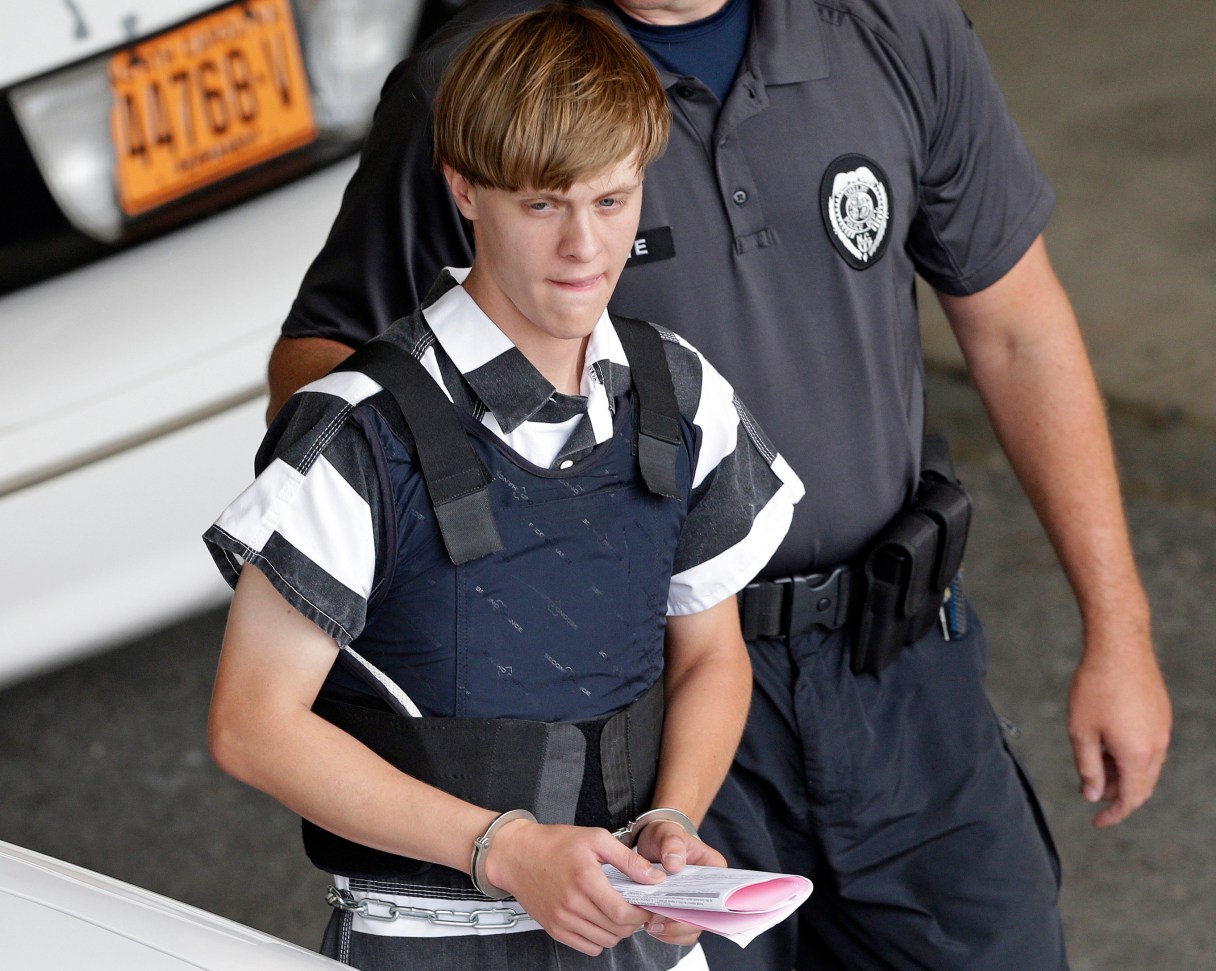
CHARLESTON, S.C. – After a judge ruled Monday that Dylann Roof is competent to represent himself, the same jury that last month unanimously found him guilty in the slayings of nine black parishioners at a South Carolina church will return to court to begin contemplating his punishment.
With the 22-year-old representing himself, the process is sure to be unconventional. But even if Roof is sentenced to death, it’s highly unlikely he’d be executed anytime soon.
While prosecutors plan to call up to 38 people related to the nine people killed and three who survived the June 2015 slaughter during Bible study at Emanuel AME Church in Charleston, Roof said last week he plans on calling no witnesses and presenting no evidence.
Roof was found guilty last month on 33 federal charges, including hate crimes and obstruction of the practice of religion. A jury took less than three hours to return its verdict, and a judge dismissed the jury for a break over the holidays.
Typically in what’s known as the sentencing phase, defense attorneys call relatives and other witnesses to testify about their client’s unsteady state of mind before and during the crimes. Given that background, the defense hopes, a jury might be more likely to spare the defendant’s life and opt against the death penalty.