
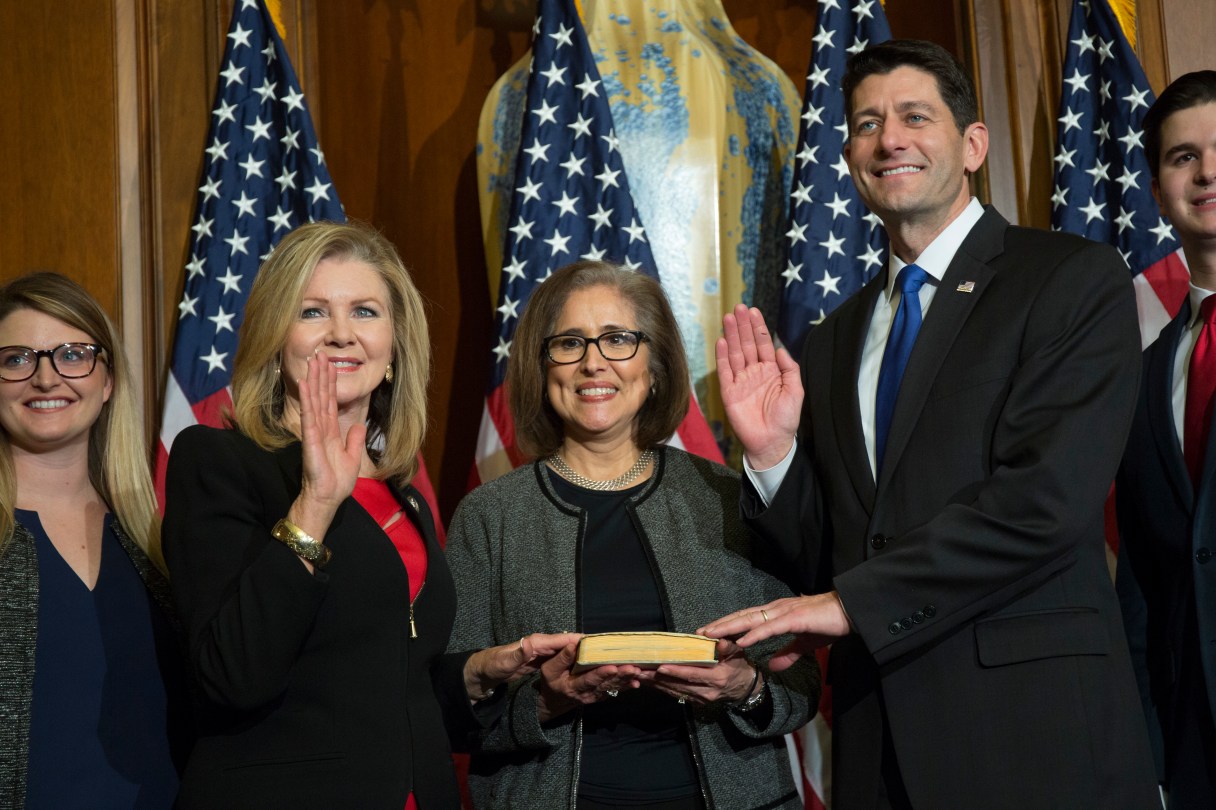
NASHVILLE – U.S. House Republicans from Tennessee, Georgia and other states began the first day of the 115th Congress on Tuesday with an embarrassing stumble after GOP members’ plan to hamstring the chamber’s independent ethics office imploded, the victim at least in part due to two critical tweets from their own President-elect, Republican Donald Trump.
By day’s end, GOP members reversed their Monday night vote in a closed-door conference and came to the House floor with a rules package minus the plan to strip a number of powers from the Office of Congressional Ethics.
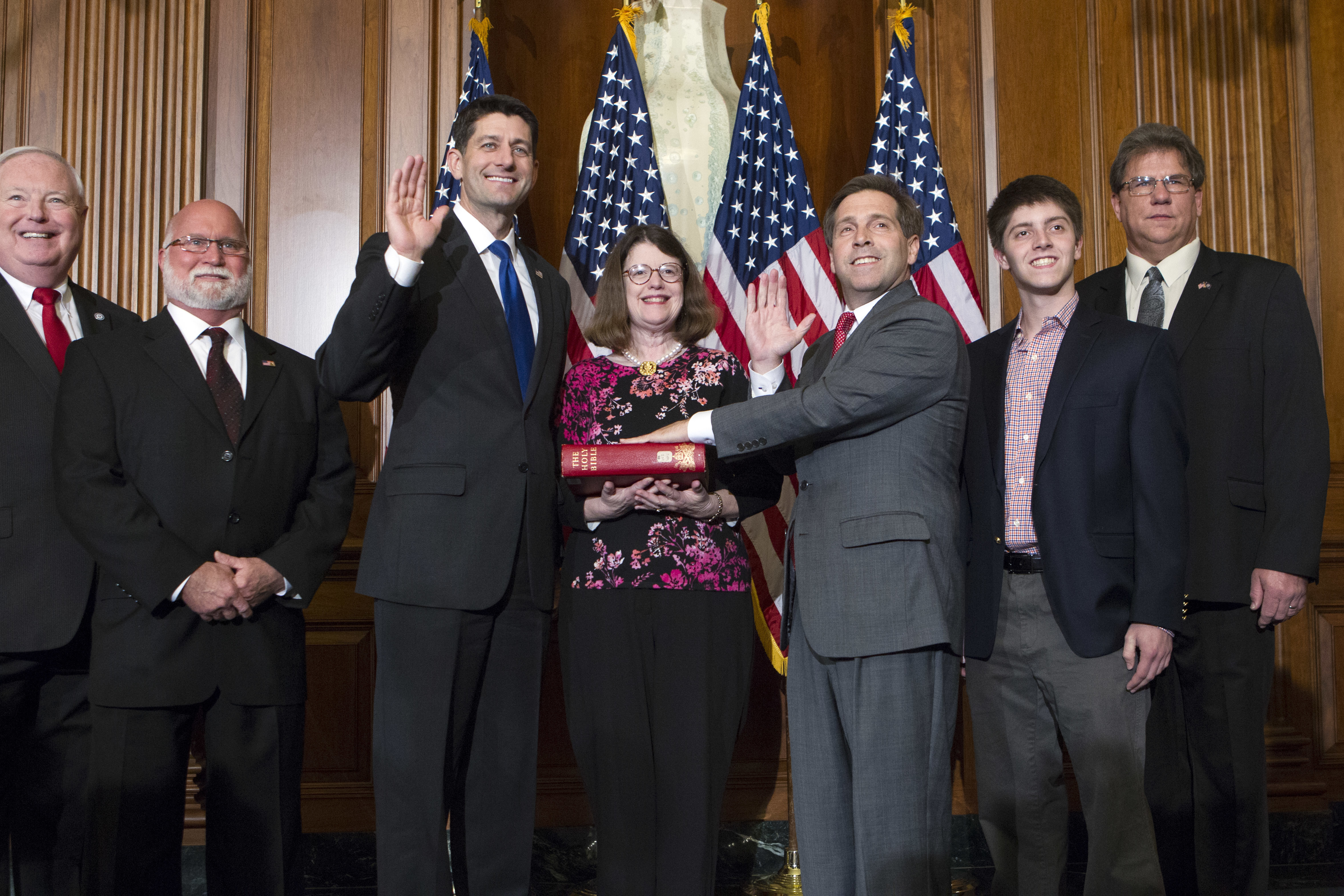 House Speaker Paul Ryan of Wis. administers the House oath of office to Rep. Chuck Fleischmann, R-Tenn., during a mock swearing in ceremony on Capitol Hill in Washington, Tuesday, Jan. 3, 2017, as the 115th Congress begins. (AP Photo/Jose Luis Magana)
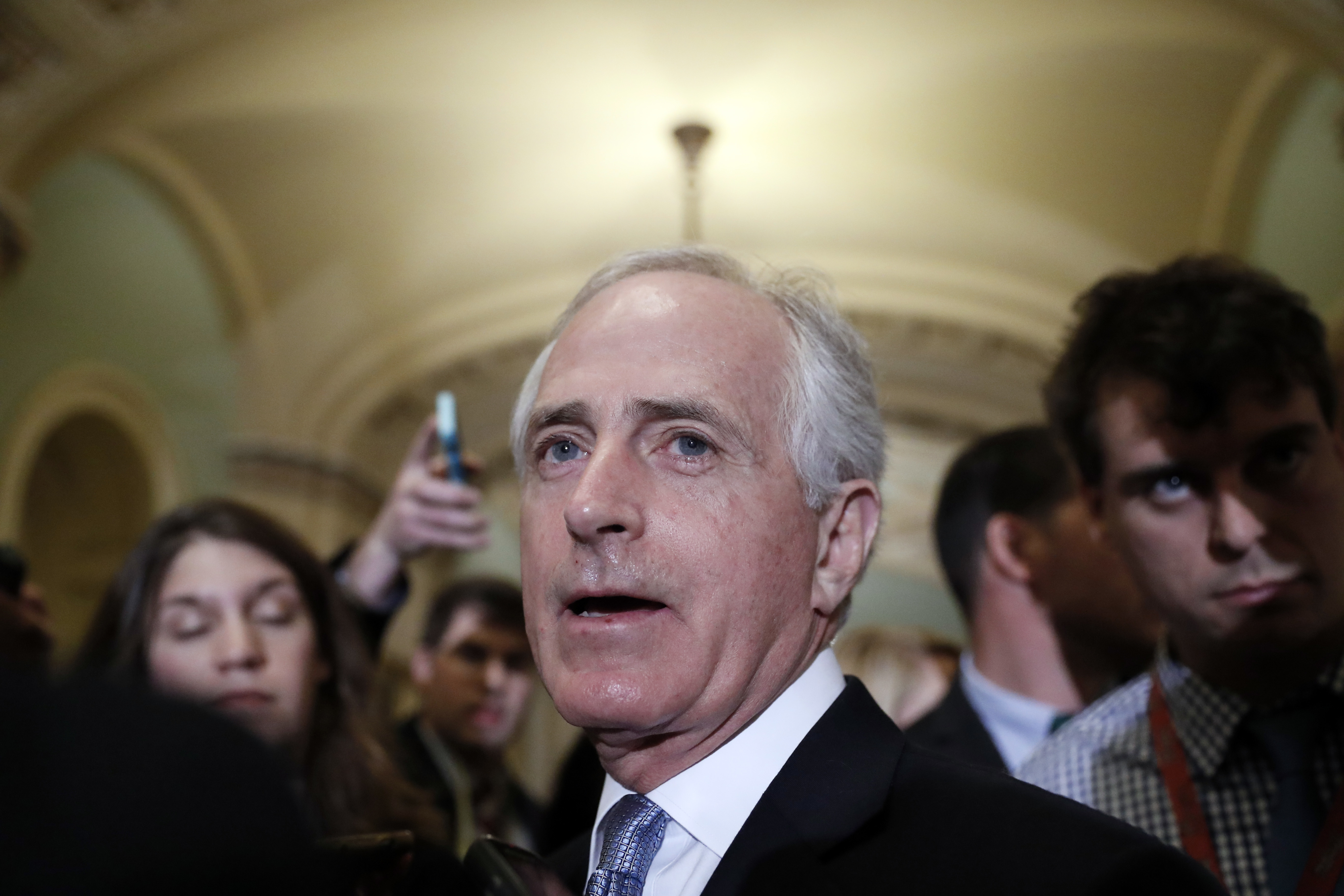 Sen. Bob Corker, R-Tenn. speaks with reporters on Capitol Hill in Washington, Tuesday, Jan. 3, 2017, as the 115th Congress begins. (AP Photo/Alex Brandon)
The office was created in 2008 after scandals erupted, ultimately sending three House lawmakers to jail.
Early Tuesday morning, before the growing public backlash, as well as Trump’s reaction, Rep. Marsha Blackburn, R-Tenn., defended the move during an appearance on CNN. Blackburn argued it would help guarantee due process for lawmakers through eliminating the use of anonymous tips against them and the regular House Ethics Committee can handle complaints.
“If someone is being accused of something, let somebody know who is accusing them,” Blackburn said. That would provide “individuals the opportunity to have some due recourse and to know who is accusing them, which is not something that individuals have known, and members of both conferences have wanted to see this type [of] transparency brought to the office.”