
Friday, November 13, 2026Nov 13

Milwaukee zoo hand raises Amur tiger cub to save its life

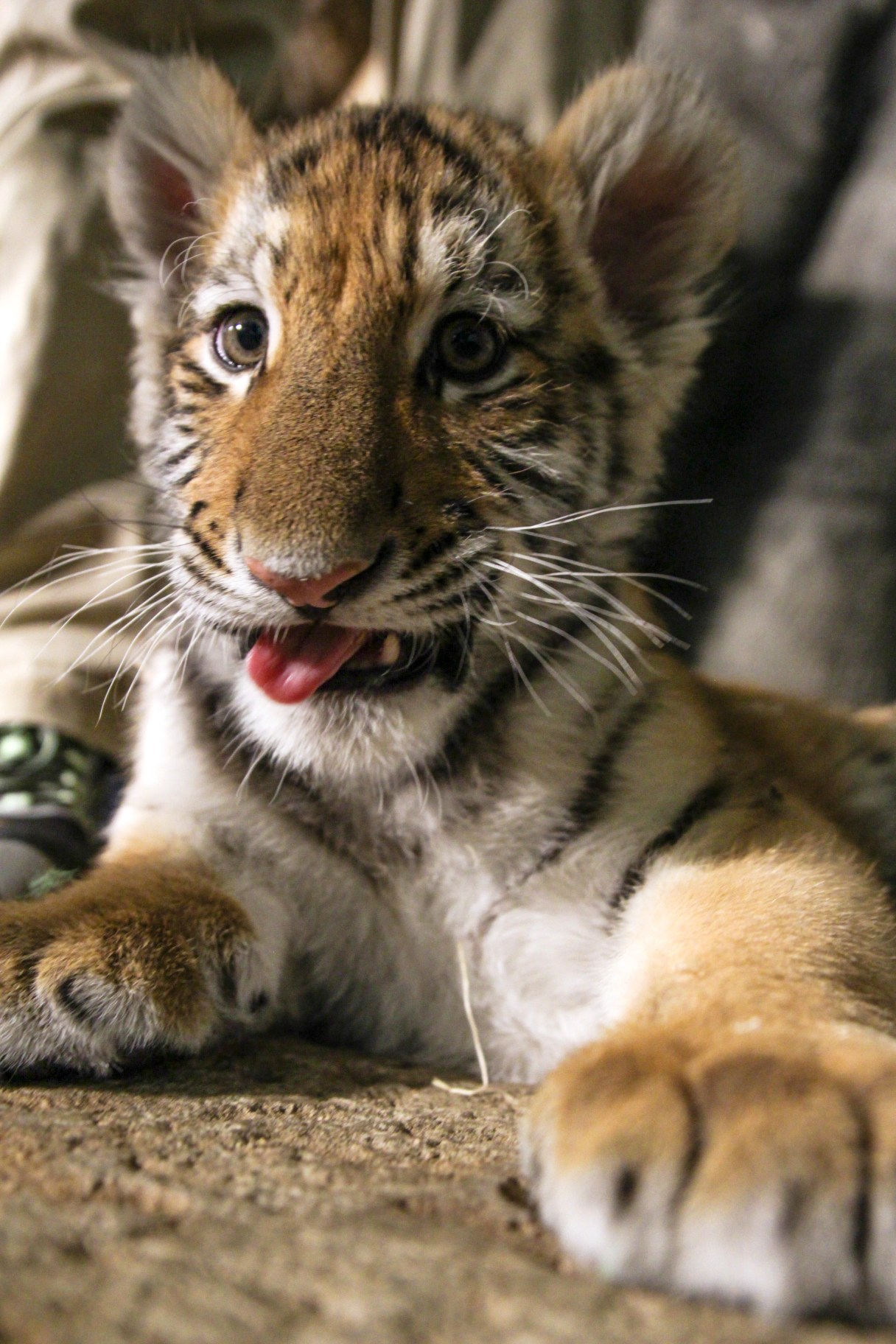
HOLD FOR STORY BY CARRIE ANTLFINGER - In this Dec. 12, 2016, photo, the Amur tiger cub Kashtan looks at a camera at the Milwaukee County Zoo in Milwaukee. Kashtan is being hand-raised by staff _ an unusual undertaking for a zoo. Kashtan had an infection at about a month old and had to be separated so medical staff could care for him. He was gone for about a month and zoo officials didn't know whether the mother would take him back and didn't want to risk his health or safety. (AP Photo/Carrie Antlfinger)
HOLD FOR STORY BY CARRIE ANTLFINGER - In this Dec. 12, 2016, photo, the Amur tiger cub Kashtan looks at a camera at the Milwaukee County Zoo in Milwaukee. Kashtan is being hand-raised by staff _ an unusual undertaking for a zoo. Kashtan had an infection at about a month old and had to be separated so medical staff could care for him. He was gone for about a month and zoo officials didn't know whether the mother would take him back and didn't want to risk his health or safety. (AP Photo/Carrie Antlfinger) HOLD FOR STORY BY CARRIE ANTLFINGER - In this Dec. 12, 2016, photo, the Amur tiger cub Kashtan looks at a camera at the Milwaukee County Zoo in Milwaukee. Kashtan is being hand-raised by staff _ an unusual undertaking for a zoo. Kashtan had an infection at about a month old and had to be separated so medical staff could care for him. He was gone for about a month and zoo officials didn't know whether the mother would take him back and didn't want to risk his health or safety. (AP Photo/Carrie Antlfinger)

MILWAUKEE (AP) – The zookeepers at the Milwaukee County Zoo are hand-raising a lone Amur tiger cub – an unusual undertaking only done in order to save the cub’s life.

Vets and zookeepers had to give special one-on-one care to then-10-pound cub named Kashtan after he developed an infection that killed one of his three sisters. They had considered returning him after about a week, but they didn’t trust mother Amba would allow him to be removed five times a day for feedings.

After he recovered about a month later, they didn’t know if Amba would still recognize him or if she would protect her other cubs because he had been sick, said Katie Kuhn, area supervisor of Big Cat Country at the Milwaukee County Zoo.

It’s not ideal but the zoo’s vet, Dr. Vickie Clyde, said then-four-week old Kashtan would have died if they had not removed him. And his situation helped with early detection of the same infection in his sister Bernadette that allowed her to stay with Amba and sister Eloise.

A small percentage of mothers neglect or reject cubs – requiring zookeepers to step in – but officials usually look for orphaned cubs at other accredited zoos so they can be raised together, said Tara Harris, the coordinator of the Tiger Species Survival Plan, which among other things matches tigers based on their genetics for breeding. She’s also vice president of conservation for the Minnesota Zoo.