
Tuesday, November 17, 2026Nov 17

APNewsBreak: California funds 1st US inmate sex reassignment

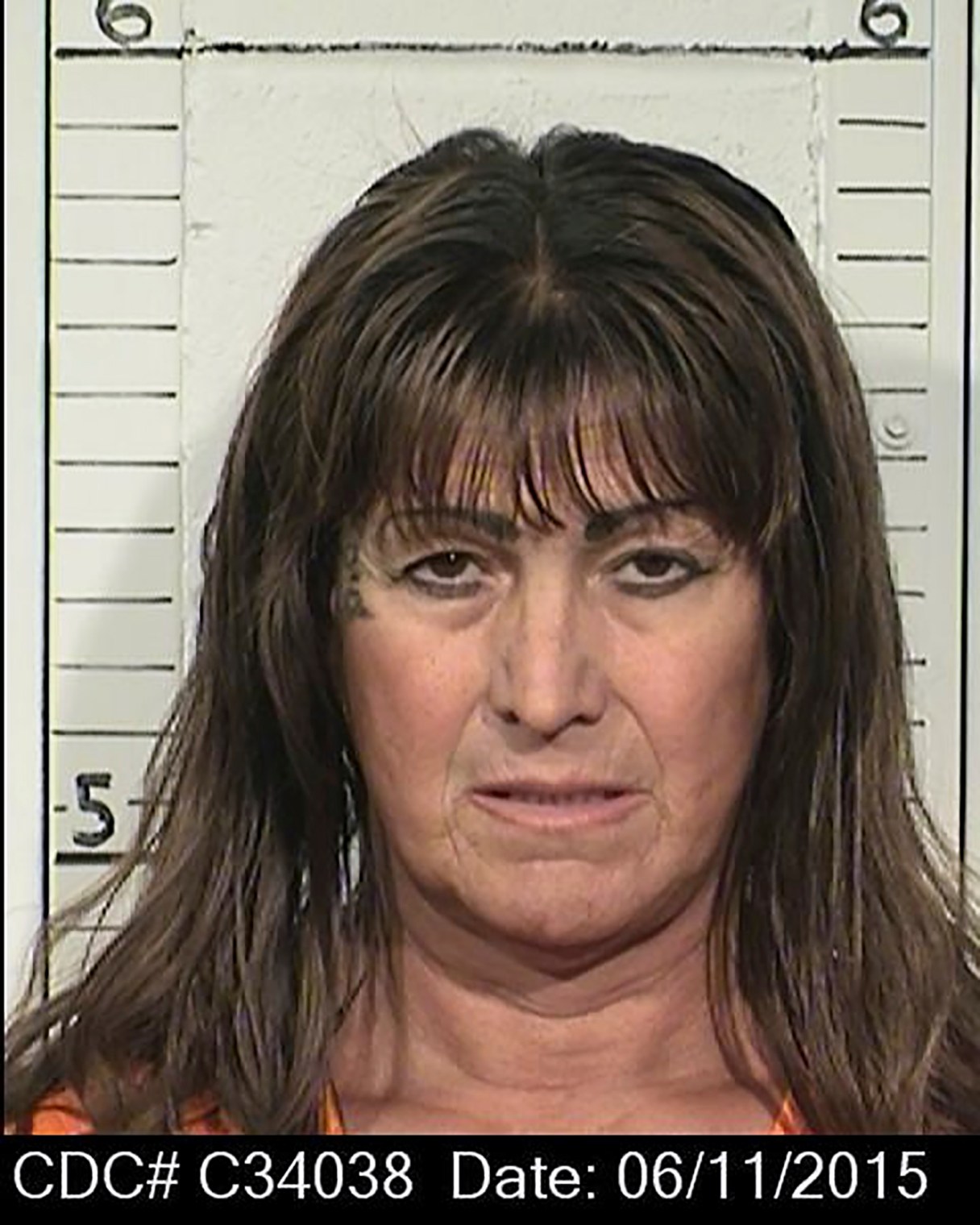
FILE - This June 11, 2015, file photo provided by the California Department of Corrections and Rehabilitation shows Shiloh Heavenly Quine. The 57-year-old convicted killer has become the first U.S. inmate to receive state-funded sex reassignment surgery. Shiloh Heavenly Quine has been living as a woman in a California men's prison. The surgery was scheduled for Thursday, and her attorneys told The Associated Press on Friday, Jan. 6, 2017, that it was performed. California prison officials agreed in 2015 to pay for the surgery for Quine. (AP Photo/California Department of Corrections and Rehabilitation, File)

SACRAMENTO, Calif. (AP) – A 57-year-old convicted killer serving a life sentence in California became the first U.S. inmate to receive state-funded sex-reassignment surgery, the prisoner’s attorneys confirmed Friday to The Associated Press.

California prison officials agreed in August 2015 to pay for the surgery for Shiloh Heavenly Quine, who was convicted of first-degree murder, kidnapping and robbery for ransom and has no possibility of parole.

Quine’s case led the state to become the first to set standards that will allow other transgender inmates to apply to receive state-funded sex-reassignment surgery.

It also prompted a federal magistrate to require California to provide transgender female inmates housed in men’s facilities with more female-oriented items such as nightgowns, scarves and necklaces.

“For too long, institutions have ignored doctors and casually dismissed medically necessary and life-saving care for transgender people just because of who we are,” said Kris Hayashi, executive director of the Transgender Law Center, which represents Quine and other transgender inmates.