
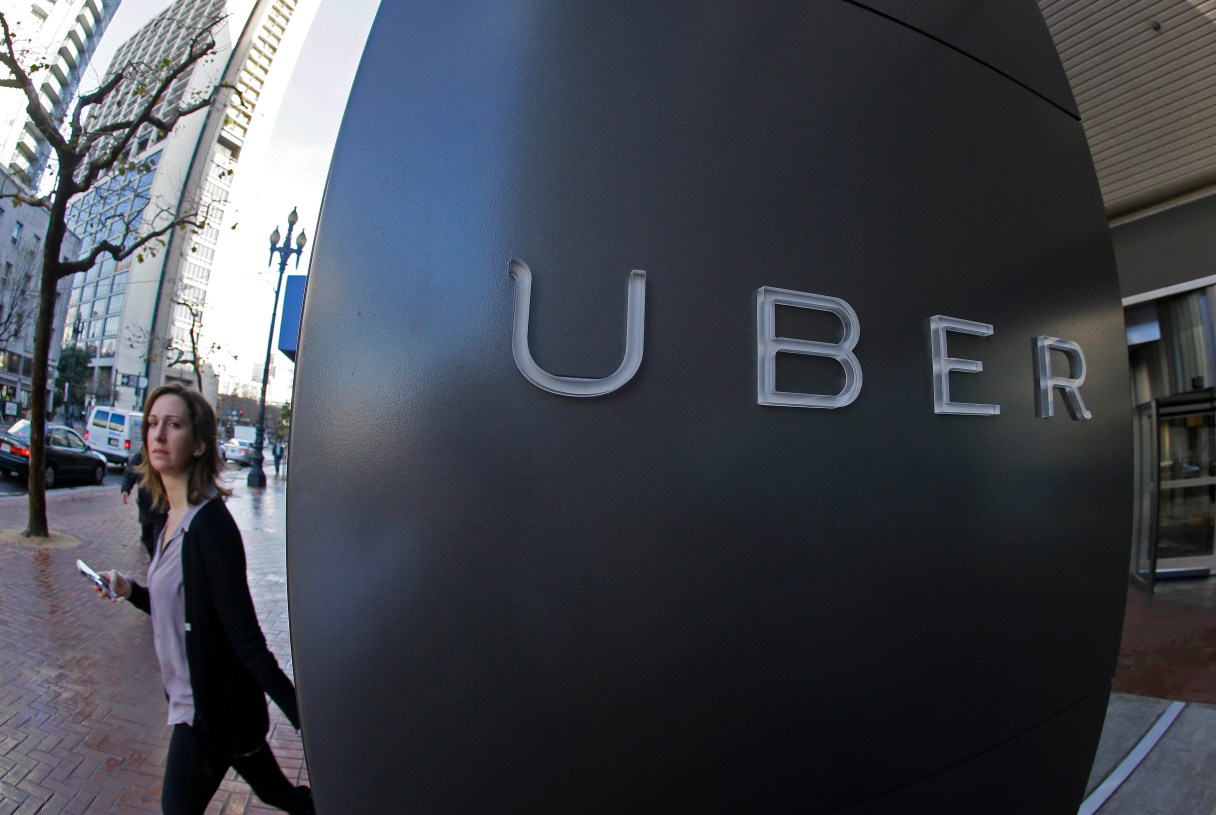
Software has started writing poetry, sports stories and business news. IBM’s Watson is co-writing pop hits. Uber has begun deploying self-driving taxis on real city streets and, last month, Amazon delivered its first package by drone to a customer in rural England.
Add it all up and you quickly realize that Donald Trump’s election isn’t the only thing disrupting society today. The far more profound disruption is happening in the workplace and in the economy at large, as the relentless march of technology has brought us to a point where machines and software are not just outworking us but starting to outthink us in more and more realms.
To reflect on this rapid change, I sat down with my teacher and friend Dov Seidman, CEO of LRN, which advises companies on leadership and how to build ethical cultures, for his take.
“What we are experiencing today bears striking similarities in size and implications to the scientific revolution that began in the 16th century,” said Seidman. “The discoveries of Copernicus and Galileo, which spurred that scientific revolution, challenged our whole understanding of the world around and beyond us – and forced us as humans to rethink our place within it.”
Once scientific methods became enshrined, we used science and reason to navigate our way forward, he added, so much so that “the French philosopher René Descartes crystallized this age of reason in one phrase: ‘I think, therefore I am.'” Descartes’ point, said Seidman, “was that it was our ability to ‘think’ that most distinguished humans from all other animals on earth.”