
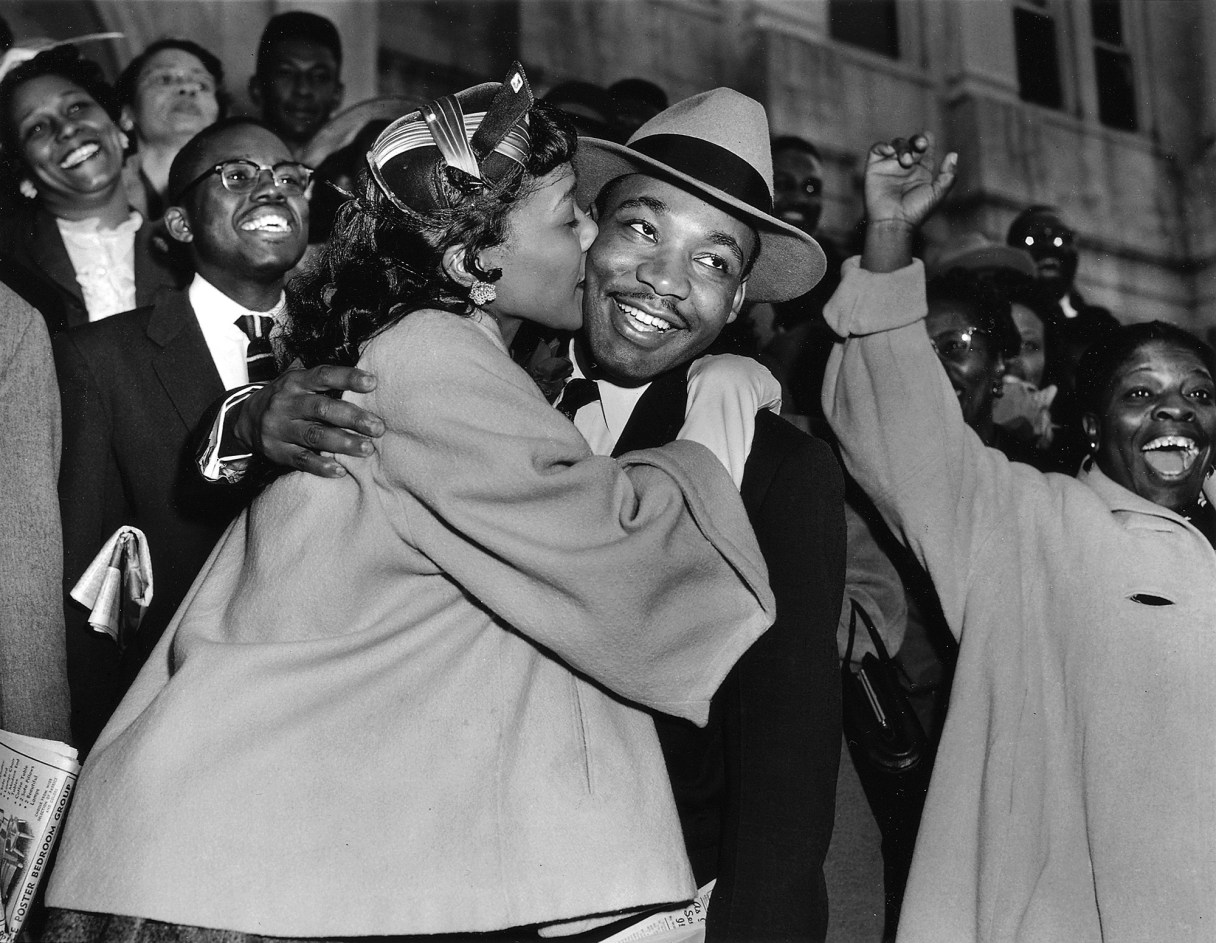
 Robin Smith
I was 4 years old when Dr. Martin Luther King Jr., the American icon, was assassinated by an escaped prisoner who rejected a truth. That truth is supported in sacred Scripture and the Declaration of Independence – “We hold these truths to be self-evident, that all men are created equal, that they are endowed by their Creator with certain unalienable Rights, that among these are Life, Liberty and the pursuit of Happiness.”
Approaching 54 years of age, I made the time last week to listen to several sermons archived by the Stanford University Martin Luther King, Jr. Research and Education Institute. What a blessing to listen to a great man, not a perfect man but a passionate preacher of the gospel of Christ and a fighter for equality based on his standing as a creation of God and as an American.
The homily delivered on Feb. 4, 1968, at his home church, Ebenezer Baptist Church in Atlanta, was one identified by King’s wife as most reflective of her husband’s life. So much so, the sermon – “The Drum Major Instinct” – was played at his funeral. Its message pierced hearts during the Civil Rights movement in the fight against despicable discrimination through racial segregation and inhuman mistreatment.
The key points of the sermon were simple: The instinct of everyone is to lead the parade and be the drum major. While Dr. King eloquently pointed out the positives of this self-confidence and ambition in leadership, his caution about the mindset focused on timeless truths.
The 1964 Nobel Peace Prize winner, who had passed the Morehouse College entrance exam at 15 years of age, also noted the drum major instinct’s destructive potential.