
Friday, October 30, 2026Oct 30

This story is free to read.

Many farmers still need training after Lake Erie algae

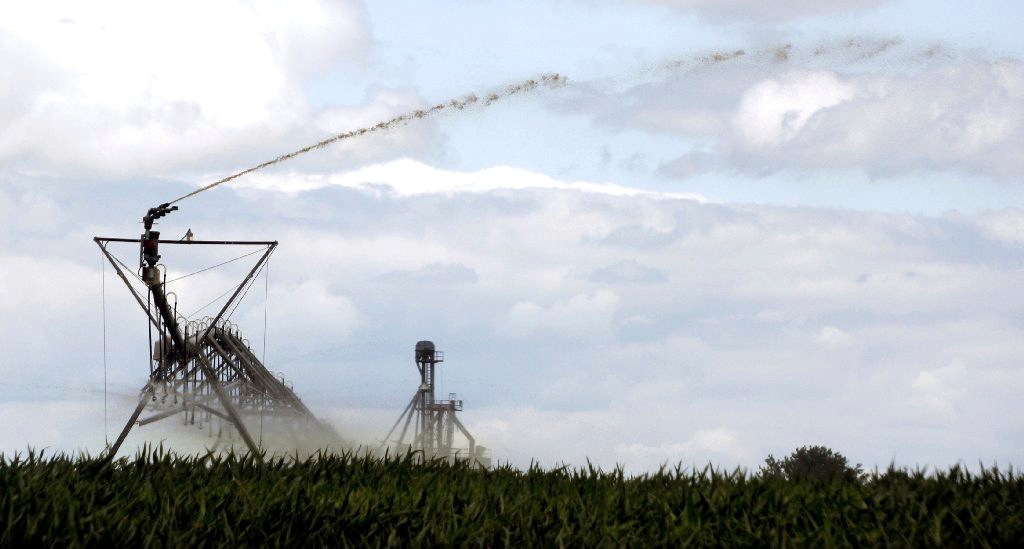
FILE – This undated file photo shows liquid manure sprayed over a field to fertilize crops on a farm in Union County, Ohio. As of early 2017, about 12,000 farmers and fertilizer applicators have completed Ohio's three-hour training program that soon will be required to use commercial fertilizer. The first-of-its-kind requirement, approved by Ohio lawmakers in 2014, is one step the state has taken to reduce farm runoff that feeds toxic algae in lakes and rivers. (Jeff Hinckley/The Columbus Dispatch via AP, File)
FILE – This undated file photo shows liquid manure sprayed over a field to fertilize crops on a farm in Union County, Ohio. As of early 2017, about 12,000 farmers and fertilizer applicators have completed Ohio's three-hour training program that soon will be required to use commercial fertilizer. The first-of-its-kind requirement, approved by Ohio lawmakers in 2014, is one step the state has taken to reduce farm runoff that feeds toxic algae in lakes and rivers. (Jeff Hinckley/The Columbus Dispatch via AP, File) FILE – This undated file photo shows liquid manure sprayed over a field to fertilize crops on a farm in Union County, Ohio. As of early 2017, about 12,000 farmers and fertilizer applicators have completed Ohio's three-hour training program that soon will be required to use commercial fertilizer. The first-of-its-kind requirement, approved by Ohio lawmakers in 2014, is one step the state has taken to reduce farm runoff that feeds toxic algae in lakes and rivers. (Jeff Hinckley/The Columbus Dispatch via AP, File)

TOLEDO, Ohio (AP) – Ohio’s agriculture leaders say thousands of farmers have gone through training that soon will be required to put commercial fertilizer on their fields.

But they say many more need to complete the program aimed at combating the toxic algae fouling Lake Erie.

The first of its kind requirement is one of the steps Ohio has taken to reduce the farm runoff that feeds the algae in the state’s lakes and rivers. State lawmakers gave farmers three years to be certified when they approved the change in 2014.

Ohio Agriculture Director Dave Daniels says about 12,000 farmers and fertilizer applicators have completed their training. He estimates that anywhere from 6,000-10,000 still need the certification by the end of September.

Agriculture leaders say more training sessions are scheduled in nearly every county.