
Friday, October 30, 2026Oct 30

This story is free to read.

CEOs push back against Trump temporary immigration ban

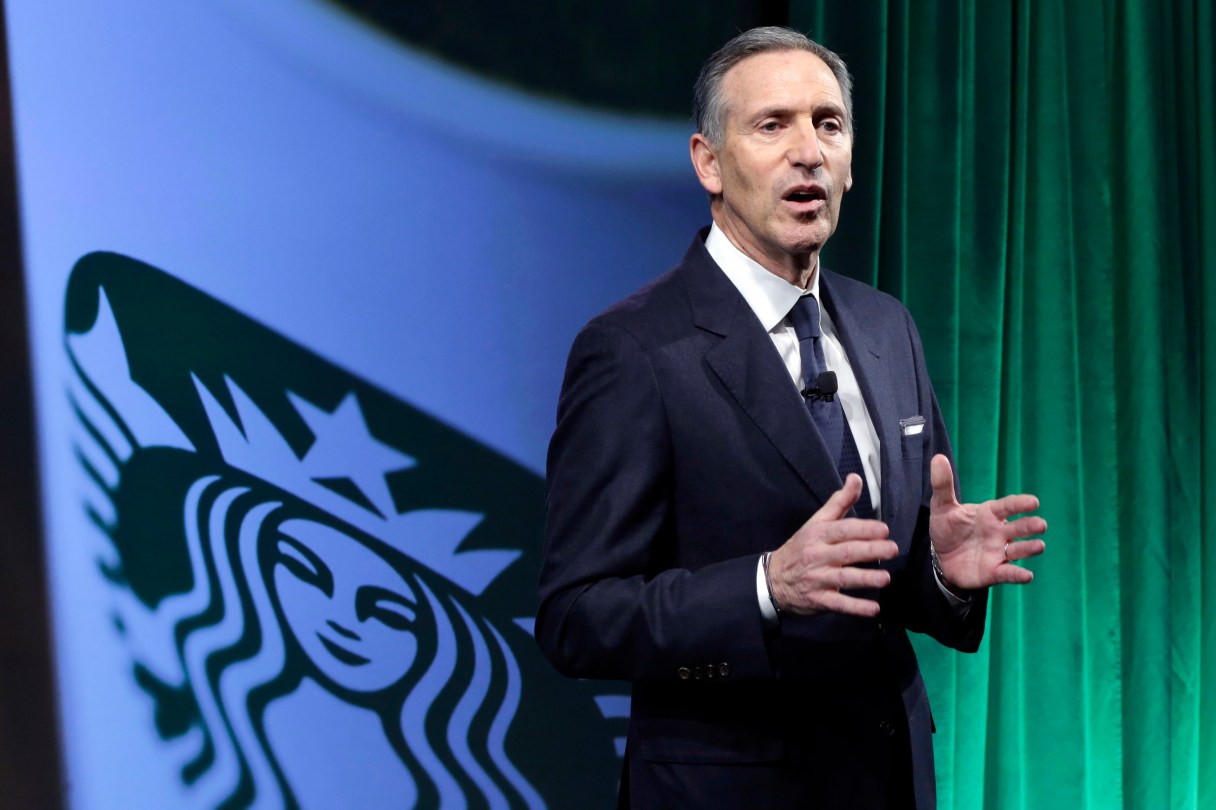
FILE- In this Dec. 7, 2016, file photo, Starbucks Chairman and CEO Howard Schultz speaks during the Starbucks 2016 Investor Day meeting in New York. Starbucks says it will hire 10,000 refugees over the next five years, a response to President Donald Trump's indefinite suspension of Syrian refugees and temporary travel bans that apply to six other Muslim-majority nations. Schultz said in a letter to employees Sunday, Jan. 29, 2017, that the hiring would apply to stores worldwide. (AP Photo/Richard Drew, File)
FILE- In this Dec. 7, 2016, file photo, Starbucks Chairman and CEO Howard Schultz speaks during the Starbucks 2016 Investor Day meeting in New York. Starbucks says it will hire 10,000 refugees over the next five years, a response to President Donald Trump's indefinite suspension of Syrian refugees and temporary travel bans that apply to six other Muslim-majority nations. Schultz said in a letter to employees Sunday, Jan. 29, 2017, that the hiring would apply to stores worldwide. (AP Photo/Richard Drew, File) FILE- In this Dec. 7, 2016, file photo, Starbucks Chairman and CEO Howard Schultz speaks during the Starbucks 2016 Investor Day meeting in New York. Starbucks says it will hire 10,000 refugees over the next five years, a response to President Donald Trump's indefinite suspension of Syrian refugees and temporary travel bans that apply to six other Muslim-majority nations. Schultz said in a letter to employees Sunday, Jan. 29, 2017, that the hiring would apply to stores worldwide. (AP Photo/Richard Drew, File)

NEW YORK (AP) – CEOs of some of the world’s biggest companies are fighting back against President Donald Trump’s temporary immigration ban, calling it un-American and bad for business.

The heads of Apple, Ford and Goldman Sachs said that they don’t support the executive order the president signed last week, which bans immigrants from seven Muslim-majority countries from entering the U.S. Google said it is donating cash to organizations that support immigrants. Other companies said they will help employees affected by the ban or, in the case of Starbucks, hire refugees.

Businesses already have a complicated relationship with Trump, who has been openly critical of companies planning to build plants in Mexico or charge what he sees as too much for fighter jets. Some have announced hiring plans and investments in the U.S., saying they like Trump’s plans to reduce regulation and lower corporate taxes.

But the corporate reaction to the executive order was strong, quick and harsh.

“This is unprecedented,” said Bill Klepper, an adjunct management professor at Columbia Business School in New York.