
Thursday, October 29, 2026Oct 29

This story is free to read.

Illinois lawmakers return after missing key budget deadline

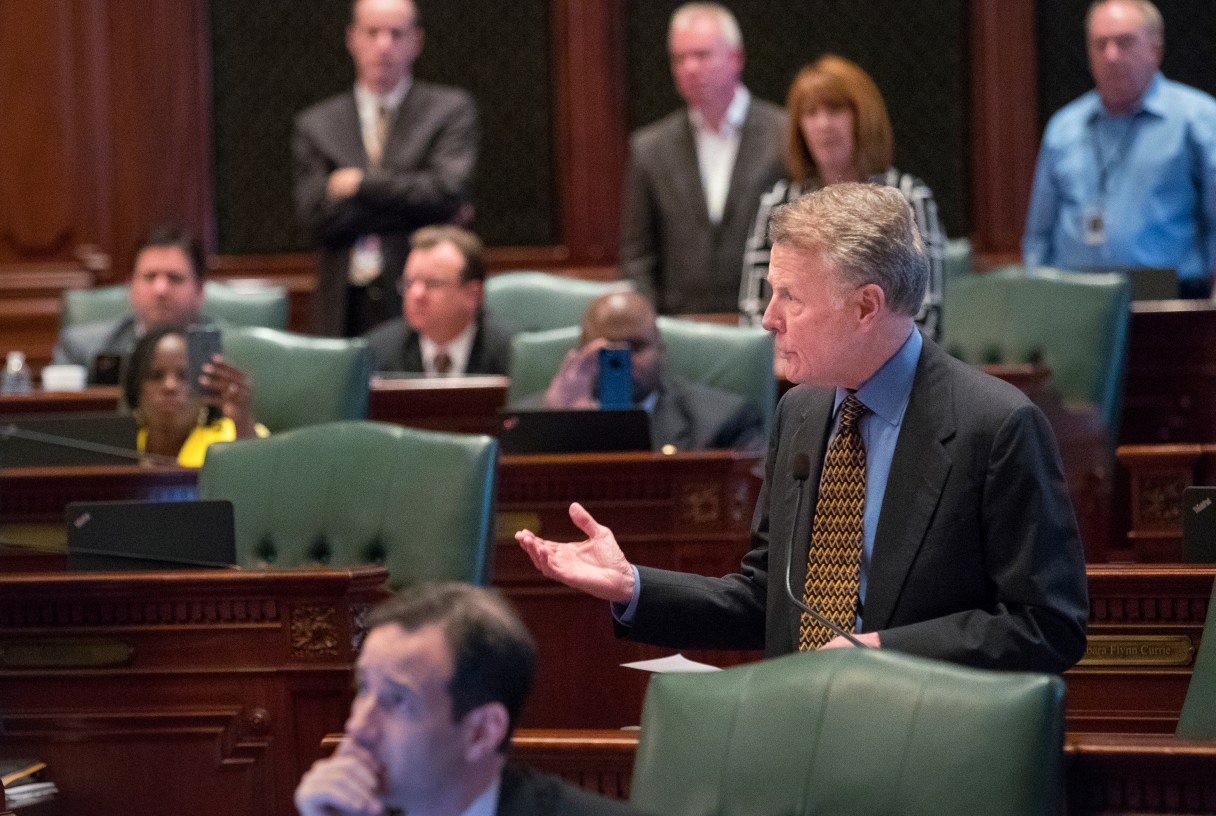
Illinois House Speaker Michael Madigan, D-Chicago, thanks House members following a vote to adopt a spending bill amendment in Springfield, Ill., on Friday, June 30, 2017. Madigan said more work needs to be done, including final negotiations on a tax increase package that is needed to ensure the budget will be in balance. (Ted Schurter/The State Journal-Register via AP)
Illinois House Speaker Michael Madigan, D-Chicago, thanks House members following a vote to adopt a spending bill amendment in Springfield, Ill., on Friday, June 30, 2017. Madigan said more work needs to be done, including final negotiations on a tax increase package that is needed to ensure the budget will be in balance. (Ted Schurter/The State Journal-Register via AP) Illinois House Speaker Michael Madigan, D-Chicago, thanks House members following a vote to adopt a spending bill amendment in Springfield, Ill., on Friday, June 30, 2017. Madigan said more work needs to be done, including final negotiations on a tax increase package that is needed to ensure the budget will be in balance. (Ted Schurter/The State Journal-Register via AP)

SPRINGFIELD, Ill. (AP) – Illinois lawmakers are returning to work Saturday after missing a key deadline to prevent the state from starting an unprecedented third consecutive fiscal year without a budget, which means the state is entering dangerous territory.

A $36.5 billion plan to rebuild Illinois’ crumbling finances passed a critical test on Friday, but no deal was reached before a midnight deadline.

Without a budget, the state comptroller will be unable to cover basic services ordered by courts, road construction and Powerball ticket sales could halt, and the state’s credit rating could be downgraded to “junk.”

The fiscal morass is the longest of any state since at least the Great Depression, with Illinois ringing up a $6.2 billion annual deficit and a $14.7 billion stack of past-due bills.

Democrats who control the Legislature said the latest proposal, which won a preliminary 90-25 vote in the House on Friday, would be fueled by a $5 billion income tax increase and $2.4 billion in spending reductions. Revenue details have yet to appear in the legislation, but lawmakers weary of the two-year standoff with Republican Gov. Bruce Rauner approved the spending outline.