
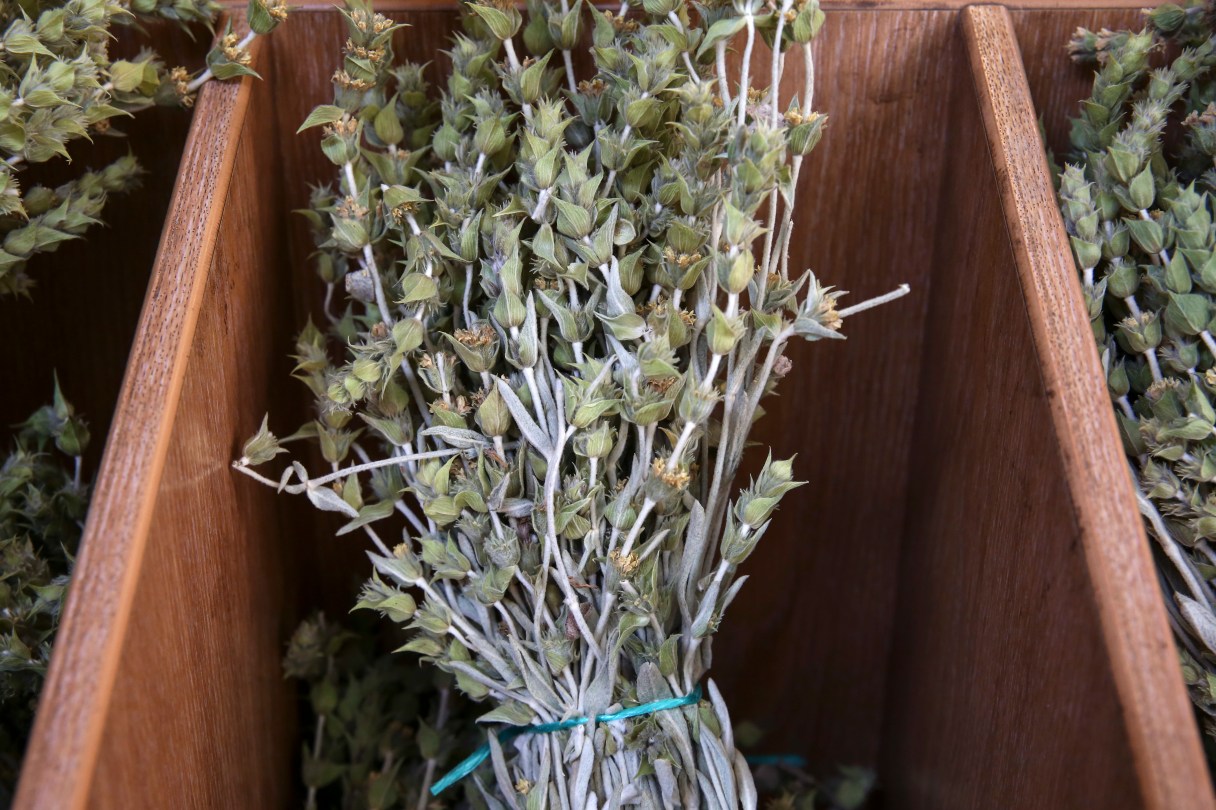
THESSALONIKI, Greece (AP) – In the rugged, herb-scented mountains of northwestern Greece, where the border with Albania is a snaking invisible line, trouble is brewing over tea – the wild herbal variety.
Greek authorities and conservationists say bands of impoverished Albanians are making regular cross-border forays, illegally harvesting donkey-loads of herbs and medicinal plants. They mostly pick mountain tea – also called ironwort – hawthorn and even primrose, but they are also destroying rare and endangered species in the process.
The looters then sell the herbs for export to pharmaceutical or cosmetics companies, a business that nets Albanian wholesalers tens of millions annually.
It’s illegal in Greece to pick more than a tiny quantity of wild herbs for personal use in traditional infusions. That ban doesn’t exist in Albania, one of Europe’s poorest nations. But, more significantly, the plants are usually uprooted in the looters’ haste to pick as much as possible and be off undetected. This stops natural regeneration, threatens delicate ecosystems and leaves entire mountainsides denuded.
Albanians contend the herbs are there and the Greeks don’t pick them, so why shouldn’t somebody profit?