
MEXICO CITY (AP) – The armed, masked gang members showed up on a motorcycle at the home in northern Honduras last fall with a stark warning for the occupants: Leave town within 24 hours, or else.
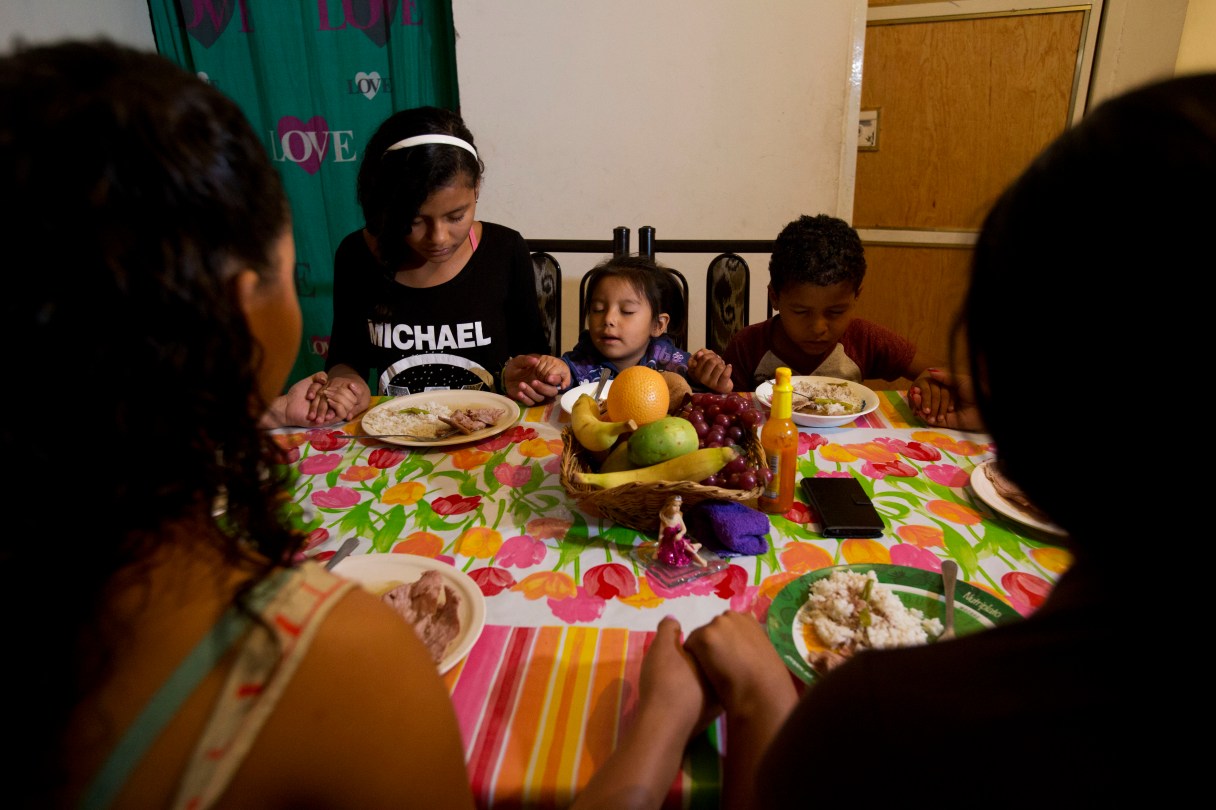
Laura Maria Cruz Martinez, another single mother and the nine kids in their care hurriedly threw clothing and personal items into bags and made for the border before dawn, their home abandoned with the furniture and appliances left in place.
Nine months later they’re together again in two adjacent apartments in a working-class neighborhood of eastern Mexico City. It hasn’t always been easy adjusting to this megalopolis of 20 million-plus, with its crowded subway and unfamiliar, slang-heavy Spanish, but at least they’re safe from the gangs rampaging back home.
All eleven were recognized as refugees by Mexico in March and granted asylum, making them part of a growing wave of refugees from Honduras, El Salvador and Guatemala who are resettling here instead of trying to reach the United States, which many see as increasingly hostile.
The rise in refugee resettlement in Mexico has paralleled a decrease in immigration to the United States, with apprehensions by U.S. Border Patrol down sharply at the frontier – especially of unaccompanied children and families like Cruz’s.