
SEOUL, South Korea (AP) – Sports ties between North and South Korea often mirror their rocky political ties.
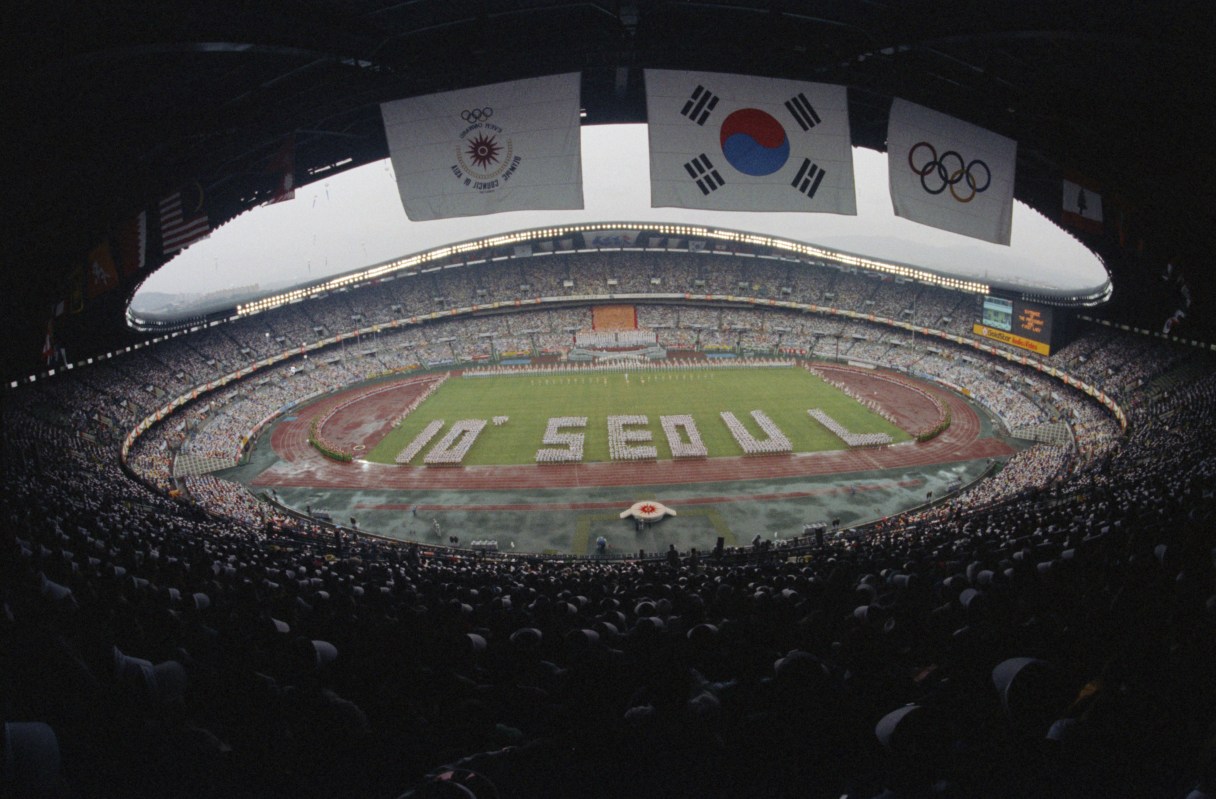
A low point was when North Korean medalists ignored South Korean rivals who tried to shake their hands at podiums ahead of the North’s boycott of the 1988 Seoul Olympics.
During good times, and especially during the so-called Sunshine Era of the late ’90s and 2000s, when the South tried to engage the North with huge aid shipments, the Koreas sent unified teams to international competitions and allowed their athletes to parade together at Olympic ceremonies.
With seven months until the Pyeongchang Olympics, South Korea’s new President Moon Jae-in wants North Korea to attend the Winter Games as a way to encourage reconciliation on the divided Korean Peninsula. Success will depend largely on whether the Koreas can avoid the violence and animosity that has ruined sports cooperation throughout their history.
Some key moments in Korean sports: