
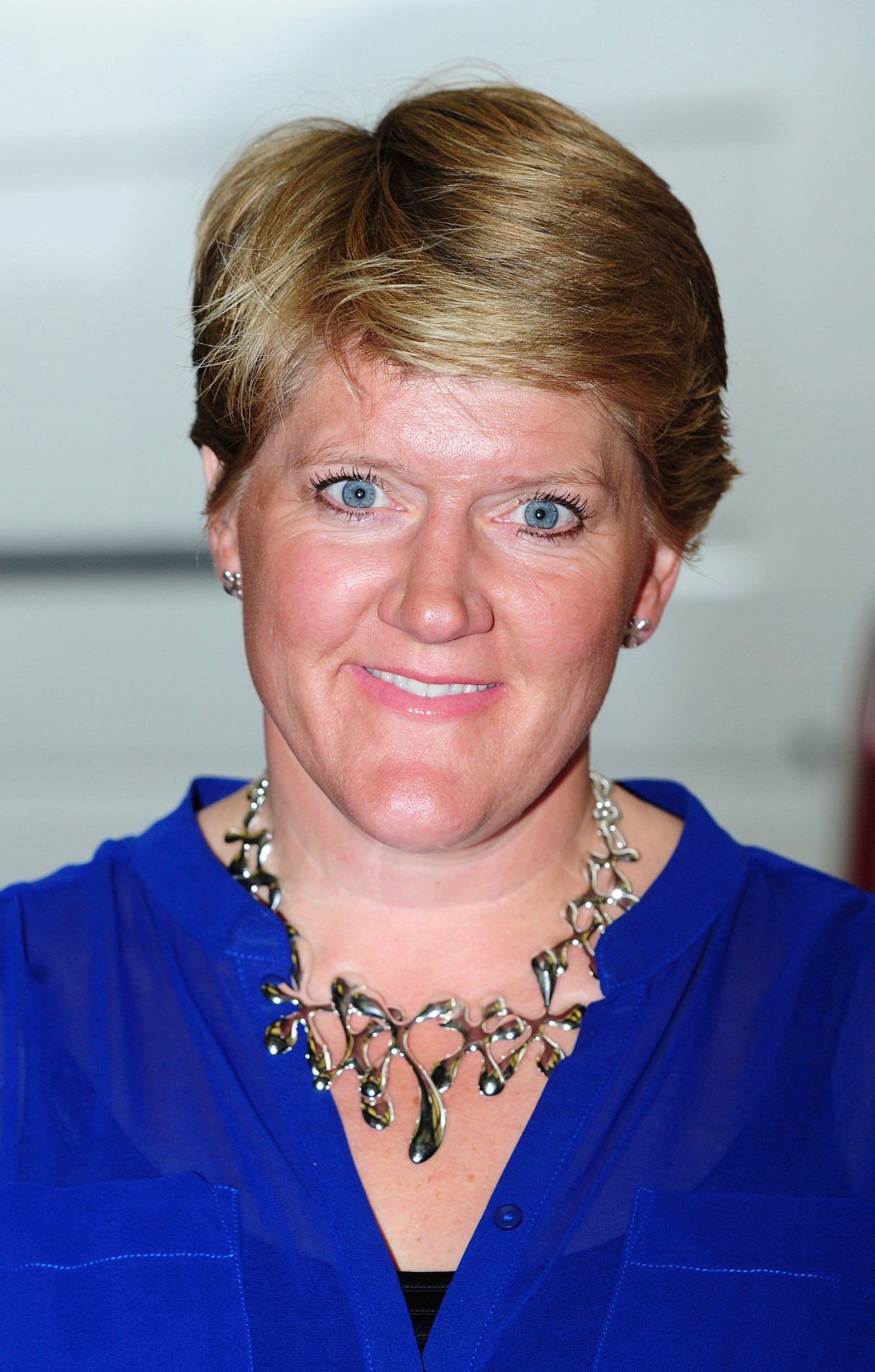
LONDON (AP) – Prominent women at the BBC want the broadcaster’s gender pay gap to be resolved immediately rather than in several years.
TV personalities including Clare Balding, Victoria Derbyshire and others wrote an open letter Sunday to the BBC’s top manager saying that plans to resolve the company’s gender pay gap must be accelerated.
Documents made public last week showed that male BBC TV and radio personalities make substantially more than their female counterparts. The salary disparity came to light after the publicly funded BBC was forced to publish the salary range of its best-paid actors and presenters.
The list showed that two-thirds of the highest earners were men, with the highest-paid woman earning less than a quarter of the highest-earning male star. Many BBC men were found to be receiving far higher salaries than women in comparable jobs.
The open letter to BBC Director-General Tony Hall says the documents confirmed a long-held suspicion that “women at the BBC are being paid less than men for the same work.” It urged Hall to fix the disparity “now” rather than in 2020, as has been suggested.