
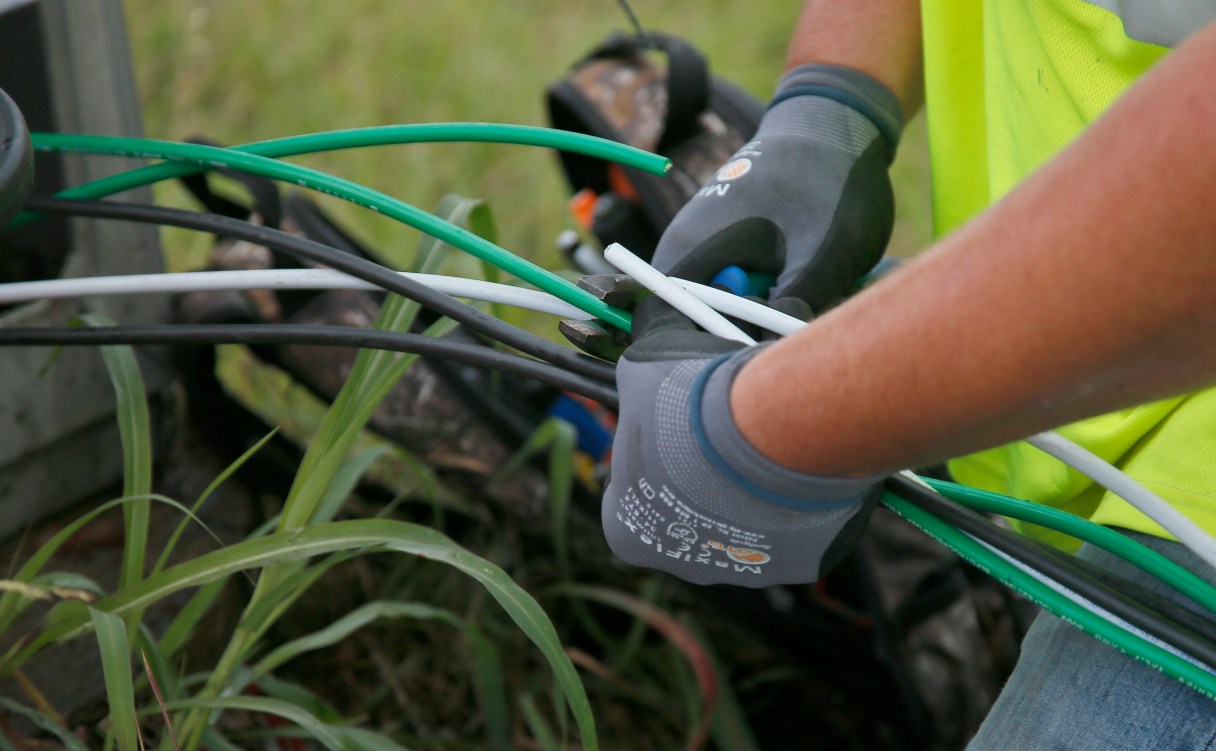
TULSA, Okla. (AP) – For years, residents in this cash-strapped city watched helplessly as thieves gutted 33 miles (53 kilometers) of streetlight wiring, plunging long stretches of roadway into darkness. The thousands of dollars criminals pocketed at off-the-books salvage yards wreaked millions of dollars in damage.
Now Tulsa is scrambling to make patchwork repairs to its decimated grid, opting for a quick fix to appease frustrated motorists, including 48-year-old resident Bill White, who says broken streetlights could become a liability for the city and a hazard for drivers, not to mention an eyesore.
“If I’m visiting the city from the airport, what’s going to be my first impression?” White said. “Am I still in the country?”
Copper thieves have pillaged lighting grids in cities large and small across the nation, causing municipal budgets to skyrocket. Law enforcement agencies estimated that the copper theft racket was costing cities $1 billion a year. At peak demand, copper went for around $4 per pound; it fetches about half that now. Scrap aluminum hovers around 40 cents.
The lighting dilemma in Tulsa also tells the larger story of the country’s deteriorating infrastructure due to decades of neglect, deferred maintenance and unwillingness by officials to make tough funding decisions. Many bridges and overpasses are obsolete; roads are pocked with potholes; sewer systems are time bombs. Some federal officials estimated it would take about $1 trillion to fix the mess.