
Perfecting the Soft Catch
When your partner slips, your first instinct may be to lock down the rope quickly. While that may keep him or her from falling too far, it could cause your partner to slam into the wall. Great belayers are masters of the “soft catch,” which, when done right, can make a fall feel like sinking into a seat. Essentially, all that means is providing a little slack at the bottom of your partner’s swing back to the wall.Have a partner take some falls in a controlled environment to practice giving a soft catch:» Watch as the climber falls and get ready, locking your brake hand and bending your knees slightly.» Right as you feel the tug on your harness, go up on your toes or give a small hop, letting the climber’s descent pull you up. (If you’re lighter than your climbing partner, be sure to put your feet out so you can land safely against the wall.)» Because soft catches lengthen the fall, use them only when the leader is high on the wall. Do not use if the climber may hit the ground, a ledge or a bulge in the wall.
 Anthony Beasley works to belay a climber during one of Outdoor Chattanooga’s spring open-climb sessions at the Walnut Wall in Coolidge Park.
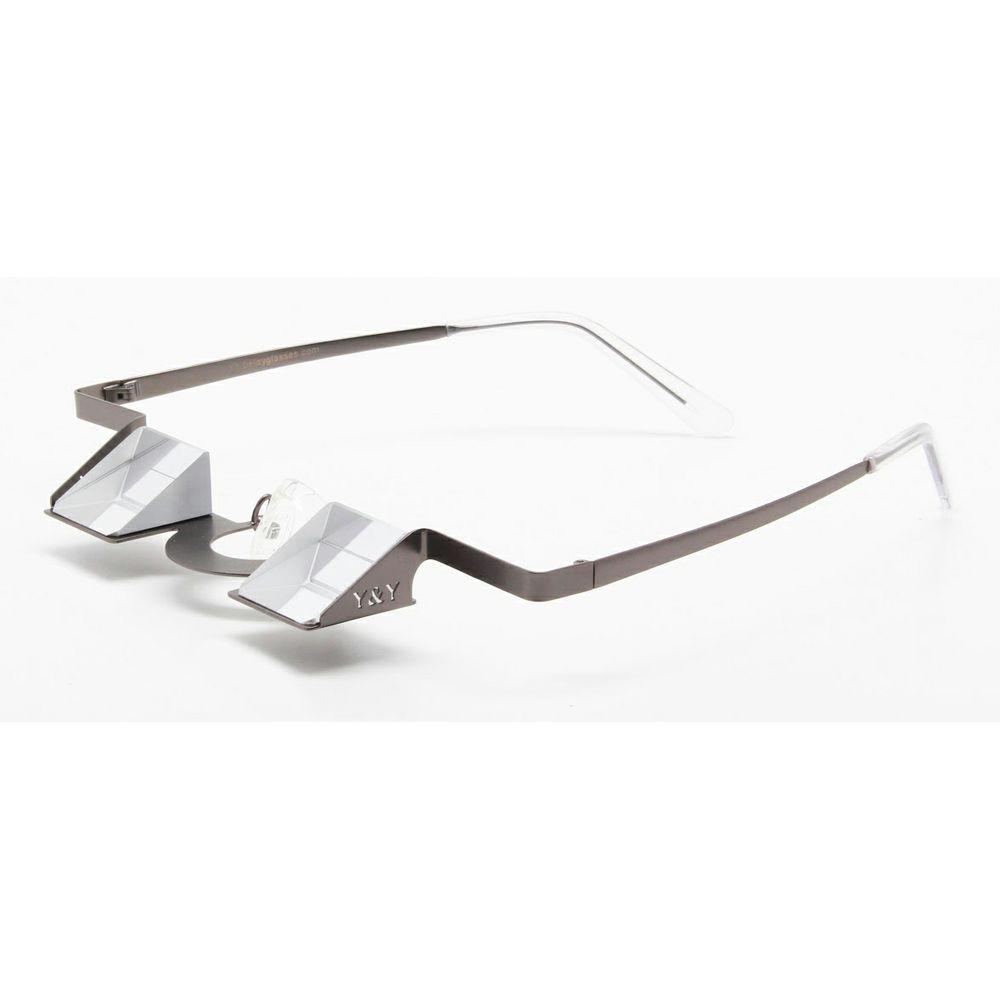 Eyes on the Prize: Belaying can, quite literally, be a pain in the neck. And the shoulders. And the back. To avoid the infamous “belayer’s neck” that comes from staring up at your partner all day, consider investing in a pair of Y&Y Vertical’s Classic Belay Glasses. The prism spectacles lets you keep an eye on your partner without straining the muscles in your neck. (yy-belayglasses.com)

If you think you’re a great belayer, UTC Climbing Wall Lead Matt Somers has news for you: You’re probably not.
But don’t worry. Most climbers aren’t.
“There’s a lot of people that can climb really strong, but a whole lot of bad belayers out there,” Somers says.
Though the skill is often taken for granted, investing time to perfect the art of belaying is just as important as hitting the climbing wall. Not only can belay skills ensure greater protection for the leader, they can also create opportunities for you to climb with more people – because everyone loves a great belayer.