
KAMPALA, Uganda (AP) – South Sudan has sharply increased the fees required for foreigners to work in the country – from roughly $100 to up to $10,000 – just days after famine was declared there.
Even before the fee hike, the government had been repeatedly accused of restricting humanitarian aid access during the country’s three-year civil war. With the famine declaration, the pleas for access are rising.
The Ministry of Labor raised work permit fees to anywhere from $10,000 to $1,000 depending on skill level, according to a memorandum dated Thursday.
Minister of Information Michael Makuei told The Associated Press on Saturday that the fee hikes apply only to foreigners and are aimed at increasing government revenue.
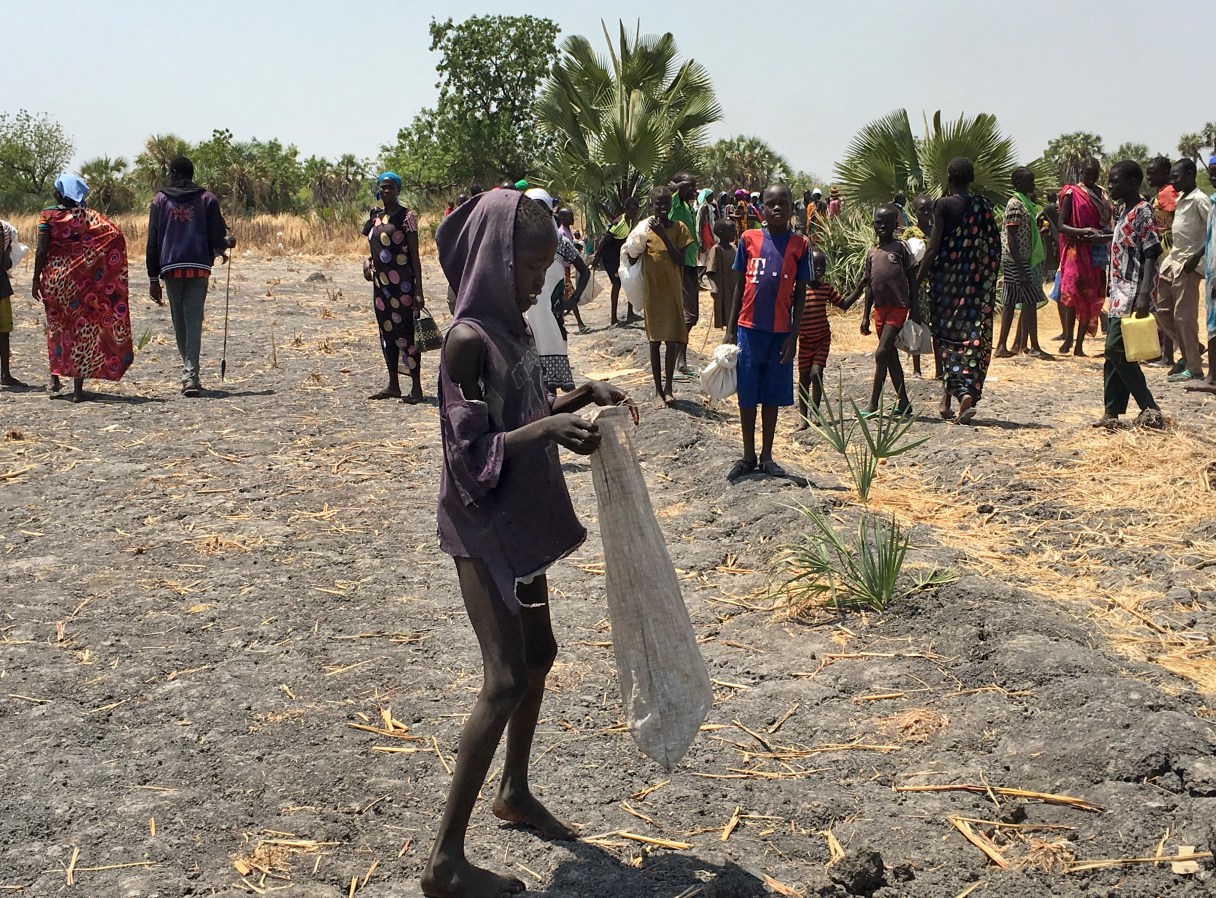
South Sudan’s government and the United Nations late last month declared a famine in two counties of the East African nation, saying about 100,000 people are at risk. The next day, President Salva Kiir said his government would ensure “unimpeded access” for all aid organizations.