
Monday, November 16, 2026Nov 16

Caveman menu: Woolly rhino in Belgium, mushrooms in Spain

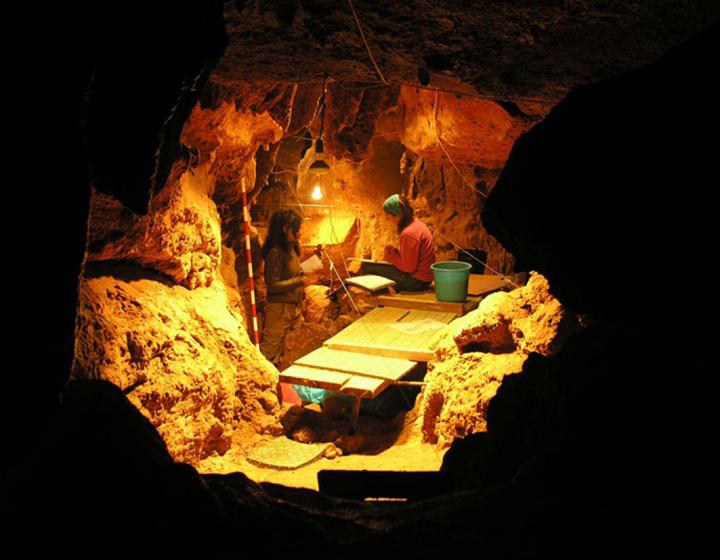
In this photo provided by Antonio Rosas, Paleoanthropology Group MNCN-CSIC, shows work in the Tunnel of Bones cave, where 12 Neanderthal specimens dating around 49,000 years ago have been recovered. Scientists got a sneak peek into the kitchen and medicine cabinets of three Neanderthals by examining the DNA of the stuff stuck on and between their teeth. What they found smashes a common meaty misconception of the caveman diet and hints that one sickly Neanderthal had found what may be primitive versions of penicillin and aspirin to help him with his pain. (Antonio Rosas/Paleoanthropology Group MNCN-CSIC via AP)

WASHINGTON (AP) – Eating like a caveman meant chowing down on woolly rhinos and sheep in Belgium, but munching on mushrooms, pine nuts and moss in Spain. It all depended on where they lived, new research shows.

Scientists got a sneak peek into the kitchen of three Neanderthals by scraping off the plaque stuck on their teeth and examining the DNA. What they found smashes a common public misconception that the caveman diet was mostly meat. They also found hints that one sickly teen used primitive versions of penicillin and aspirin to help ease his pain.

The dental plaque provides a lifelong record of what went in the Neanderthals’ mouths and the bacteria that lived in their guts, said study co-author Alan Cooper, director of the Australian Centre for Ancient DNA in Adelaide.

“It’s like a fossil,” he said.

While past studies showed varied Neanderthal diets, genetic testing allowed researchers to say what kind of meat or mushrooms they ate, Cooper said. The 42,000-year-old Belgian Neanderthal’s menu of sheep and woolly rhino reflected what roamed in the plains around the Neanderthal’s home, he said. The research is in Wednesday’s journal Nature .