
Monday, November 16, 2026Nov 16

Nightclub shooting victims sue gunman’s employer, wife

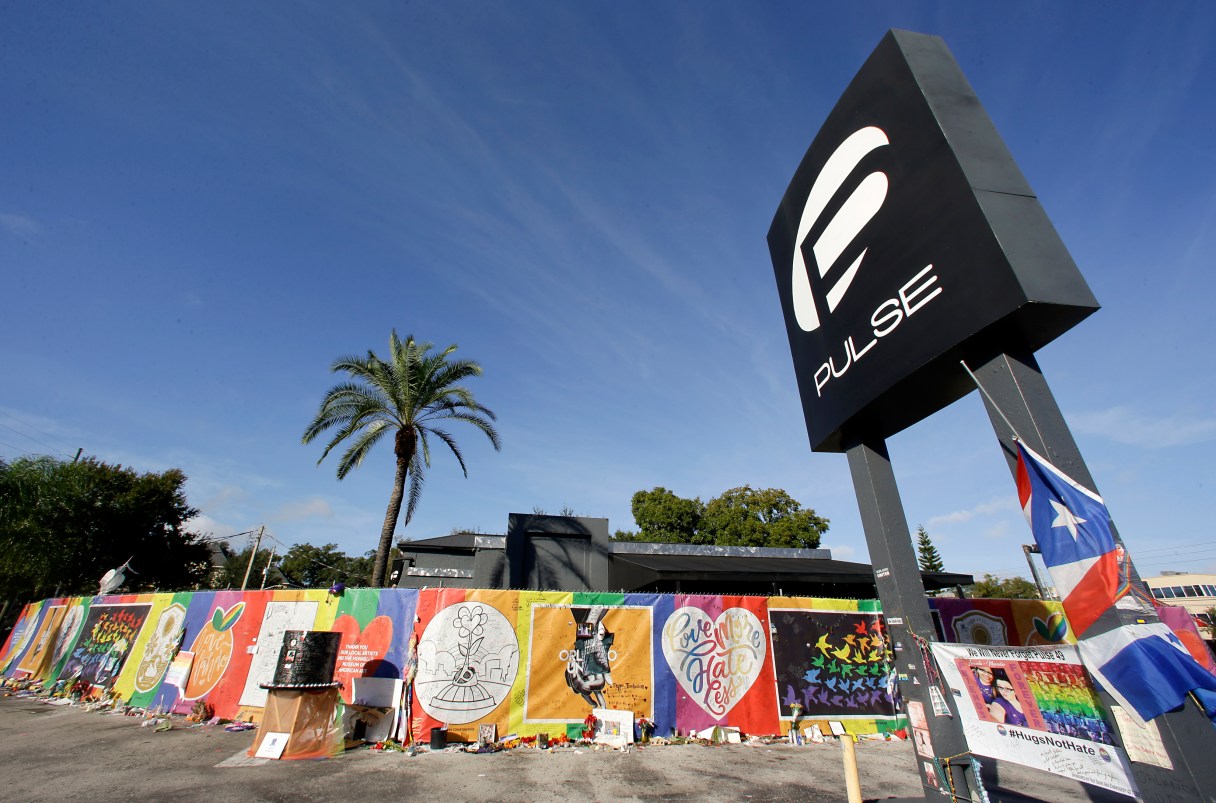
FILE - In this  Nov. 30, 2016 file photo, artwork and signatures cover a fence around the Pulse nightclub, scene of a mass shooting, in Orlando, Fla.  A personal injury attorney representing some of the families and survivors of the Orlando nightclub massacre filed a lawsuit Wednesday, March 22, 2017,  against the gunman's employer and wife, claiming they were able to stop Omar Mateen before the attack but didn't. The lawsuit was filed  in federal court in South Florida on behalf of more than four dozen of the survivors and family members of those killed at Pulse nightclub last June.  (AP Photo/John Raoux)
FILE - In this Nov. 30, 2016 file photo, artwork and signatures cover a fence around the Pulse nightclub, scene of a mass shooting, in Orlando, Fla. A personal injury attorney representing some of the families and survivors of the Orlando nightclub massacre filed a lawsuit Wednesday, March 22, 2017, against the gunman's employer and wife, claiming they were able to stop Omar Mateen before the attack but didn't. The lawsuit was filed in federal court in South Florida on behalf of more than four dozen of the survivors and family members of those killed at Pulse nightclub last June. (AP Photo/John Raoux)

ORLANDO, Fla. (AP) – A personal injury attorney representing some of the families and survivors of the Orlando nightclub massacre filed a lawsuit Wednesday against the gunman’s employer and wife, claiming they were able to stop Omar Mateen before the attack but didn’t.

The lawsuit was filed Wednesday in federal court in South Florida on behalf of more than four dozen of the survivors and family members of those killed at Pulse nightclub last June. Forty-nine people were killed during the worst mass shooting in modern U.S. history at the gay nightclub. Dozens more were injured.

The lawsuit claims wrongful death, negligence and other counts.

Personal injury attorney Antonio Romanucci said Mateen’s employer, international security company G4S, knew he was mentally unstable yet allowed him to carry a gun in his job as a security guard. Mateen had a firearm license through his job, Romanucci told The Associated Press in an interview.

“Mateen gave out so many warnings that someone should have reined this guy in,” Romanucci said. “They should have said, ‘You are not stable. You shouldn’t have a weapon.'”