
Thursday, October 29, 2026Oct 29

This story is free to read.

A look at issues now that Britain has started to leave EU

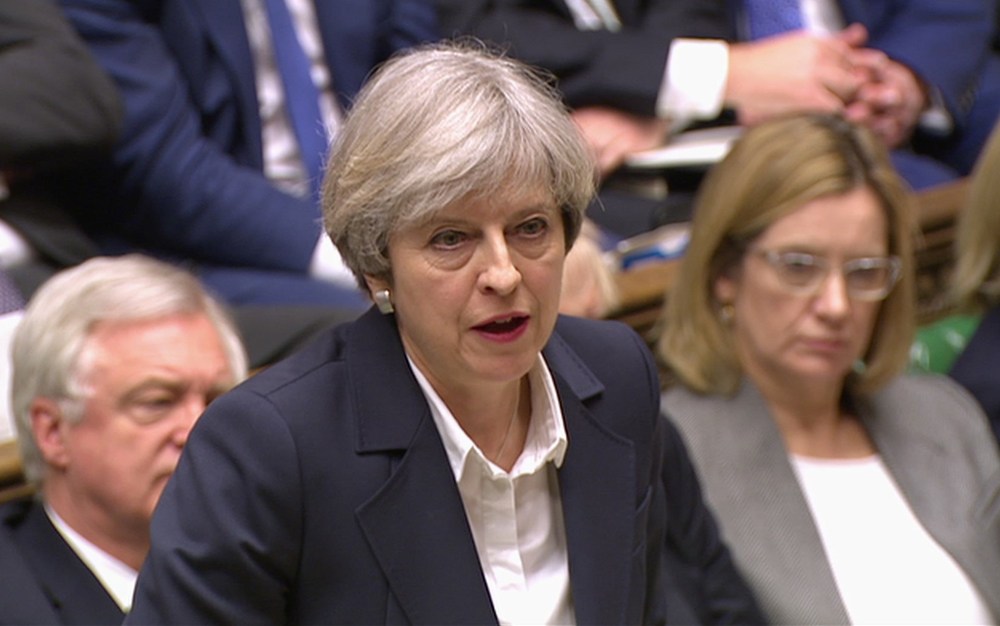
Britain's Prime Minister Theresa May speaks in the House of Commons in London  in this image taken from video  Wednesday March 29, 2017. May will announce to Parliament that Britain is set to formally file for divorce from the European Union Wednesday, ending a 44-year relationship, enacting the decision made by U.K. voters in a referendum nine months ago and launching both Britain and the bloc into uncharted territory.  (Parliamentary Recording Unit  via AP)
Britain's Prime Minister Theresa May speaks in the House of Commons in London in this image taken from video Wednesday March 29, 2017. May will announce to Parliament that Britain is set to formally file for divorce from the European Union Wednesday, ending a 44-year relationship, enacting the decision made by U.K. voters in a referendum nine months ago and launching both Britain and the bloc into uncharted territory. (Parliamentary Recording Unit via AP) Britain's Prime Minister Theresa May speaks in the House of Commons in London in this image taken from video Wednesday March 29, 2017. May will announce to Parliament that Britain is set to formally file for divorce from the European Union Wednesday, ending a 44-year relationship, enacting the decision made by U.K. voters in a referendum nine months ago and launching both Britain and the bloc into uncharted territory. (Parliamentary Recording Unit via AP)

LONDON (AP) – British Prime Minister Theresa May says Britain’s exit from the European Union is an opportunity to build an “independent, self-governing, global Britain.” As Britain officially starts the two-year leaving process, here’s a look at some of the challenges ahead:

WHAT’S AT STAKE?

Negotiations will determine future relations between Britain’s estimated 65 million people and the roughly 435 million people living in the 27 other EU countries. Key questions include whether they will be able to live, work and study in each other’s countries and how freely goods and services can be transported between Britain and the EU.

MONEY, MONEY, MONEY

The EU says Britain can’t leave without settling its bill, paying up for the U.K.’s share of staff pensions and projects it has already agreed to fund. European Commission President Jean-Claude Juncker has put the figure at around 50 billion euros ($63 billion). Britain agrees it will have to pay something, but is sure to quibble over how much.