
Tuesday, November 3, 2026Nov 3

This story is free to read.

US enrolls volunteers in large test of possible Zika vaccine

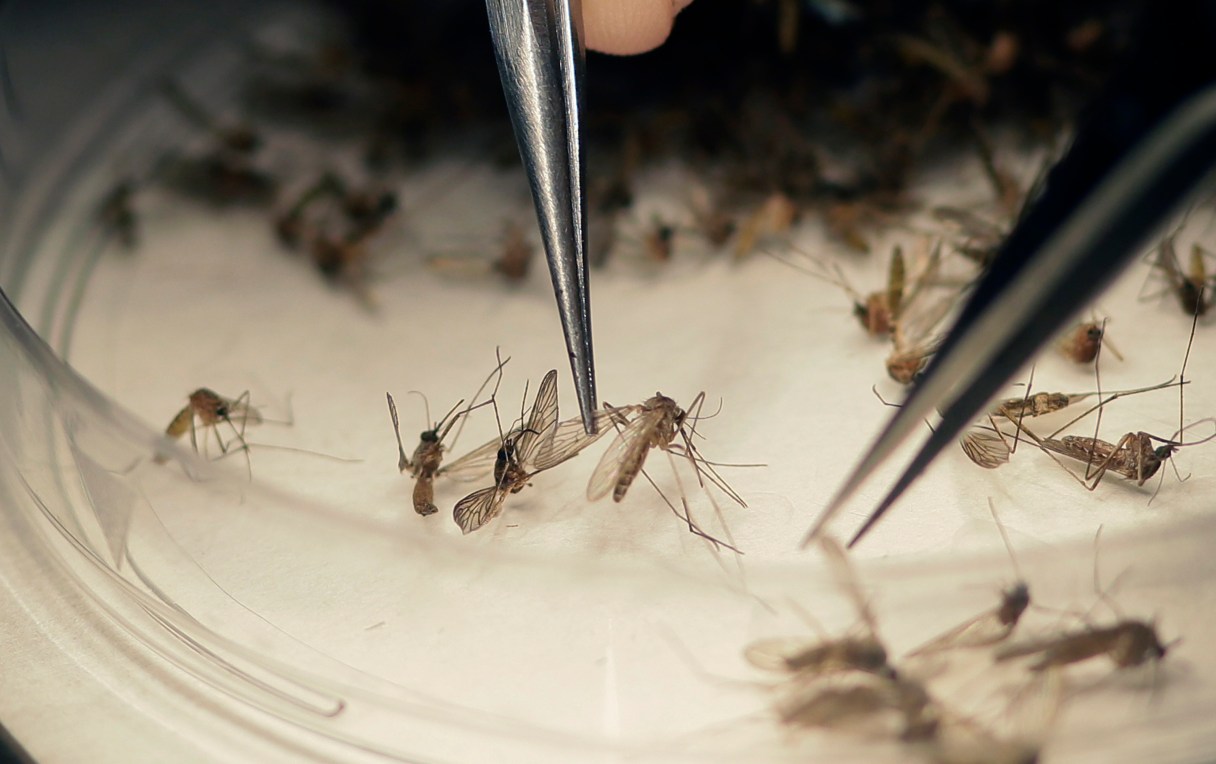
FILE-In this Feb. 11, 2016 file photo, Dallas County Mosquito Lab microbiologist Spencer Lockwood sorts mosquitos collected in a trap in Hutchins, Texas, that had been set up in Dallas County near the location of a confirmed Zika virus infection. U.S. health officials have begun enrolling volunteers for critical next-stage testing of an experimental vaccine to protect against Zika, the mosquito-borne virus that can cause devastating birth defects in pregnant women. (AP Photo/LM Otero, File)
FILE-In this Feb. 11, 2016 file photo, Dallas County Mosquito Lab microbiologist Spencer Lockwood sorts mosquitos collected in a trap in Hutchins, Texas, that had been set up in Dallas County near the location of a confirmed Zika virus infection. U.S. health officials have begun enrolling volunteers for critical next-stage testing of an experimental vaccine to protect against Zika, the mosquito-borne virus that can cause devastating birth defects in pregnant women. (AP Photo/LM Otero, File) FILE-In this Feb. 11, 2016 file photo, Dallas County Mosquito Lab microbiologist Spencer Lockwood sorts mosquitos collected in a trap in Hutchins, Texas, that had been set up in Dallas County near the location of a confirmed Zika virus infection. U.S. health officials have begun enrolling volunteers for critical next-stage testing of an experimental vaccine to protect against Zika, the mosquito-borne virus that can cause devastating birth defects in pregnant women. (AP Photo/LM Otero, File)

WASHINGTON (AP) – U.S. health officials are enrolling volunteers for critical next-stage testing of an experimental vaccine to protect against Zika, the mosquito-borne virus that can cause devastating birth defects in pregnant women.

The first volunteer was vaccinated Wednesday at Baylor College of Medicine. National Institutes of Health researchers aim to enroll at least 2,400 people in Texas, Florida, Puerto Rico and five at-risk countries: Brazil, Mexico, Panama, Costa Rica and Peru.

The NIH says the shots passed preliminary safety tests. The larger study aims to determine whether the shots can protect.

Zika caused a large outbreak in parts of Latin America and the Caribbean last year. The U.S. risk has largely been to travelers, although mosquitoes spread the virus in parts of southern Florida and Texas last year.