
Friday, November 13, 2026Nov 13

Lawyers: Wells Fargo created about 3.5 million fake accounts

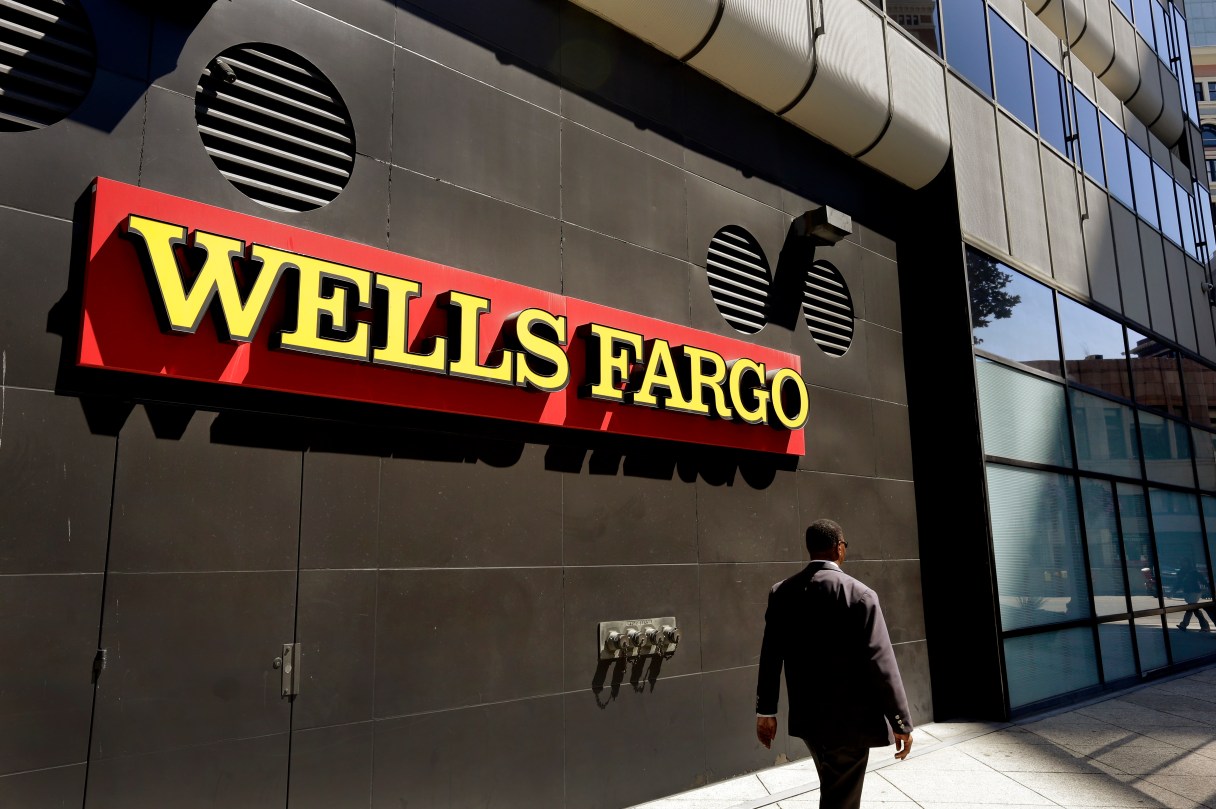
FILE - In this July 14, 2014 file photo, a man passes by a Wells Fargo bank office in Oakland, Calif. Lawyers suing Wells Fargo on behalf of aggrieved customers say in court filing late Thursday, May 11, 2017, the bank may have opened about 3.5 million unauthorized accounts, far more than the figure bank and regulators disclosed last year. (AP Photo/Ben Margot, File)
FILE - In this July 14, 2014 file photo, a man passes by a Wells Fargo bank office in Oakland, Calif. Lawyers suing Wells Fargo on behalf of aggrieved customers say in court filing late Thursday, May 11, 2017, the bank may have opened about 3.5 million unauthorized accounts, far more than the figure bank and regulators disclosed last year. (AP Photo/Ben Margot, File) FILE - In this July 14, 2014 file photo, a man passes by a Wells Fargo bank office in Oakland, Calif. Lawyers suing Wells Fargo on behalf of aggrieved customers say in court filing late Thursday, May 11, 2017, the bank may have opened about 3.5 million unauthorized accounts, far more than the figure bank and regulators disclosed last year. (AP Photo/Ben Margot, File)

SAN FRANCISCO (AP) – Lawyers representing aggrieved customers suing Wells Fargo have said the bank may have opened about 3.5 million unauthorized accounts, far more than bank and regulators disclosed last year.

In a court filing late Thursday, lawyers representing customers told a federal judge in San Francisco that they believe bank workers created the unauthorized accounts over the last 15 years, “based on public information, negotiations, and confirmatory discovery.”

The bank initially estimated about 2 million unauthorized accounts were opened dating back to 2009. Last month, the bank said the problem dates back to 2002.

Bank spokesman Ruben Pulido said Friday that the lawyers’ claim was an unverified estimate.

“The unauthorized account numbers reported in the filing are estimates made by plaintiffs’ attorneys based on a hypothetical scenario and have not been verified,” Pulido said. “The number of unauthorized accounts estimated in the filing do not reflect actual unauthorized accounts.”