
MONTREAL (AP) – The lurid details – dark-of-night swapping of tainted urine samples with clean ones through a hole cut into the wall – have been confirmed by an independent investigator who delivered a 144-page report with the proof.
The reaction of policymakers to the unprecedented level of anti-doping corruption in Olympic sports has been nowhere near as headline-grabbing.
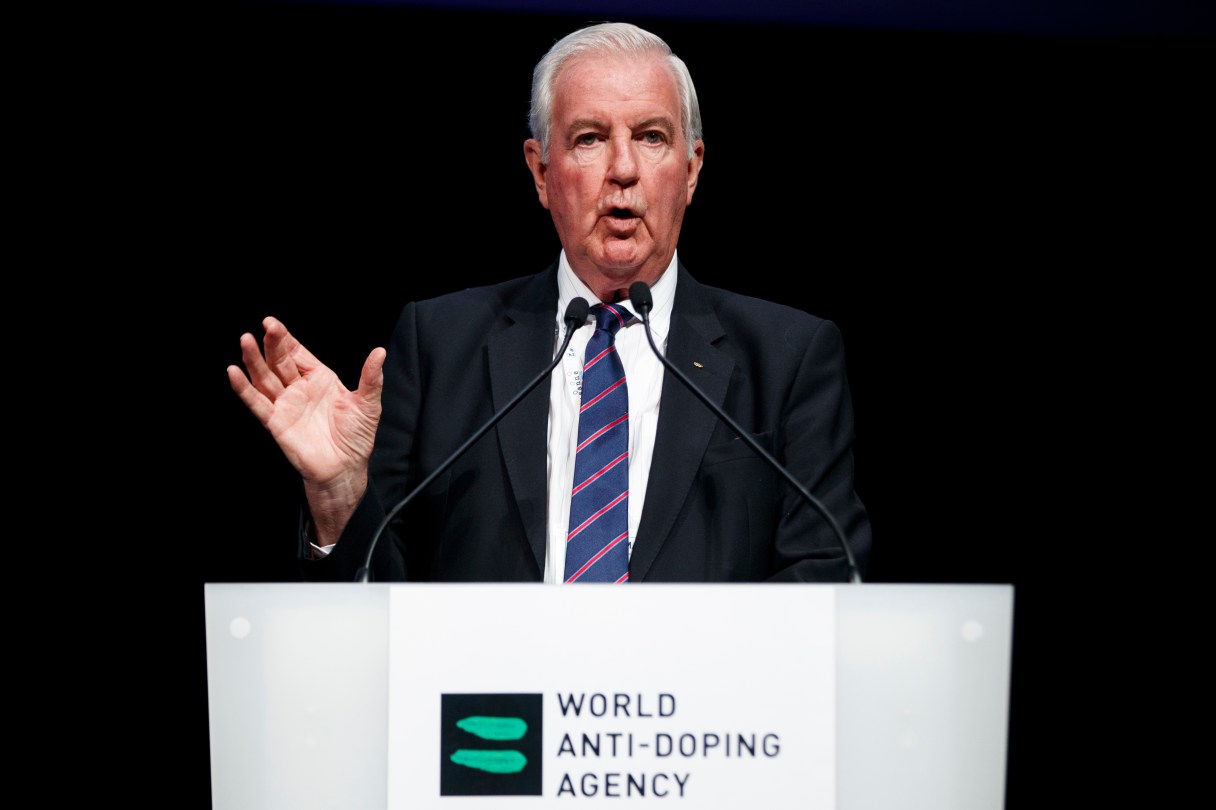
On Thursday, a bit over a year after The New York Times revealed the sordid specifics of a doping scandal that pervaded Russia’s Olympic team, the World Anti-Doping Agency’s governing board meets. The board won’t so much enact drastic measures for Russia or for WADA’s own flawed set of deterrents as it will try to gain fractions along a miles-long road of needed reforms.
The most pressing matter: With nine months until the Winter Olympics, there are few signs of what, if any, price the Russian Olympic team will pay for the corruption that has been unmasked in that country.
Investigator Richard McLaren’s report, released last December, found that more than 1,000 Russian athletes competing in summer, winter and Paralympic sports could have been involved or benefited from manipulations to conceal positive doping tests.