
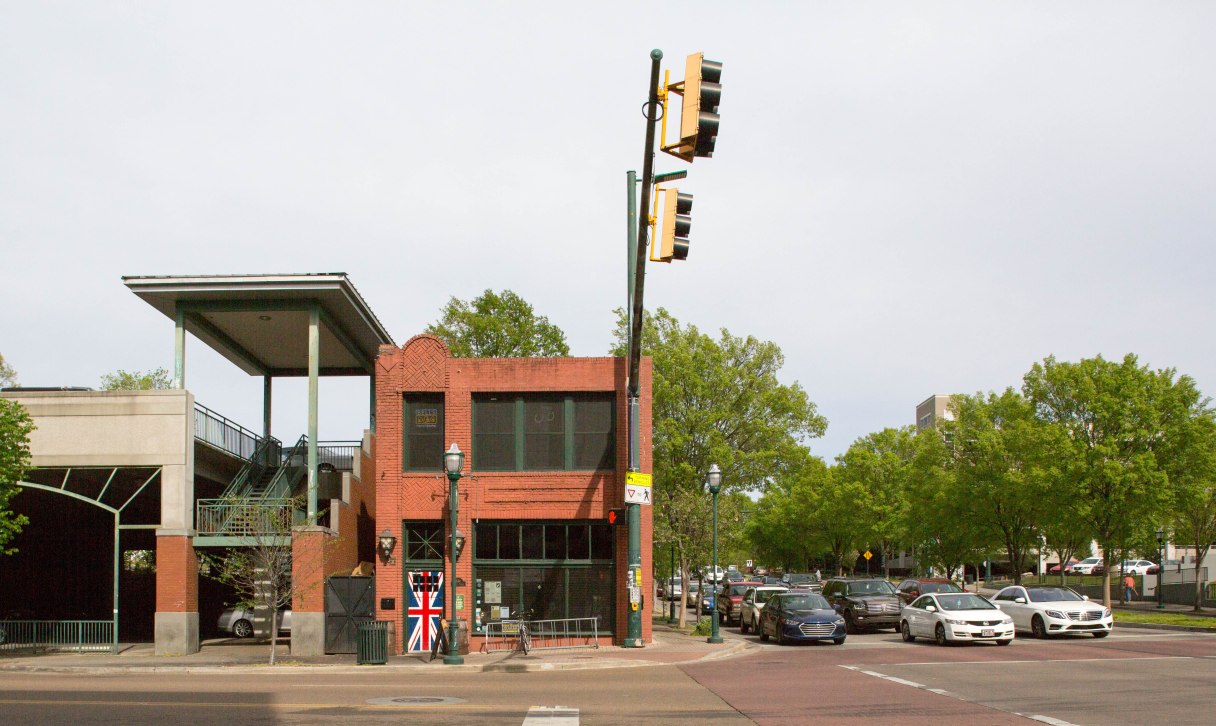
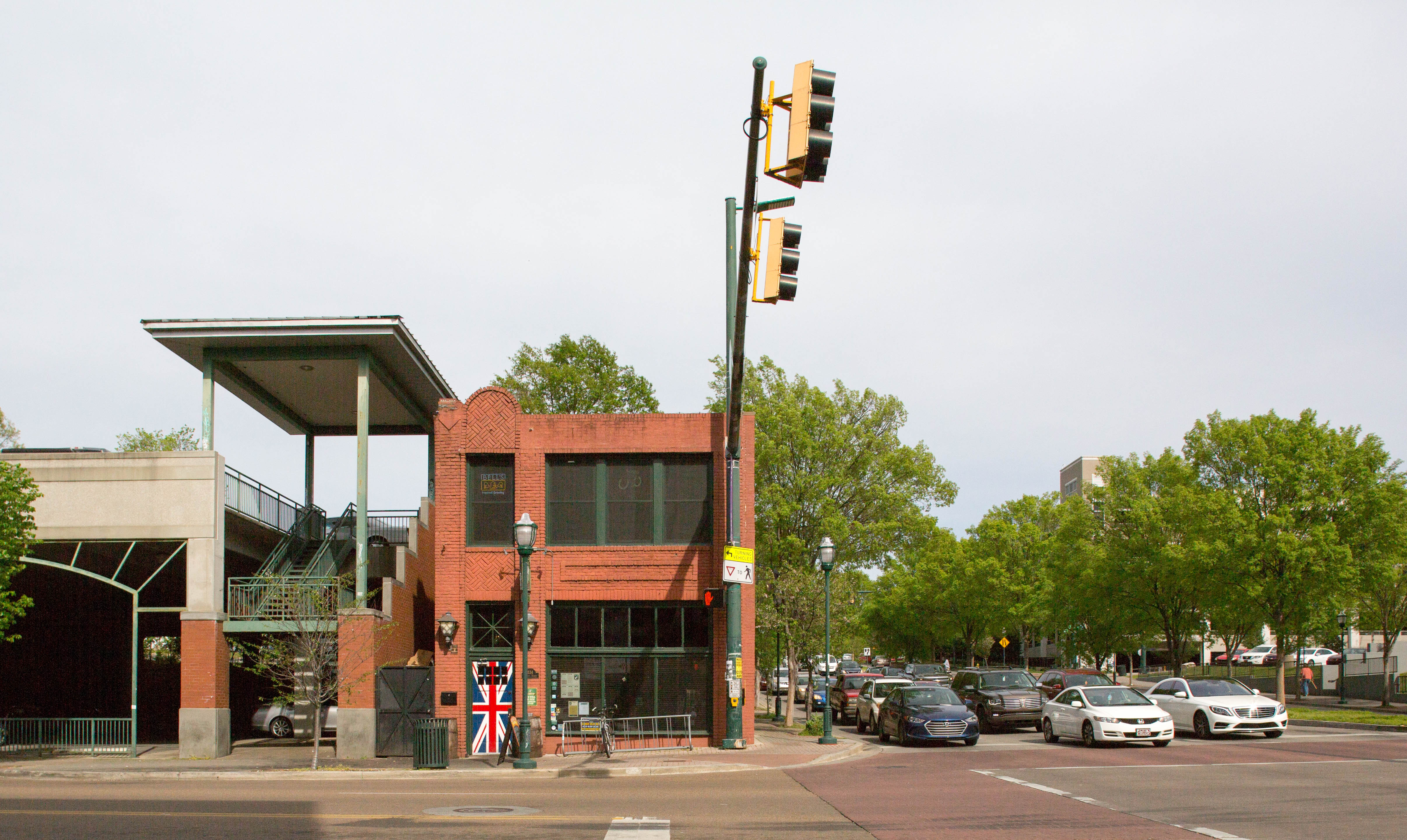
On March 28, customers dined at the Cheeburger Cheeburger restaurant in the heart of Chattanooga’s downtown tourist district near the Tennessee Aquarium.
The next day, the front of the brick building collapsed in a whoosh (fortunately, with no one inside, since the restaurant’s owners had closed due to concerns about the building).
And now, the 141-year-old former mill at 138 Market St. is only a memory, since the city had it torn down as a hazard.
The Cheeburger Cheeburger building’s demise shows the fragility of some historic buildings in Chattanooga.
Properties in peril
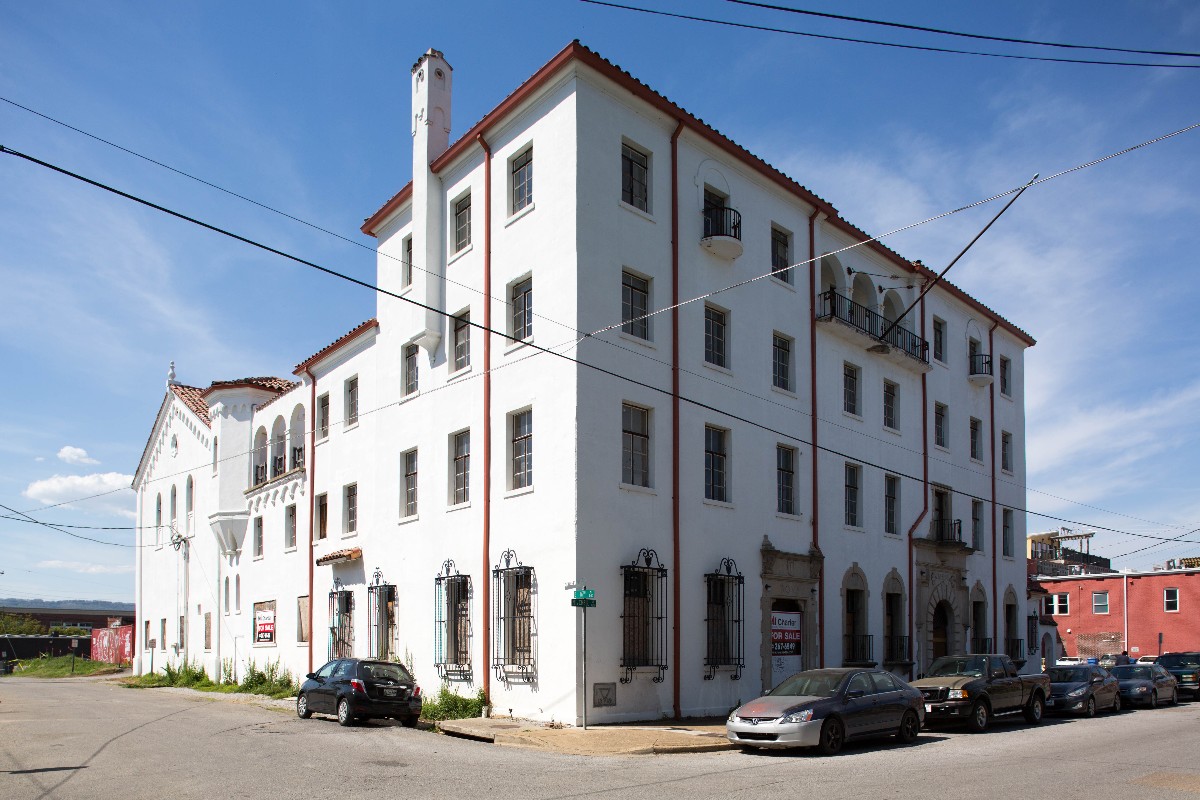
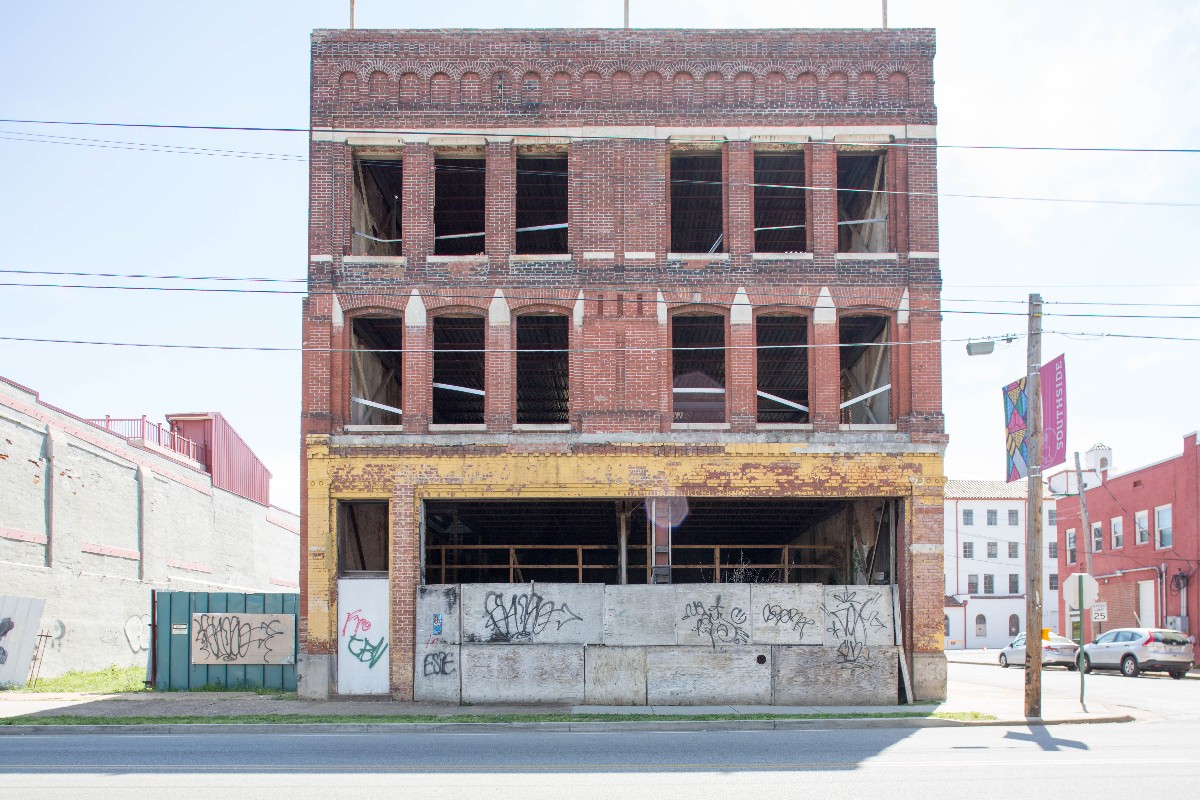
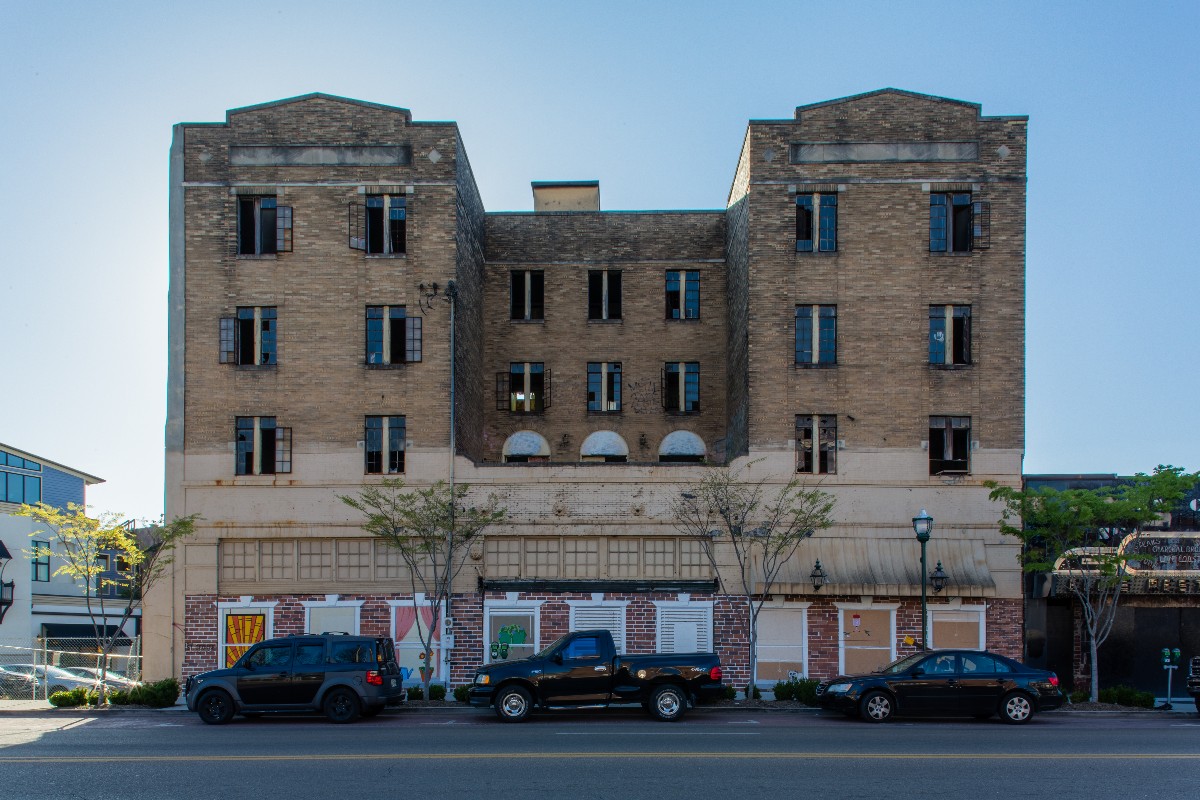
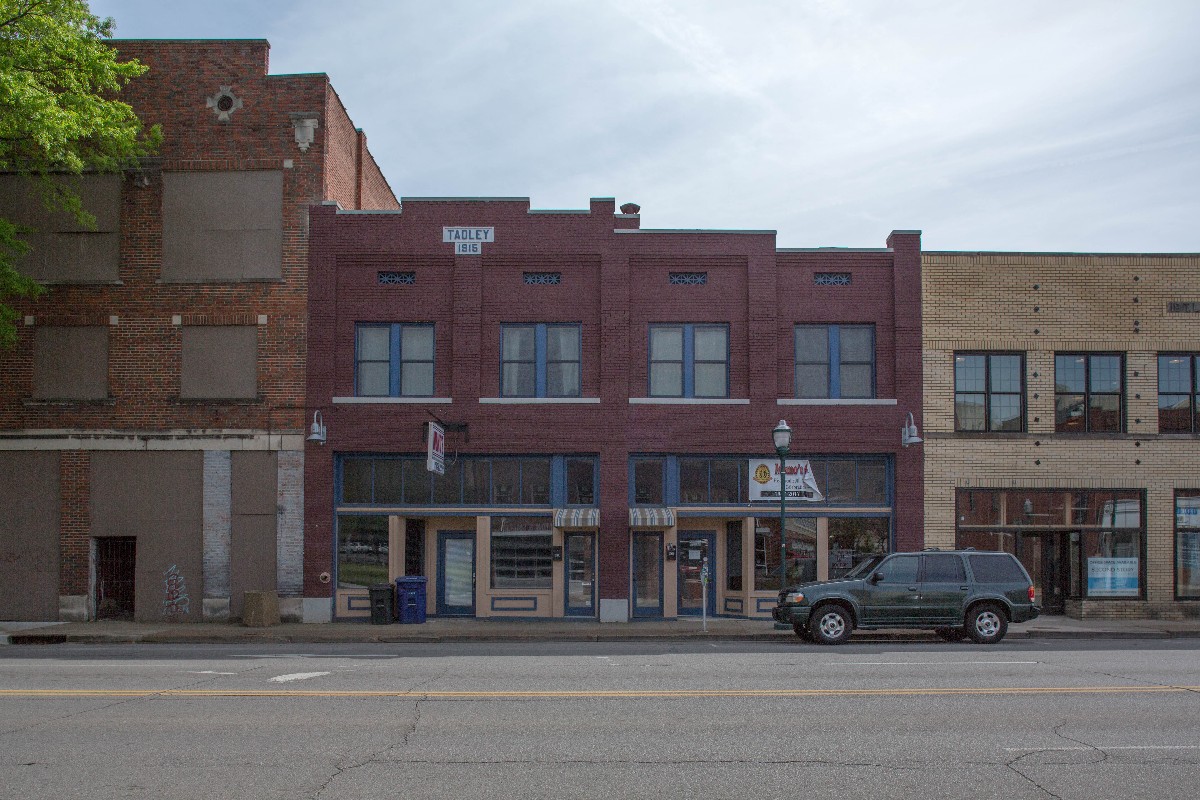
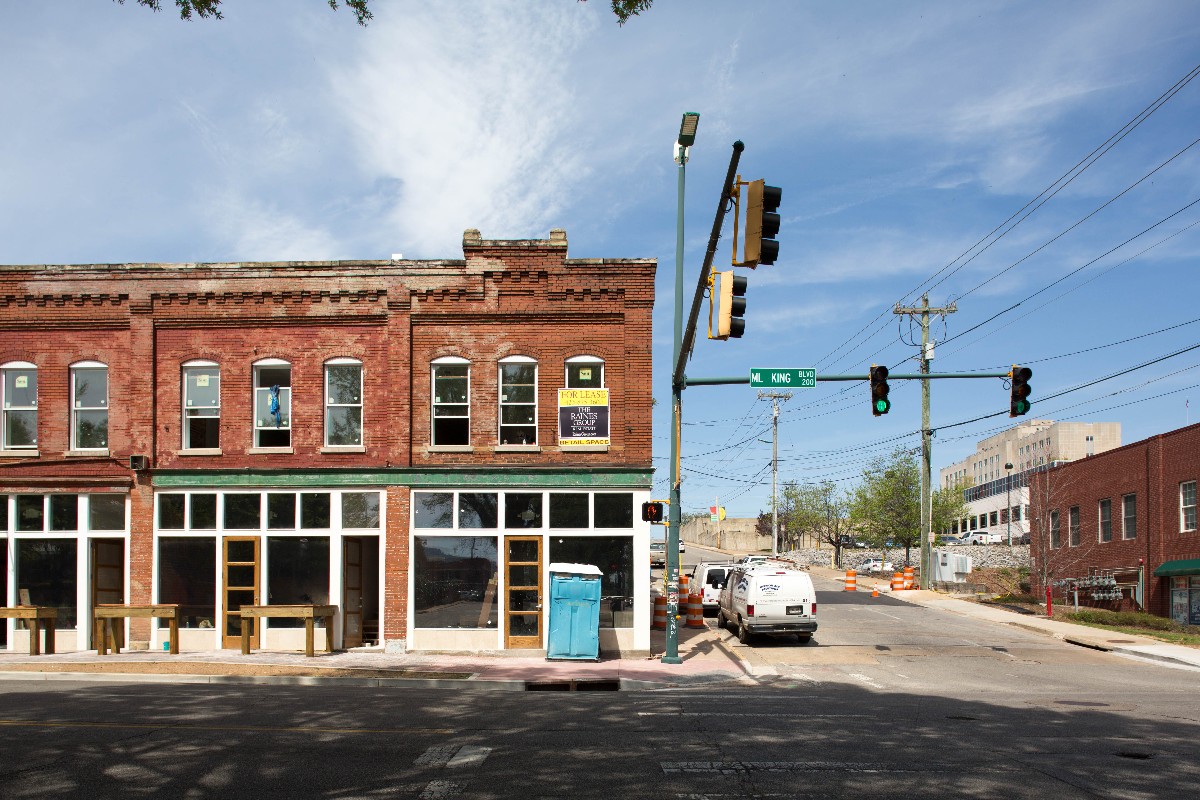
› Ross Meehan Foundry warehouse (1892) next to Chattanooga Market. Its roof recently collapsed.› St. George Hotel (1924) 1349 Market St. Originally Glen Hotel, the city’s first fireproof hotel.› Ellis Restaurant (1930) 1415 Market St. › Levin Brothers (1900) 100 E. Main St.› Tadley Building (1915) corner of M.L. King Boulevard and Douglas Street.
But Cornerstones Inc., a Chattanooga nonprofit group that aims to preserve the city’s architectural history, hopes a list of endangered Chattanooga buildings it just released helps prevent future losses.
“It’s a shame to lose a building like that,” said Cornerstones board member Ben Pitts. “I guess the upside would be increased awareness.”
Cornerstones’ list is broken down into different categories including “Properties in Peril,” or buildings that have the most deterioration, and “Endangered Properties,” or those that are in stable condition – but still not in use.
Cornerstones has an all-carrot, no-stick approach to historic preservation. The group does not sue property owners, nor do its members chain themselves to about-to-be-demolished buildings or lie down in front of bulldozers.
Instead, Cornerstones works with building owners and – despite having limited resources – will pick up the tab for some things, such as doing engineering studies of buildings that are in bad shape.
“We can help figure out how to get things done. We’ve got a couple architects on our board,” said Pitts, who is chairman of the committee that works to save properties in peril. “We’ve got some resources to offer.”
Tax credits, easements offered
Cornerstones paid for a structural study of the historic St. George Hotel on Market Street across from the landmark Choo Choo Hotel, said Cornerstones’ President Bob McNutt. The old hotel and the former Ellis Restaurant, known for its neon sign of jumping frogs, both made the Properties in Peril list.
Endangered properties
› Brown’s Tavern (1803) in Lookout Valley, one of the area’s oldest buildings.› Engel Stadium (1924) 1130 E. Third St., former home to the Chattanooga Lookouts minor league baseball team.› Jazzy Furniture Building (1890) corner of Sixth and Broad streets next to Regions Bank.› Burchay Building (1893) 817 Market St.› Industrial YMCA (1924) 517 Mitchell St.
Cornerstones supports the St. George Hotel owner’s plan to preserve the historic facade while building a new boutique hotel.
“The front half of the building, which is still standing, is concrete,” McNutt said. “If you can build a new building onto that, that’s kind of what we’d like to see.”
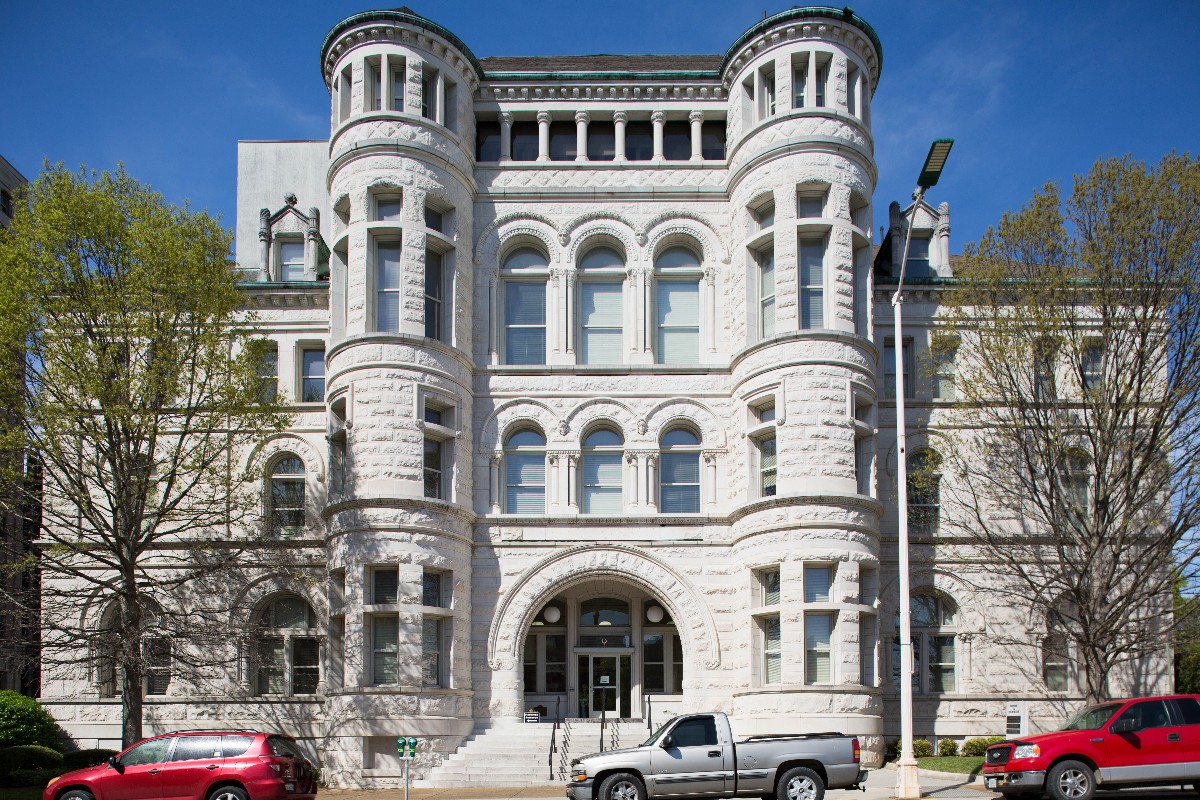
Another step that Cornerstones can take to help preserve a building’s historic facade is to put an easement on it, so whoever buys the building has to keep the historic look. An example of that is the Customs House, now used as bankruptcy court, on 11th Street next to City Hall.
Also on Cornerstones’ Properties in Peril list is an old, brick warehouse that’s roof recently caved. The brick warehouse is part of the former Ross Mehan Foundry complex and is next to First Tennessee Pavilion, home to Chattanooga Market, a popular farmer’s market held on Sundays when the weather’s warm.
“The walls seem OK, but the roof truss system is beginning to collapse,” McNutt said.
Chattanooga, once known as the “Dynamo of Dixie,” has an industrial heritage that he thinks is worth preserving. McNutt enjoys walking along the recently extended Riverwalk and looking at the U.S. Pipe and Wheland Foundry complex near Interstate 24 at the western entrance to Chattanooga.
Historic cemeteries
› Citizen’s Cemetery (1830s) 750 E. Fifth St. Burials predate the Civil War. Confederate soldiers are buried there.
Those places are all just to me hauntingly beautiful, that industrial past that we have,” he said. “Preserving these symbols of the past are important because it’s who we are.”
Cornerstones has teamed up with interior design professor Andy Smith at the University of Tennessee at Chattanooga, Pitts said, who can help property owners get federal tax credits for historic preservation.
“‘Those are game-changers,” Pitt said. “They can get up to 20 percent of what they invest in the property as a tax credit.”
“If you’ve got a $1 of tax liability to the IRS and you’ve got $1 credit, then you don’t have to pay them anything,” Pitts said. “If a person buys an old building and wants to restore it … the federal government wants to incentivize them to do that.”
Saved Urban Stack’s building
Cornerstones will even take ownership of property – but only briefly until a permanent owner can be found who will preserve the property’s historic character.
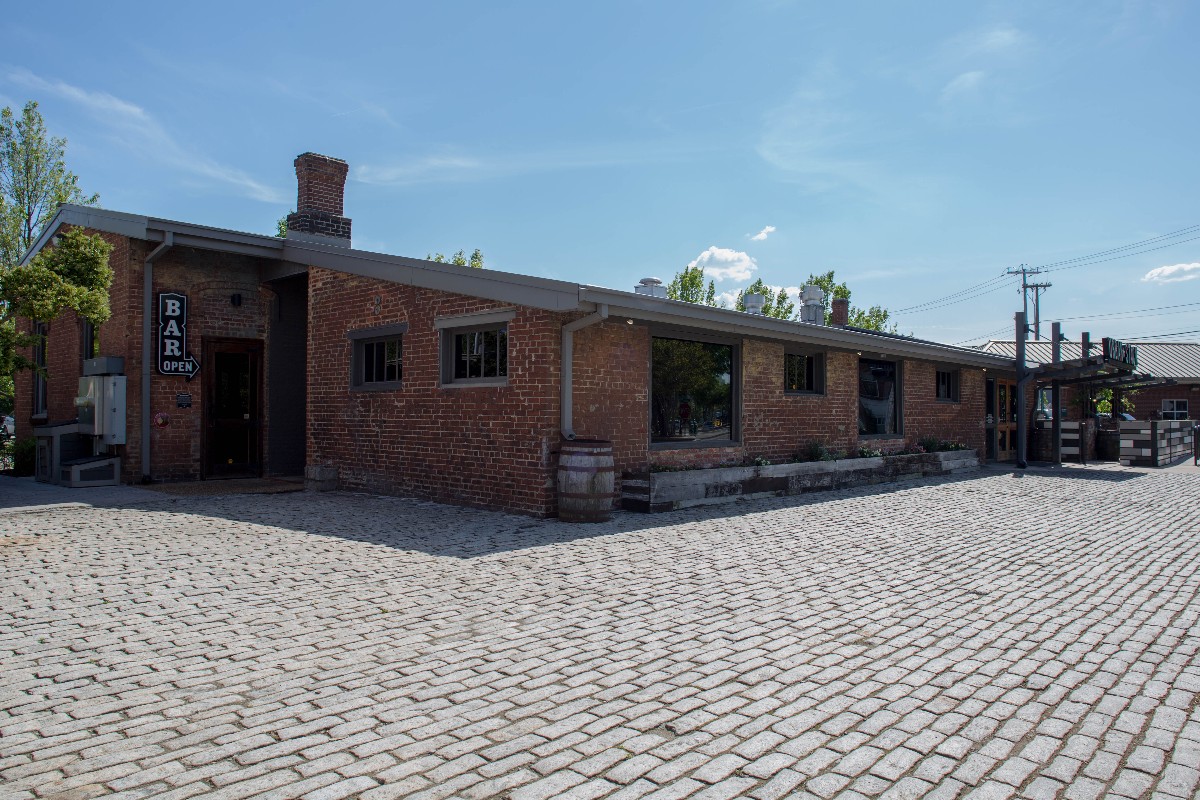
One example of that was the former railroad baggage building on West 13th Street, now home to Urban Stack, an upscale tavern that specializes in burgers and bourbon.
Historic schools
› Chattanooga School for the Arts and Sciences (1920) 865 E. Third St.› Brainerd Junior High (1930) 4201 Cherryton Drive. Designed by Reuben Harrison Hunt, Colonial and Georgian influences.› Highland Park Elementary (1920) 1100 S. Highland Park Ave.
“We got that from the city and put out some requests for proposals for people to buy it from us,” McNutt said. “Cornerstones owned it very, very briefly so we could find somebody to renovate it.”
Cornerstones’ funding includes Wine Over Water, an annual wine-tasting fundraiser held on the Walnut Street pedestrian bridge downtown.
“We take the money we make off Wine Over Water and put that toward preservation,” McNutt said.
Cornerstones plans to make the release of its endangered properties list an annual event to help raise awareness of Chattanooga’s historic architectural treasures. Also on the list was an historic cemetery and a number of school buildings.
“Things can be saved if the owners want to,” McNutt said. “We try to do it through persuasion and education and to help with kind of the factual condition of the building.”
“It’s real easy to tear things down quickly,” he said. “Sometimes the preservation is not much more expensive; you have to look at it with the right kind of eyes.”
Contact staff writer Tim Omarzu at tomarzu@timesfreepress.com or www.facebook.com/MeetsForBusiness or on Twitter @meetforbusiness or 423-757-6651.