
Wednesday, November 4, 2026Nov 4

This story is free to read.

Do charter schools serve special needs kids? The jury is out

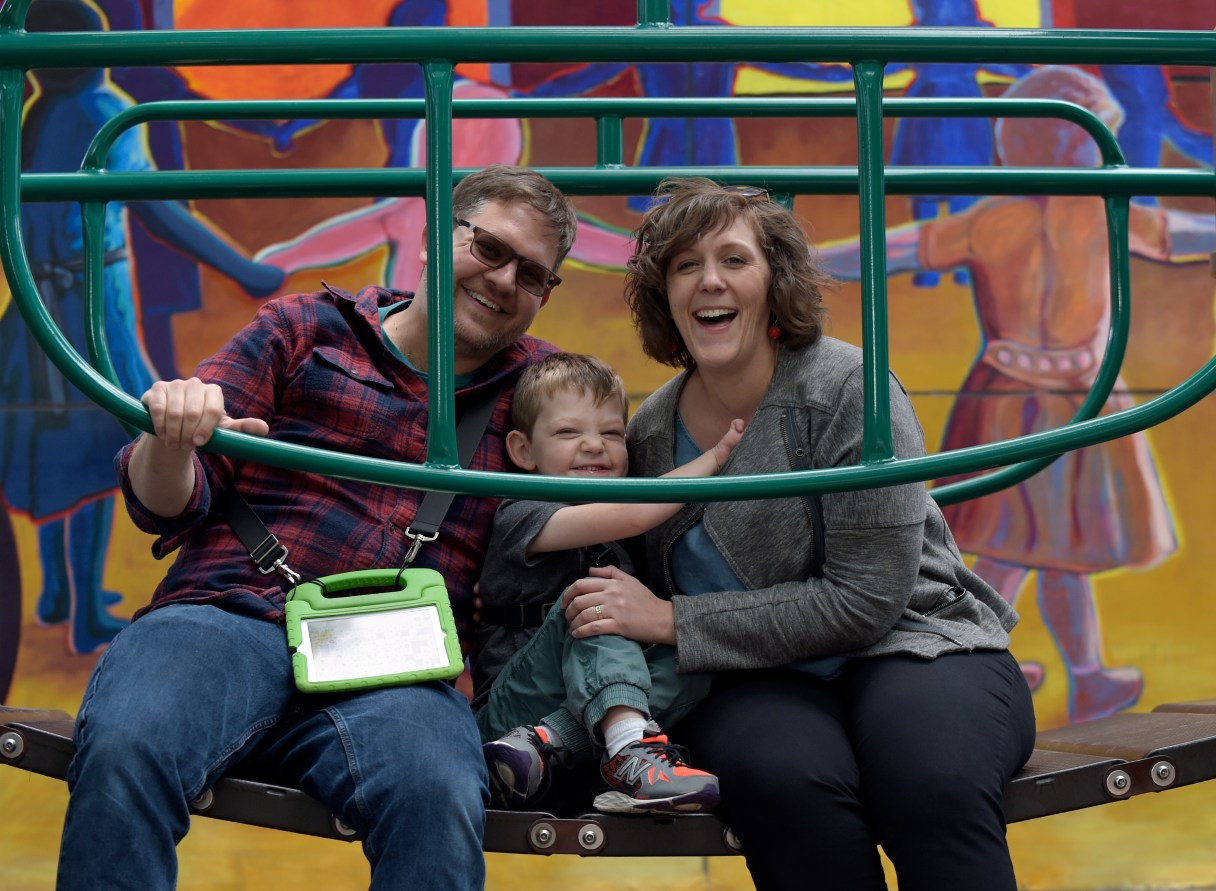
In this photo taken May 8, 2017, David Rosenblatt, left, 36, a freelance labor researcher, his wife Karen Hoerst, right, 35, a union organizer, and their son Nico, 5, play at Westminster Park in Washington. Nico Rosenblatt cannot speak and struggles to learn because of a rare genetic condition, yet thrives when surrounded by other children in a regular classroom, according to his parents. However, they say neither the public school system nor a charter school in the nation’s capital could provide an inclusive environment for him.  (AP Photo/Susan Walsh)
In this photo taken May 8, 2017, David Rosenblatt, left, 36, a freelance labor researcher, his wife Karen Hoerst, right, 35, a union organizer, and their son Nico, 5, play at Westminster Park in Washington. Nico Rosenblatt cannot speak and struggles to learn because of a rare genetic condition, yet thrives when surrounded by other children in a regular classroom, according to his parents. However, they say neither the public school system nor a charter school in the nation’s capital could provide an inclusive environment for him. (AP Photo/Susan Walsh) In this photo taken May 8, 2017, David Rosenblatt, left, 36, a freelance labor researcher, his wife Karen Hoerst, right, 35, a union organizer, and their son Nico, 5, play at Westminster Park in Washington. Nico Rosenblatt cannot speak and struggles to learn because of a rare genetic condition, yet thrives when surrounded by other children in a regular classroom, according to his parents. However, they say neither the public school system nor a charter school in the nation’s capital could provide an inclusive environment for him. (AP Photo/Susan Walsh)

WASHINGTON (AP) – The Trump administration has been promoting school choice, saying it can also benefit special needs students.

But charter schools, funded with public money, often are criticized for keeping out students with disabilities. A 2012 federal study, the most recent data available, said students with disabilities accounted for 11 percent of those in traditional public schools and 8 percent in charter schools.

Researchers disagree about the reasons why. Some say it’s a result of charters being less likely to classify students as having special needs and families of special needs kids being less likely to apply in the first place. Others say charter schools tend to prefer students who are more likely to succeed.