
Monday, November 16, 2026Nov 16

Health care is key issue as Montana fills US House seat

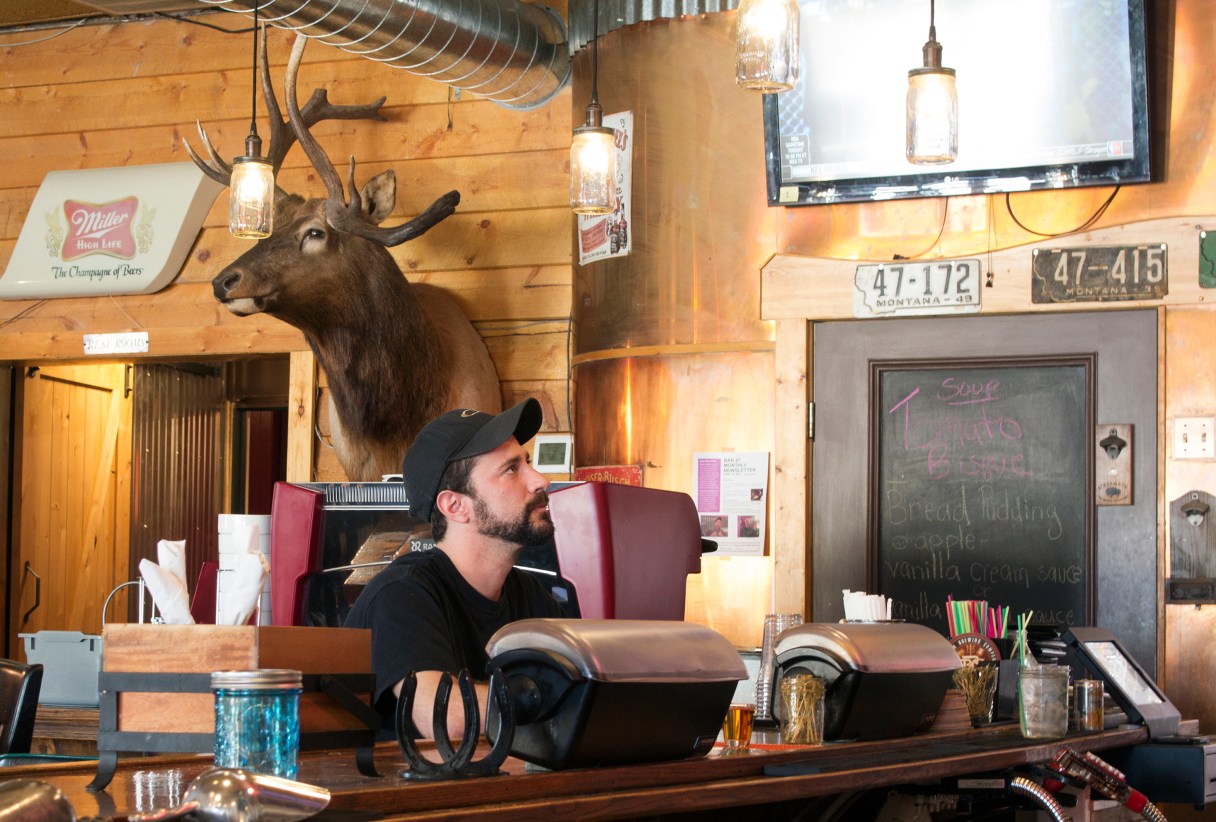
In this Thursday, May 18, 2017 photo, Adam Maleski waits to begin his shift in the kitchen a tavern in White Sulfur Springs, Mont. Maleski hasn't decided whether he will cast a ballot in the May 25 special election to fill Montana's vacant U.S. House seat. He has no health insurance, he said, because he can't afford it. He is still paying off thousands in dollars in medical bills after he rolled his car nearly two years ago. He was not insured at the time of the accident. (AP Photo/Bobby Caina Calvan)

WHITE SULFUR SPRINGS, Mont. (AP) – Meagher County, Montana, may not be much different than the rest of the rural enclaves across America that voted overwhelmingly for Donald Trump last fall.

The median annual household income is $38,000 – about 25 percent below the national average. Nearly 20 percent of its 1,800 residents live in poverty. And more than one in four people don’t have health insurance.

Yet few people in this conservative bastion ringed by prairies, meandering rivers and snow-frosted peaks are publicly complaining about Trump’s push to repeal the Affordable Care Act – an issue that is front and center in a special election Thursday to fill Montana’s only U.S. House seat.

“I think there are some aspects of it that are good, like keeping young people insured and coverage for pre-existing conditions, but some people expect other people to take care of them,” said Barry Hedrick, who owns 2 Basset Brewery and has no qualms about seeing the current law repealed.

“This was going to be a train wreck like every government program that’s come along,” he said.