

Friday, November 13, 2026Nov 13

Bin Laden files back up U.S. claims on Iran ties to al-Qaida

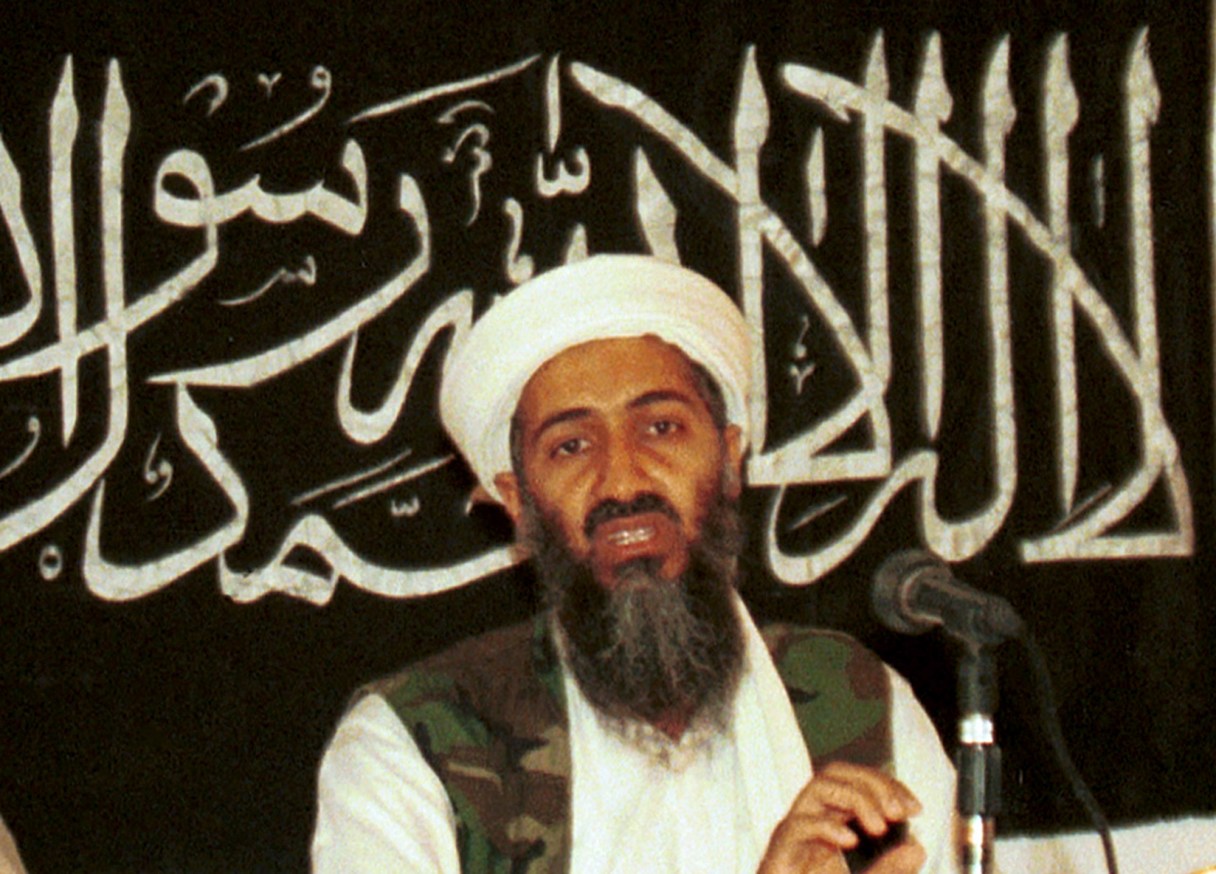
In this 1998 file photo made available on March 19, 2004, Osama bin Laden is seen at a news conference in Khost, Afghanistan. The CIA's release of documents seized during the 2011 raid that killed al-Qaida leader Osama bin Laden has again raised questions about Iran's support of the extremist network leading up to the Sept. 11 terror attacks. U.S. intelligence officials and prosecutors have long said Iran formed loose ties to the terror organization from 1991 on, something noted in a 19-page report in Arabic included in the release of some 47,000 other documents by the CIA. Iran always has denied any links. (AP Photo/Mazhar Ali Khan, File)
In this 1998 file photo made available on March 19, 2004, Osama bin Laden is seen at a news conference in Khost, Afghanistan. The CIA's release of documents seized during the 2011 raid that killed al-Qaida leader Osama bin Laden has again raised questions about Iran's support of the extremist network leading up to the Sept. 11 terror attacks. U.S. intelligence officials and prosecutors have long said Iran formed loose ties to the terror organization from 1991 on, something noted in a 19-page report in Arabic included in the release of some 47,000 other documents by the CIA. Iran always has denied any links. (AP Photo/Mazhar Ali Khan, File) In this 1998 file photo made available on March 19, 2004, Osama bin Laden is seen at a news conference in Khost, Afghanistan. The CIA's release of documents seized during the 2011 raid that killed al-Qaida leader Osama bin Laden has again raised questions about Iran's support of the extremist network leading up to the Sept. 11 terror attacks. U.S. intelligence officials and prosecutors have long said Iran formed loose ties to the terror organization from 1991 on, something noted in a 19-page report in Arabic included in the release of some 47,000 other documents by the CIA. Iran always has denied any links. (AP Photo/Mazhar Ali Khan, File)
photo In this image from video released by the CIA, Hamza bin Laden is seen as an adult at his wedding. The never-before-seen video of Osama bin Laden’s son and potential successor was released Nov. 1, 2017, by the CIA in a trove of material recovered during the May 2011 raid that killed the al-Qaida leader at his compound in Pakistan. The one hourlong video shows Hamza bin Laden, sporting a trimmed mustache but no beard, at his wedding. He is sitting on a carpet with other men. (CIA via AP)

DUBAI, United Arab Emirates (AP) – The CIA’s release of documents seized during the 2011 raid that killed al-Qaida leader Osama bin Laden appears to bolster U.S. claims that Iran supported the extremist network leading up to the Sept. 11 terror attacks.

U.S. intelligence officials and prosecutors have long said Iran formed loose ties to the terror organization starting in 1991, something noted in a 19-page al-Qaida report in Arabic that was included in the release of some 47,000 other documents by the CIA.

For its part, Iran has long denied any involvement with al-Qaida, and its foreign minister disparaged the documents in a tweet late Thursday: “A record low for the reach of petrodollars: CIA & FDD fake news w/ selective AlQaeda docs re: Iran can’t whitewash role of US allies in 9/11.”

The report included in the CIA document dump shows how bin Laden, a Sunni extremist from Iran’s archrival Saudi Arabia, could look across the Muslim world’s religious divide to partner with the Mideast’s Shiite power to target his ultimate enemy, the United States.

“Anyone who wants to strike America, Iran is ready to support him and help him with their frank and clear rhetoric,” the report reads.