
WASHINGTON (AP) – Americans seeking to visit Cuba must navigate a complicated maze of travel, commerce and financial restrictions unveiled Wednesday by the Trump administration, part of a new policy to further isolate the island’s communist government.
Now off-limits to U.S. citizens are dozens of Cuban hotels, shops, tour companies and other businesses included on a lengthy American blacklist of entities that have links to Cuba’s military, intelligence or security services. And most Americans will once again be required to travel as part of heavily regulated, organized tour groups run by U.S. companies, rather than voyaging to Cuba on their own.
The stricter rules mark a return to the tougher U.S. stance toward Cuba that existed before former President Barack Obama and Cuban President Raul Castro restored diplomatic relations in 2015. They come as President Donald Trump tries to show he’s taking action to prevent U.S. dollars from helping prop up the Cuban government.
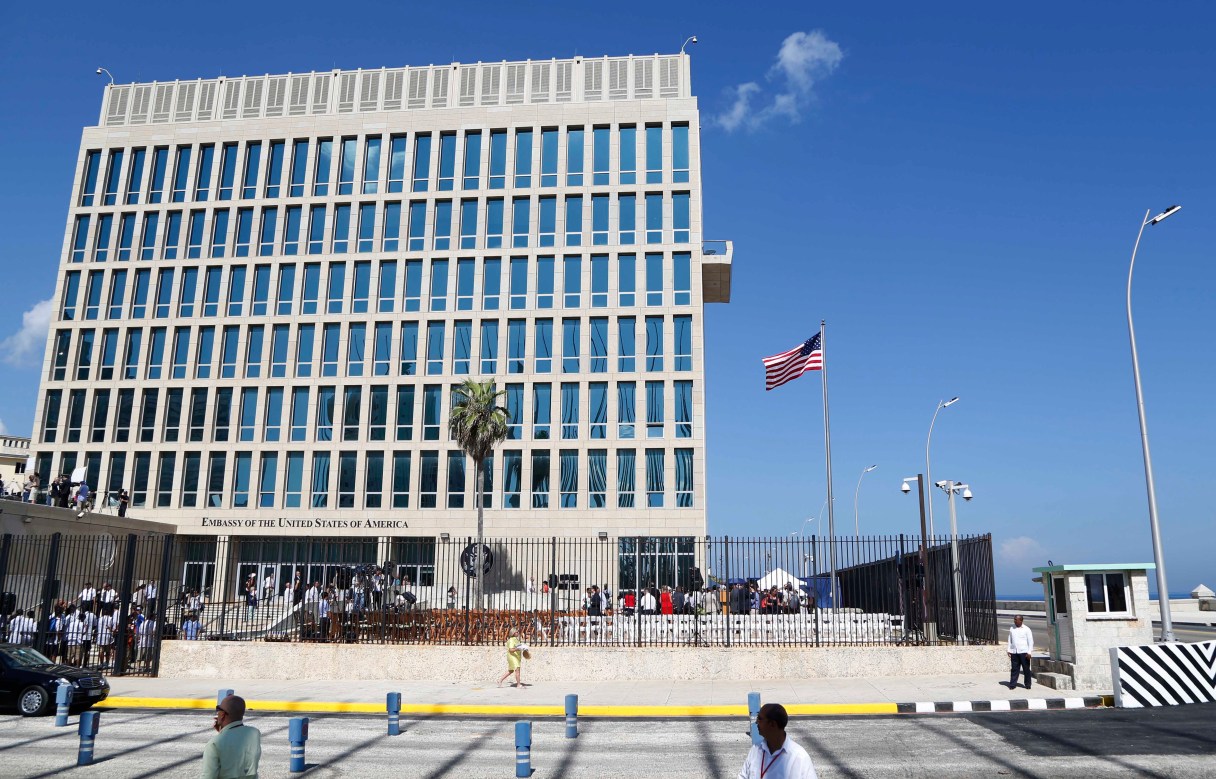
Still, the policy is only a partial rollback of Obama’s changes. Cruise ship visits and direct commercial flights between the countries will still be permitted. Embassies in Washington and Havana stay open.
The rules are designed to steer U.S. economic activity away from Cuba’s military, intelligence and security services, which dominate much of the economy through state-controlled corporations. The goal is to encourage financial support for Cuba’s growing private sector, said senior Trump administration officials, who briefed reporters on a conference call on condition they not be quoted by name.