
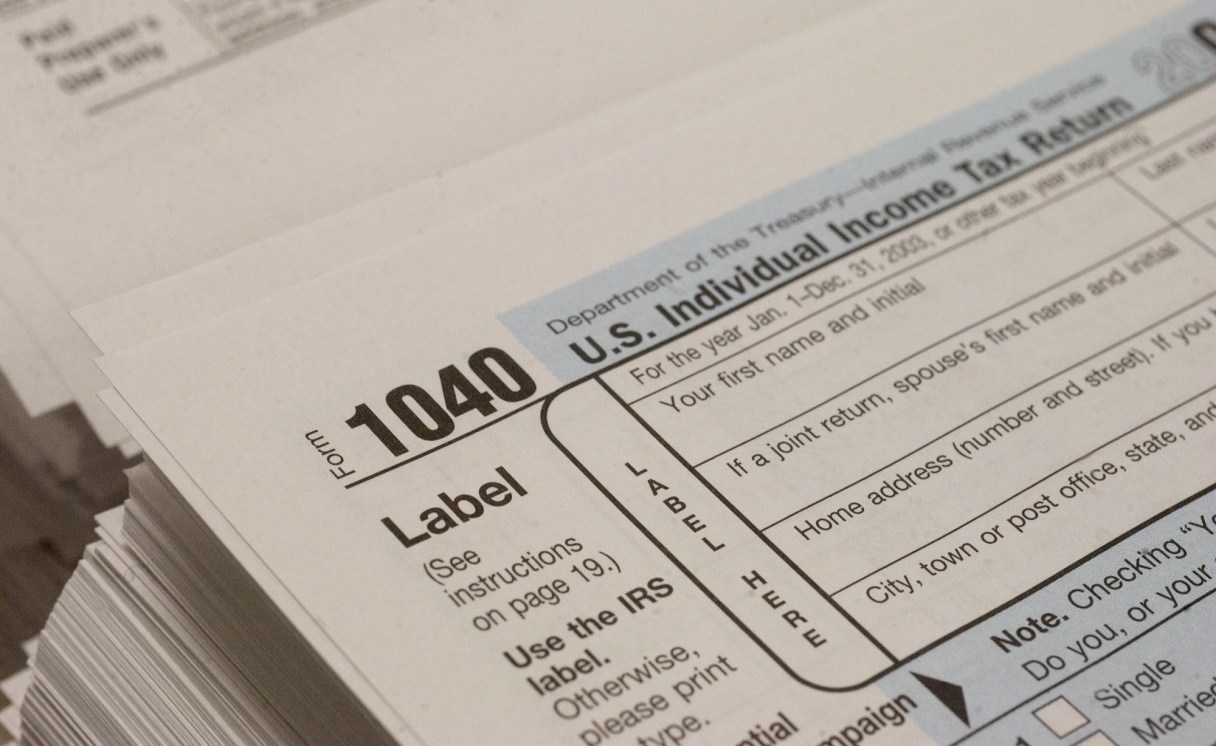
If you own open-end mutual fund shares outside your IRA or other tax-deferred accounts, be on the lookout for the tax man. It’s that time of year again, when funds make required distributions of realized capital gains to shareholders, who must in turn report these gains to Uncle Sam. This annual rite is often misunderstood, but is an important consideration in managing your investment portfolio.
When you buy an individual stock, your ultimate capital gain or loss is determined at the time of sale. This allows you to control the timing of any tax bill that may arise from the appreciation in your investment. Mutual funds are treated somewhat differently owing to the fact they consist of multiple investments, some of which may be sold throughout the year. If the netting of all sales during the year results in a capital gain, the bulk of that gain must be paid out to fund shareholders, even if the holders do not sell any of their shares. This can sometimes come as an unpleasant surprise.
Mutual fund companies generally make every effort to minimize tax liability to their investors. But there are times during which the funds must sell holdings to raise cash, especially if there are significant redemption requests from holders wanting some or all of their money. The fund manager will often be forced to sell positions with embedded capital gains in order to raise cash, and it is these realized gains that must be passed along to shareholders.
 Christopher Hopkins
Exchange traded funds or ETFs have arisen as a significant challenger to traditional mutual funds, particularly in the passive index space, in part because of their relative tax efficiency. Owing to the difference in how ETF shares are constructed, index ETFs rarely pay out capital gains distributions, allowing investors to better control the timing of their tax obligations much like our previous example of individual stock holdings.
Capital gain distributions also come in two flavors. Long-term gains arise from positions held by the fund for more than one year. These distributions are taxed at the same long-term gain rates as for individual stocks, currently 15 percent for most taxpayers. Short-term gains, which are less common, result from sales of investments held less than a year, and are generally subject to ordinary income tax rates.